Before you step onto a Hawaii snorkel boat, your sunscreen choice matters more than you might think. You’ll want a non-nano mineral lotion or stick with zinc oxide or titanium dioxide, not the usual spray that drifts in the wind and lands everywhere. Tour crews often care because clear water, bright coral, and sea turtles don’t mix well with certain chemicals. So what’s actually allowed, and what should you toss in your beach bag first?
Key Takeaways
- Choose non-nano mineral sunscreen with zinc oxide or titanium dioxide as the only active ingredients, preferably in a water-resistant lotion or stick.
- Avoid oxybenzone and octinoxate, which are banned from sale in Hawaii, and skip octocrylene, homosalate, parabens, nanoparticles, and microplastics when possible.
- Ignore “reef-safe” front-label claims and check the active ingredient list on the exact bottle before buying or using it.
- For ocean tours, pick an opaque lotion rated water-resistant for 40 or 80 minutes instead of sprays, which can drift and wash off faster.
- Apply about 15 minutes before boarding, use enough for full coverage, and reapply after the water-resistance interval, toweling, sweating, or gear rubbing.
What Sunscreen Is Allowed in Hawaii?
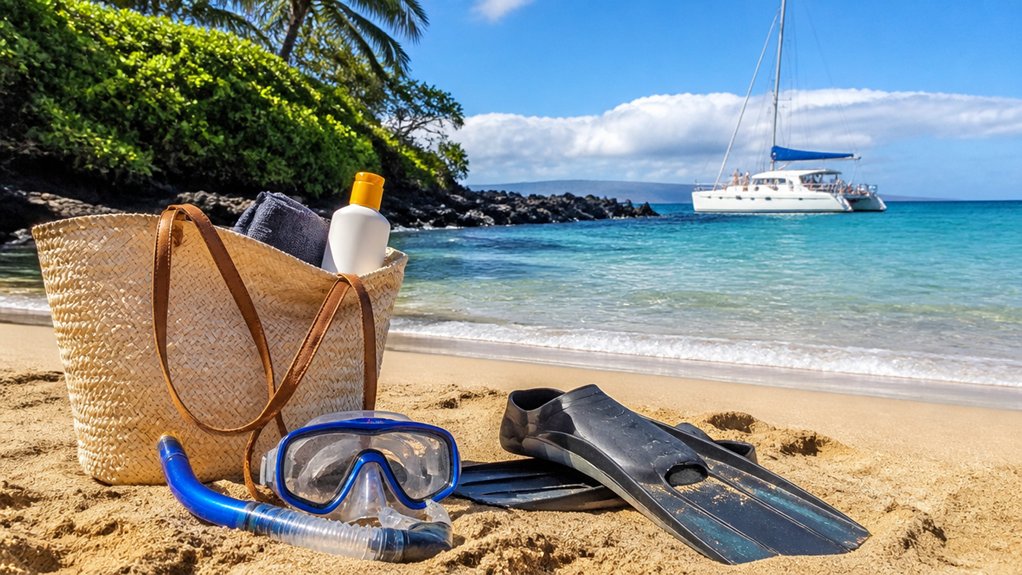
If you’re packing for Hawaii, start with the label on your sunscreen bottle. You’ll want reef safe sunscreen that skips oxybenzone and octinoxate and leans mineral instead. On store shelves across the islands, you can usually find compliant options from big brands at grocery stores, Costco, Walmart, and even convenience shops.
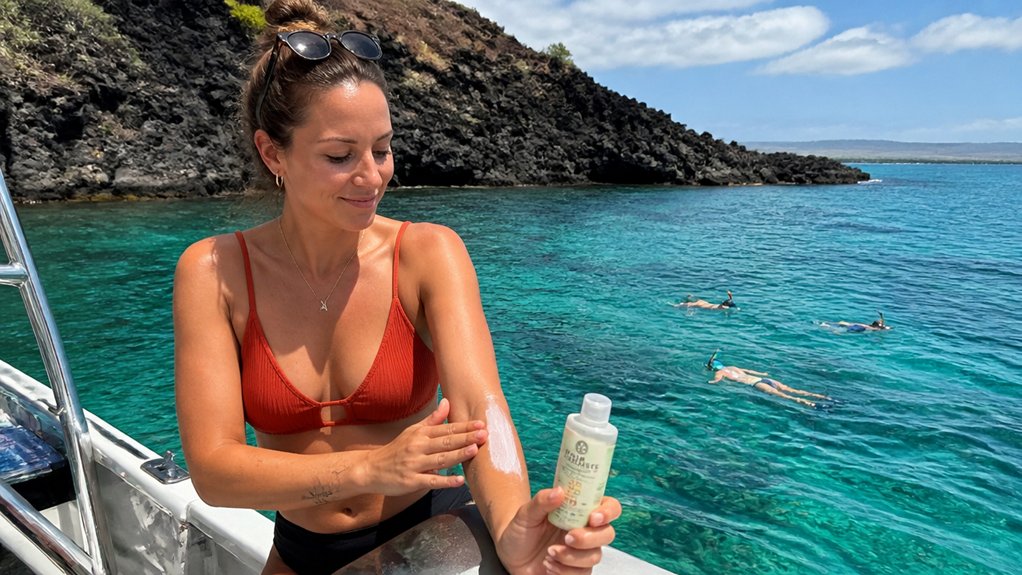
Your easiest pick is a lotion with non-nano zinc oxide or titanium dioxide. Zinc oxide is especially common for ocean days because many tour operators and parks prefer mineral formulas. Hawaii’s reefs also provide coastal protection and support local communities, which is one reason reef-friendly choices matter. Choose water-resistant coverage with a 40- or 80-minute rating, and skip sprays when possible. Apply it before you hear the boat engine rumble, then reapply as directed. Better yet, pair sunscreen with a rash guard or UPF shirt. Your shoulders will thank you later.
What Does Hawaii’s Sunscreen Law Ban?
Here’s the rule behind that bottle check: Hawaii’s sunscreen law bans the sale, offer for sale, and distribution of sunscreens made with oxybenzone or octinoxate across the entire state, not just at beaches or in marine parks. That means shops, tour desks, and hotel stores on every island can’t stock those formulas after January 1, 2021. You won’t face a crime for wearing an old bottle on the sand, but bringing one for sale is another story. Some ocean tour operators set rules before you board. If you’re packing reef-safe sunscreen, remember the law targets oxybenzone and octinoxate in commerce statewide. It doesn’t stop at the shoreline. Think of it as a supply-chain filter, nudging brands to reformulate before your flip-flops hit the dock. Hawai‘i’s marine waters also support protected sea turtles like the green sea turtle, the species most commonly seen on Hawaiian reefs and beaches.
What Counts as Reef-Safe Sunscreen?
When you see “reef-safe” in Hawaii, think practical, not perfect: you’re looking for sunscreen without oxybenzone or octinoxate, the two ingredients banned from sale statewide. You’ll usually do best with a mineral formula that uses non-nano zinc oxide or titanium dioxide, and it helps to spot “non-nano” and “paraben-free” on the label before you head for the boat. Since “reef-safe” isn’t a tightly regulated claim, you can’t just trust the sunny front label, so flip the bottle over and check the active ingredients like a traveler who knows the water’s worth it. If heavy rain has caused runoff or cloudy surf, pay attention to Brown Water Advisory notices before your tour, since they warn of potentially polluted coastal water.
Legal Reef-Safe Definition
Although the phrase sounds official, “reef-safe” doesn’t have one universal legal definition, so you can’t rely on the front label alone. In Hawaii, the practical standard is simple: if a sunscreen contains oxybenzone and octinoxate, it doesn’t qualify. Since statewide sales of those chemicals were banned in 2021, you should check the active ingredient box yourself.
That matters on a bright dock or windy catamaran deck, where labels like “reef‑friendly” and “biodegradable” can sound convincing but aren’t regulated. To make a smarter pick, read past the marketing. Look for reef‑safe formulas with non‑nano zinc oxide, and verify the ingredient list before you head out. Some tour operators and protected sites also set stricter rules, so checking ahead saves you hassle, time, and a sandy, last-minute sunscreen scramble. If your tour includes swimming or snorkeling, choosing a safer sunscreen should go hand in hand with basic ocean precautions like using lifeguarded beaches whenever possible.
Banned And Preferred Ingredients
Because the label alone won’t tell you much, the real test starts in the ingredient box. In Hawaii, you shouldn’t buy sunscreen with oxybenzone or octinoxate. State law bars their sale, and tour operators usually treat them as a hard no for reef-safe use. Instead, look for mineral filters such as non‑nano zinc oxide or non‑nano titanium dioxide. These formulas often go on a bit chalky, which is actually a useful clue when you’re packing for a bright boat deck and glassy water. You should also skip octocrylene, homosalate, butylparaben, and products with nanoparticles or microplastics. Think simple and solid. If the active ingredients read like a short, mineral-based list, you’re usually on the right beach path for your snorkeling stop at sunrise tomorrow. While you’re checking ingredients, remember that sea turtle etiquette in Hawaii also means giving turtles plenty of space during ocean tours.
Labeling Claims And Caveats
Even if the front label sounds perfect, “reef-safe” doesn’t have a legal meaning you can trust on its own. In Hawaii, the practical rule is simpler: skip oxybenzone and octinoxate. Don’t stop at buzzwords like reef-friendly sunscreen or biodegradable. Flip the bottle and read the active ingredients.
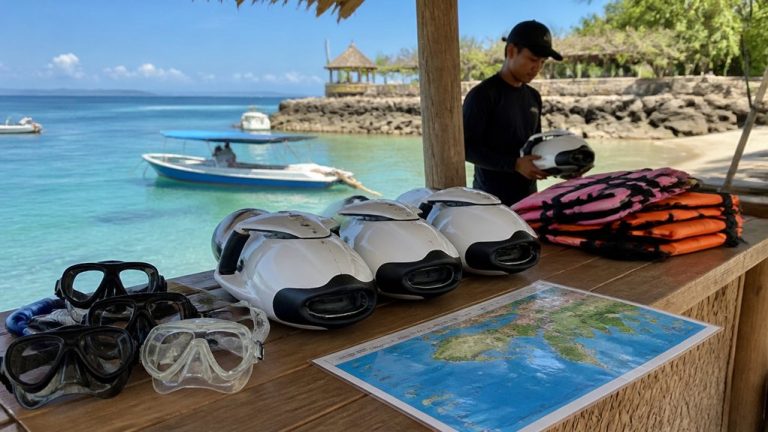
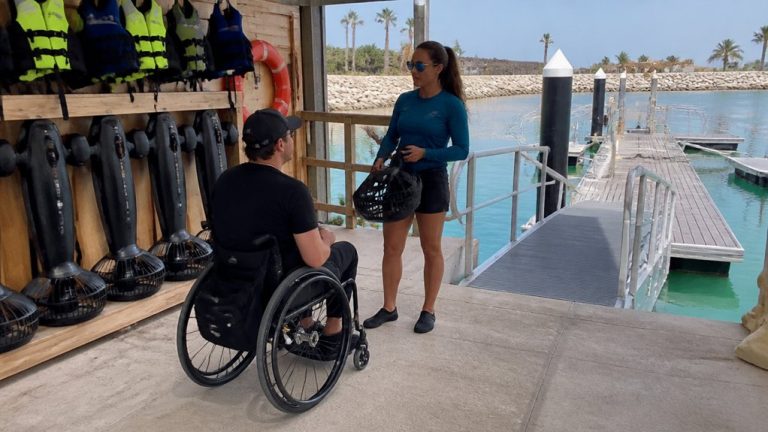
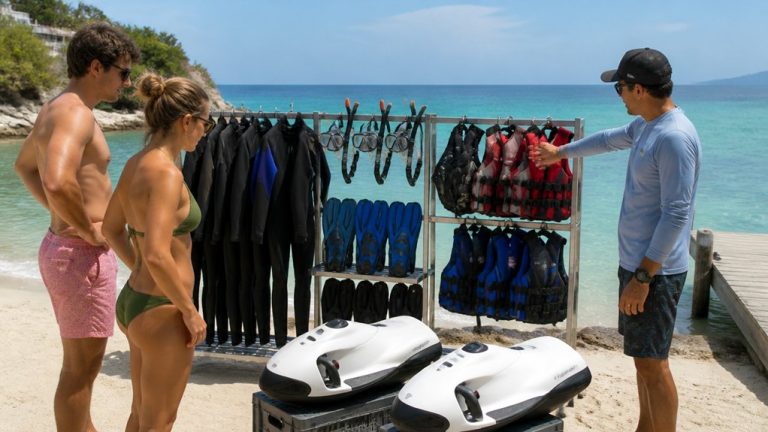
You want mineral coverage with non-nano zinc oxide or titanium dioxide, ideally in a paraben-free lotion that won’t get you turned away at the dock. Big brands now sell Hawaii-compliant versions, but formulas can change by market, so check the exact bottle in Hawaii. Some tours and marine reserves set stricter rules than state law. Pack compliant sunscreen before your ocean day, because nobody wants a surprise sunscreen inspection in flip-flops while waves hiss beside the boat. If you’re packing for a filmed water excursion, a sea scooter tour often means long sun exposure before and after you’re in the water.
Why Do Ocean Tours Prefer Mineral Sunscreen?
When you step onto an ocean tour, mineral sunscreen usually wins for a few practical reasons. Hawaii bans oxybenzone and octinoxate, so crews steer you toward mineral sunscreens that keep the trip legal and simple. They also sit on your skin, which can mean less runoff swirling off in warm salt water where coral already faces enough stress. Many operators prefer reef friendly sunscreen in non-nano, water-resistant lotions. That helps limit tiny particles, cuts down on wash-off during snorkeling, and avoids spray drifting through the wind like a rogue beach cloud. If a protected area or tour has reef-safe rules, you may need to comply or skip the boat. Zinc oxide often fits that easygoing, practical vibe for guides and fellow swimmers. On Hawaii outings, reef etiquette also matters, since tour operators want products and behavior that help protect coral during sea scooter rides and other guided reef visits.
What Ingredients Should You Look For?
When you scan a sunscreen label before an ocean tour, look for non-nano zinc oxide or non-nano titanium dioxide and skip anything with oxybenzone or octinoxate, since Hawaii bans those ingredients. You’ll also want a paraben-free, water-resistant mineral lotion instead of a spray, because it stays on your skin better when the salt air, splash, and sun all team up. And don’t trust a big “reef-safe” badge by itself, because the real story sits in the fine print where ingredients like octocrylene and homosalate can still sneak in. If you’re prone to seasickness tips, applying your mineral sunscreen before boarding can help you avoid fumbling with lotion once the boat starts moving.
Banned Ingredients To Avoid
Before you toss a bottle into your beach bag, scan the ingredient panel for two names Hawaii already bans: oxybenzone and octinoxate. Don’t stop there. You should also skip formulas with octocrylene and homosalate when you can, plus other reef-unfriendly additives.
- Parabens, including butylparaben
- PABA, triclosan, and 4-methylbenzylidene camphor
- Microplastics and spray or mist formats
Ignore splashy front labels. Turn the bottle over and read the active ingredients yourself. If you don’t see zinc oxide or another clue pointing to non‑nano mineral lotions, keep looking. While you’re choosing ocean-friendlier products, remember that Hawaii ocean tours should also follow 100 yards distance rules when viewing humpback whales. That quick label check takes seconds in a hotel room or beach parking lot, and it helps keep Hawaii’s clear coves, tide pools, and coral neighborhoods healthier. Your sunscreen shouldn’t leave a cloudy footprint where fish flash through the shallows.
Mineral Filters To Choose
Now that you know what to avoid, the easier question is what to look for on the label. Choose a mineral sunscreen with non-nano zinc oxide or non-nano titanium dioxide as the only active filters. Those physical blockers sit on your skin, work well in bright Hawaii sun, and fit local reef guidance better than chemical options.
For boat decks, snorkeling stops, and splashy shore breaks, pick a water resistant lotion or stick with a 40 or 80 minute rating. Skip sprays and anything marked nano. An opaque cream is less fussy in the trade winds anyway. Double-check that the ingredient list leaves out oxybenzone and octinoxate, plus extras like octocrylene, homosalate, parabens, and microplastics before you head out for a morning reef tour. If your tour includes wildlife viewing, remember to keep the recommended viewing distances from sea turtles, monk seals, dolphins, and whales.
Misleading Label Claims
Although a bottle may shout “reef-safe” in big beachy letters, that claim doesn’t mean much unless the ingredient panel backs it up. Before you toss one into your beach bag, scan for these clues:
- Only active ingredients: non‑nano zinc oxide or non‑nano titanium dioxide.
- Red flags: oxybenzone, octinoxate, octocrylene, homosalate, parabens, or any nanoparticle claim.
- Format matters: choose a rub-on, water-resistant lotion, not a spray.
Front labels can wink all they want, even on reformulated big brands sold in Hawaii. You still need to verify the panel yourself. If the bottle says reef-safe but skips the ingredient list or hides chemical filters, leave it on the shelf and keep your ocean tour simple. Your ears catch waves, not marketing noise, once you know better. Choosing a rub-on lotion over a spray also supports respectful underwater filming by reducing drift and helping keep your interactions with sea turtles and their habitat more intentional.
Which Ingredients Should You Avoid?
Even if a bottle says “reef-safe” in big friendly letters, you’ll want to flip it over and read the active ingredients for yourself. In Hawaii, skip anything with oxybenzone and octinoxate. Those chemical filters are banned from sale, and they’re the first red flags to spot. You should also avoid octocrylene and homosalate when you can, plus parabens, PABA, triclosan, and 4‑methylbenzylidene camphor. If the label mentions nanoparticles, put it back on the shelf. Choose non‑nano zinc oxide or titanium dioxide instead. Spray and mist sunscreens are another easy pass. They drift in the breeze, land where you don’t need them, and can spread into the water more easily. A quick label check takes seconds and helps keep bright Hawaiian reefs thriving for future snorkel days. If you’re heading out on a boat tour, remember that hazy conditions and rougher seas are possible at times in Hawaiian coastal waters, so simple, reef-friendlier sun protection choices can make prep easier.
Is Reef-Friendly the Same as Reef-Safe?
Those two phrases sound like twins on the shelf, but they don’t mean the same thing once you’re headed for a Hawaii boat ramp. “Reef-friendly” and “reef-safe” are mostly marketing language, not a firm promise, so the real answer still sits in the active ingredients list on the back.
“Reef-friendly” and “reef-safe” may look interchangeable, but the real answer is always hiding in the ingredients list.
In Hawaii, you should treat labels as hints, not proof. The back label matters more than beachy claims and tiny coral icons before you board with wet sandals at sunrise nearby. Just like with sea scooter tours, safety claims depend on what you check before you go, not just the name on the brochure.
- Skip formulas with oxybenzone and octinoxate.
- Choose Mineral Sunscreen with non-nano zinc oxide or titanium dioxide.
- Check your tour operator, because some set stricter rules.
No sunscreen is proven fully reef-safe, so wear rash guards first and use the mineral option when you need it. That simple check saves guesswork at the dock before morning departures.
Are Lotion Sunscreens Better Than Sprays?
You’ll usually get better, more even coverage with a lotion, which matters when the sun bounces off bright water and the boat keeps moving. Sprays can drift past your skin, into the air, onto the sand, and toward the ocean, and that quick hiss isn’t as harmless as it sounds. If you want reef-safe protection that stays put, lotion gives you more control from the first rub-on to the next reapply. It’s also smart to pack your sunscreen with your essential gear before heading out on a sea scooter tour.
Lotion Coverage Control
Reach for a lotion sunscreen before you step onto the boat, because it gives you far better control than a spray. You can see where it goes, rub it into every exposed spot, and catch easy-to-miss areas like ankles, ears, and the back of your neck.
- Choose a non-nano Mineral lotion with zinc oxide for Hawai‘i-friendly coverage.
- Use about a shot-glass amount for full-body protection 15 minutes before sun.
- Pick water-resistant formulas, labeled 40 or 80 minutes, for snorkeling and reapply every two hours or after toweling.
For a Sea Scooter Tour in Waikiki, applying lotion before boarding also fits smoothly with your essential attire prep and helps you avoid missing exposed skin once you’re out on the water. That hands-on routine feels simple on a breezy deck. It also helps you measure what you’ve used, so your skin gets steady coverage from harbor departure to the last bright swim home under the trade-wind sun overhead.
Spray Drift Concerns
Now zoom in on what happens when a spray sunscreen meets a breezy boat deck. You miss your skin, the wind doesn’t, and mist can drift toward sand and water. That’s why many Hawaii tours favor reef-safe lotion with non-nano zinc oxide.
| Option | What happens |
|---|---|
| Spray sunscreens | Drift in wind |
| Lotion by hand | Stays where you put it |
| Spray near kids | Adds inhalation risk |
| Even coverage | Lotion usually wins |
You get steadier coverage with lotion, so you won’t need as many touch-ups after snorkeling or towel drying. Apply a water-resistant lotion 15 minutes before boarding, then reapply by hand. This matters even more for guests thinking about pregnancy safety before joining ocean activities. Your sunscreen should protect you, not hitch a ride into the bay. Sprays sound easy, but the ocean breeze has its own lively travel plans.
How Should You Apply Sunscreen on Ocean Tours?
Before the boat even leaves the dock, apply a non-nano mineral sunscreen with zinc oxide or titanium dioxide about 15 minutes before boarding, then rub it in until you’ve got a clear, even layer that won’t streak at first splash.
- Choose a water-resistant mineral sunscreen rated for 80 minutes, and skip anything with oxybenzone or octinoxate.
- Use lotion, not spray, so trade winds don’t send your sunscreen overboard. Cover your face, ears, neck, tops of feet, and behind your knees.
- Reapply every 80 minutes, or sooner after toweling off, sweating, or mask and snorkel straps rub it away.
If your tour includes wetsuits and gear, apply sunscreen before putting them on so exposed areas stay protected without making equipment slippery.
Pair sunscreen with UPF gear so you’ll use less and protect exposed skin better. Carry extra reef-safe lotion, or buy a compliant bottle locally before departure.
What Should Kids Wear Besides Sunscreen?
Even when you’ve packed a good reef-safe sunscreen, kids get the best coverage from clothing that does most of the work for you. Start with UPF-rated swim shirts and swim leggings, which cover more skin during snorkeling and bumpy boat rides. Add a wide-brim hat with a chin strap, or a bucket hat, plus UV-blocking sunglasses whenever they’re above water. For families joining Waikiki ocean tours, choosing soft, lightweight layers can also help kids stay comfortable for the full outing.
For longer outings, choose lightweight long-sleeve sun shirts and quick-dry pants, then pack a dry backup set and a towel. Wet, sunscreen-smeared clothes can rub, drip, and wash protection away faster than you’d think. If you’re traveling with infants under 6 months, keep them in shade under a canopy or umbrella and use long sleeves instead of sunscreen unless your doctor says otherwise first.
Where Can You Buy Reef-Safe Sunscreen in Hawaii?
Across the islands, finding reef-safe sunscreen is usually one of the easiest errands on your trip. Since Hawaii passed its sunscreen law in 2021, stores can’t sell formulas with oxybenzone or octinoxate. You’ll spot reef-safe sunscreens at grocery stores, convenience shops, department stores, Costco, and Walmart.
- Check hotel gift shops, tour desks, and some beaches like Hanauma Bay.
- Look for non-nano zinc oxide or titanium dioxide on the label.
- Compare sizes if you’re staying awhile. Bulk packs can save money.
You might even find free samples on boat tours or whale-watch trips, which feels like a small tropical miracle. A grocery bottle might cost about $12.99 for six ounces, though prices vary. Even then, read the active ingredients before you buy any bottle. For current beach and ocean conditions, the NWS Honolulu office provides official Hawaii weather updates and maps.
Should You Pack Sunscreen or Buy It There?
You can sort this out two ways, and the best choice depends on how much certainty you want on day one. Pack reef-safe mineral sunscreen if you want zero guesswork after landing. Choose non-nano zinc oxide or titanium dioxide, and skip oxybenzone and octinoxate, which Hawaii no longer allows for sale. If you’re checking a bag, bringing your usual bottle is easy and smart, especially for remote beaches or early boat departures.
buying in Hawaii works well too. Grocery stores, Walmart, Costco, and even convenience stores usually carry compliant options from big brands and local makers. Costco often has the best value. Some tours hand out sunscreen, but don’t count on it. On some budget ocean outings, including the cheapest sea scooter tour, supplies and extras may be more limited, so it helps to bring your own. Tuck a small bottle into your day bag so you’re covered and ready.
Frequently Asked Questions
Can Reef-Safe Sunscreen Expire Faster in Hawaii’s Heat?
Yes, you can see reef-safe sunscreen expire faster in Hawaii’s heat because high temperatures accelerate chemical degradation, weaken packaging integrity, and outpace UV stability testing, so you’ll store it cool and replace separated formulas promptly.
Are Tinted Mineral Sunscreens Safe for Snorkeling and Diving?
Yes, if you choose non-nano zinc oxide formulas, you’re snorkeling and diving. Imagine Maya on a reef tour: Tinted application boosts coverage, Mineral performance holds underwater, and the Visibility effect cuts white cast, so you’ll reapply.
What Should You Do if Reef-Safe Sunscreen Irritates Sensitive Skin?
Stop using it immediately, rinse with fresh water, and wash with gentle cleansers. Check ingredients for irritants, then patch test hypoallergenic alternatives. If you get swelling, blistering, or trouble breathing, seek immediate medical care promptly.
How Should You Store Sunscreen During Long Boat Tours?
An ounce of prevention’s worth a pound of cure: store your sunscreen with cooler storage, use airtight containers, and prioritize shade placement. You’ll prevent leaks, melting, separation, and SPF loss, and you’ll reapply when needed.
Do Cruise Lines and Tour Operators Provide Reef-Safe Sunscreen Onboard?
Yes, you’ll often find reef-safe sunscreen onboard, but cruise policies differ. Ask staff about onboard availability and crew training, since some operators stock free compliant options, while others don’t, especially outside protected marine areas today.
Conclusion
Choose your sunscreen like you choose your tour. Smart, simple, and sea-minded. Pack a non-nano mineral lotion or stick, check for zinc oxide or titanium dioxide, and skip sprays that drift on the trade winds. Pull on a rash guard, tuck a hat in your bag, and reapply on schedule. Then you can watch bright fish flicker below the boat and hear the water slap the hull, knowing your skin and the reef both get a fair deal.