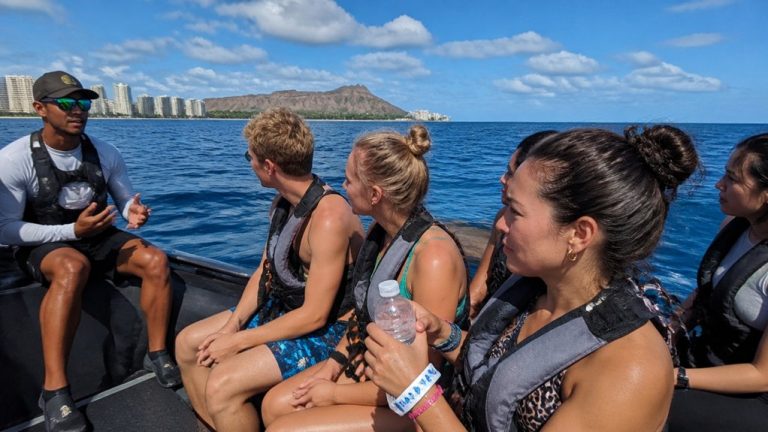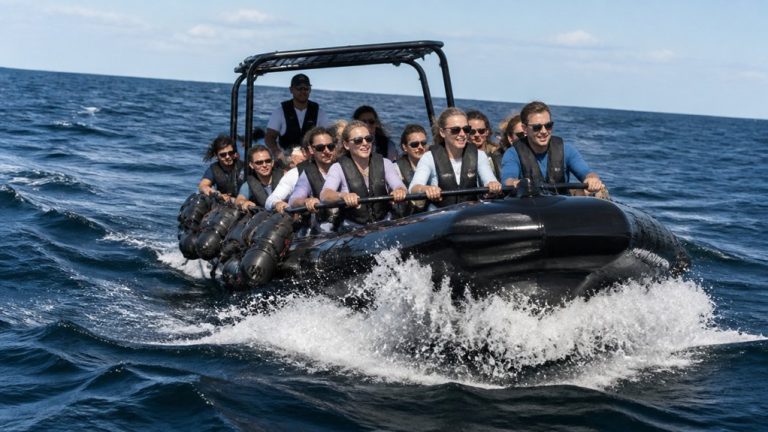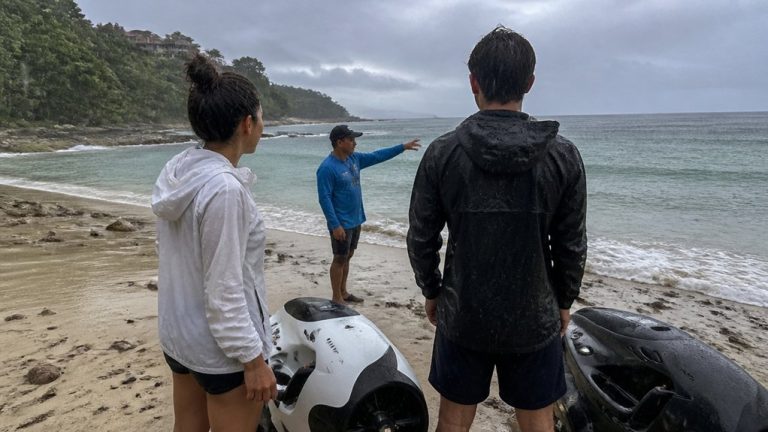

Most people don’t realize an Oahu sea scooter tour often gives you only a few minutes underwater at a time, even though the whole outing runs about two hours. You’ll cruise past Diamond Head, slip into Maunalua Bay, and glide by turtles and reef fish with your face mostly dry and a guide close by. That mix of easy access and real ocean wonder sounds great, but a few details can make or break the value.
Key Takeaways
- A Sea Scooter Tour in Oahu is worth it for beginners wanting an easy, memorable reef adventure without scuba training.
- The biggest draw is close-up viewing of turtles, tropical fish, and coral while breathing normally through a dry helmet.
- It works best if you value the full boat-and-reef experience, since actual scooter time may be only about 10 minutes.
- Morning tours in calmer months usually feel smoother, while winter chop and motion sickness can reduce enjoyment.
- It is most worth booking with operators offering strong one-on-one guide support, clear safety policies, and reasonable scooter-to-guest ratios.
Is an Oahu Sea Scooter Tour Worth It?
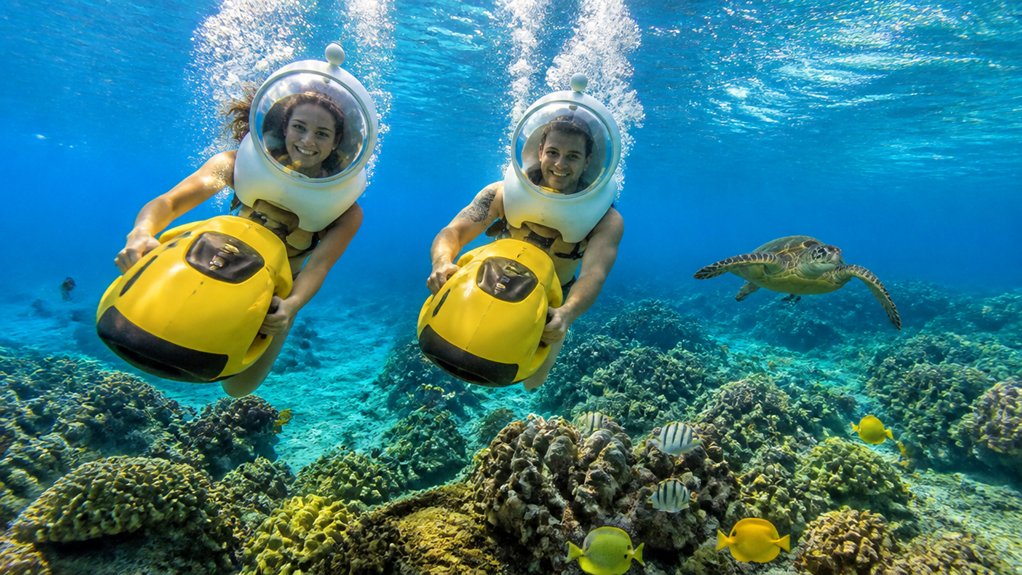
So, is an Oahu sea scooter tour worth it? If you want an easy ocean adventure with real wow factor, yes. Most trips leave from Maunalua Bay and pack a lot into about two hours. You’ll cruise past Diamond Head and Koko Crater, then slip underwater for a dry-helmet view that feels surprisingly calm. The big payoff is seeing sea turtles, bright fish, and coral without scuba training. Crews usually earn high marks for safety and friendliness, so you can focus on the blue water and shoreline views. Just expect possible waits, short in-water time, or choppy seas. Bring motion sickness meds if you’re prone and buy the photos if you can. They’ll remind you how unusual this little splashy memory really is. Many guests say spotting sea turtles is the highlight of Oahu sea scooter tours.
What Is an Oahu Sea Scooter Tour?
Picture yourself gliding 7 or 8 feet below Oahu’s surface on a battery-powered sea scooter while your head stays inside a clear air-filled helmet, calm and dry-eyed as fish flicker past.
That is an Oahu sea scooter tour, often billed as an Underwater Scooter Adventure. You board a catamaran in Maunalua Bay and cruise past Diamond Head and Koko Crater before dipping under. As a first-timer walkthrough, the experience is designed to feel approachable even if this is your first time trying it. You don’t need scuba training, and many non-swimmers can join because the helmet supplies air. A trained attendant usually stays with you one-on-one. Expect a couple of hours total, some snorkeling, and a good chance to See Turtles and bright reef fish. It’s close enough to Waikiki for an easy half-day, with simple age, height, weight, and health rules to note.
What’s Included in the Tour Price?
While the ride feels like the main event, the tour price usually covers the whole easy half-day from start to finish. You’ll board a round-trip boat from Maunalua Bay on a 50-foot catamaran, often cruising past Diamond Head and Koko Crater before you slip into the water.
Your package usually includes the Submarine Scooter or seabob session, snorkel gear like goggles and fins, and extra snorkeling time before or after the dive. A crew member stays with you underwater, and you’ll get life jackets, a short briefing, and surface practice first. Snacks, drinks, and guide commentary are usually part of the deal too. The tour ticket usually covers much more than just the scooter ride itself, including transportation, equipment, and crew support. You’ll check in early with ID and a waiver, then return to the same meeting point later. Photos and video usually cost extra.
Who Is an Oahu Sea Scooter Tour Best For?
You’ll like an Oahu sea scooter tour if you want an easy start underwater, whether you don’t swim much or you’re simply new to it. It also fits families with kids 10 and up and small groups who want a short, unusual outing that feels part boat ride, part quiet reef cruise. If you’re the type who lights up at the sight of sea turtles, bright tropical fish, and clear blue water sliding past your helmet, this trip will have your full attention. It’s also a good match if you want a guided intro to underwater sea scooters in Oahu and a clear idea of what to expect before you go.
Non-Swimmers And Beginners
If the idea of open-water swimming makes you hesitate, an Oahu sea scooter tour can still be a surprisingly good fit. Even if you can’t swim, you’ll ride 7 to 8 feet below the surface inside a diving bell helmet that lets you breathe normally and keeps your face dry. No scuba class. No mask fog.
With Submarine Scooters, you’re usually paired one-on-one with a trained crew member who guides and steadies you underwater. That extra help matters if you’re nervous or brand new. This setup makes non-swimmers feel more supported while trying a sea scooter tour in Waikiki. You only need to equalize your ears and follow simple hand signals. Expect a few beginner tradeoffs, though. Limited scooters can mean waiting around, and choppy water can make the boat rock more than you’d like. Still, many first-timers find it manageable and memorable.
Families And Small Groups
That same beginner-friendly setup also makes an Oahu sea scooter tour a strong pick for families and small groups, especially with kids ages 10 and up who meet the 4-foot height minimum.
You can book it even if your crew has mixed confidence in the water, because everyone stays dry inside the underwater helmet and rides with a trained guide one-on-one. The age limit starts at 10 years old, so it helps families quickly decide whether younger kids can join. The full trip runs about two hours, so it fits nicely between beach plans and lunch. Small boat sizes keep it feeling manageable, not like a floating stampede. Just check the Scooter equipment limits for taller or heavier riders, expect possible wait turns, and pack seasickness meds if your family gets queasy in chop before boarding on breezy days with restless stomachs too.
Nature Lovers And Sightseers
Why do nature lovers keep circling back to an Oahu sea scooter tour? You get easy, close views of marine life without working hard for them. Underwater scooters glide about 7 to 8 feet below the surface in Maunalua Bay, where you’ll often spot a Hawaiian green sea turtle and clouds of tropical fish moving over coral. This 7 to 8 feet depth keeps the experience shallow enough for easy sightseeing while still giving you a clear underwater view. You stay dry inside the helmet and breathe normally, so even if snorkeling isn’t your thing, you can still enjoy the show.
If you like sightseeing more than swimming, this setup fits. You can watch reef life, shoreline scenery, and boat-to-bay shifts during a roughly two-hour outing. Staff guide you one on one underwater, which keeps things simple. If wildlife photos matter, spring for the onboard photo package. It’s worth it, unless you’d rather blink.
How Safe Is an Oahu Sea Scooter Tour?
You’re not left to figure it out on your own, because a trained crew member stays with you underwater and helps with the scooter, helmet, and basic checks from the start. The setup is beginner-friendly too, with a battery-powered scooter, a helmet that lets you breathe normally, and life jackets and snorkel gear that keep the whole thing feeling more like a guided ocean glide than a test. You still need to fit the safety rules, though, so expect age, size, and health limits, plus a waiver and a short precheck before you head out. Most tours also walk you through what to expect step by step before you enter the water, so you know how the experience will go from the very beginning.
Built-In Safety Measures
Even if you’ve never tried scuba before, an Oahu sea scooter tour builds in several layers of safety from the start. You’re paired one on one with a trained attendant or dive master who stays beside you underwater, guides the scooter, and make sure you stay comfortable. The helmet system sends a steady flow of air while keeping your face dry, so you can breathe normally without complicated dive skills. You should still know how to swim, but the setup feels surprisingly simple. Before you enter, the crew handles safety_checks, fits flotation support, and inspects the low voltage 12 volt scooter. If weather or seas turn rough, operators pause tours, reschedule, or refund you. That’s reassuring when the Pacific starts acting a little moody offshore. Many operators also follow a clear refund policy when cancellations happen due to unsafe ocean conditions.
Health And Eligibility Limits
Before you book, it’s worth checking the fine print on health and size limits, because sea scooter tours in Oahu aren’t a fit for every traveler. The minimum age is usually 10, with height around 4 feet and weight near 350 pounds. You’ll confirm medical fitness and sign a waiver at check‑in. Pregnant travelers and anyone with major heart or breathing issues should skip it. In general, sea scooter safety depends on following guide instructions, using properly maintained equipment, and staying within the tour’s health rules.
| If this sounds like you | What you may feel |
|---|---|
| non‑swimmers with guide help | Relief, then a grin underwater |
| Choppy water or ear pressure | Queasy stomach, weird popping, less wonder |
You can still join as an older guest if guides assist you one on one. Just expect possible waits if scooter numbers are tight and supervision timing shifts a little too.
How Much Underwater Scooter Time Do You Get?
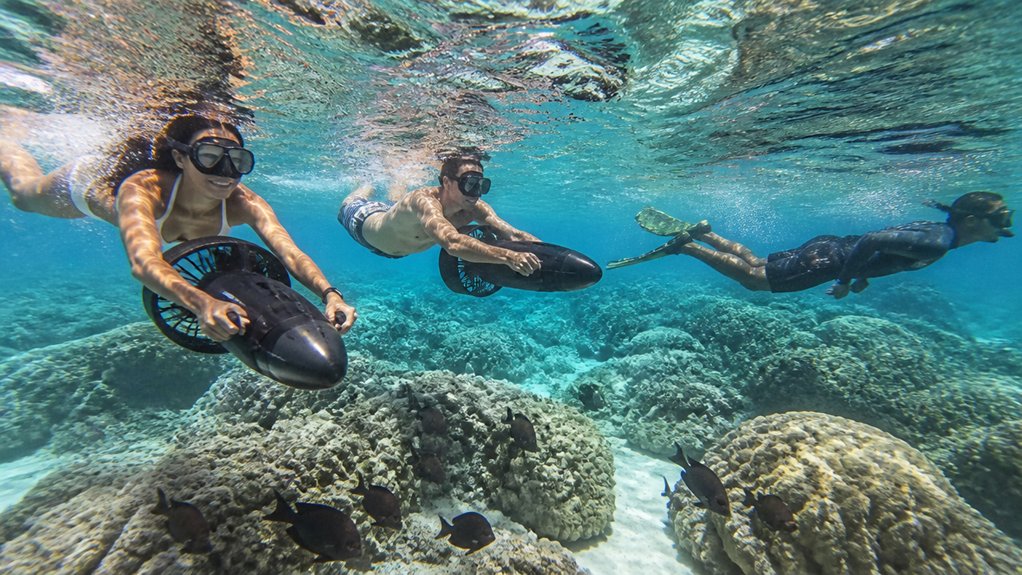
Most sea scooter tours in Oahu last about two hours, but your actual underwater scooter time is often much shorter, sometimes only around 10 minutes per person. On many scooter tours, you rotate in small groups, so short underwater time is common when there’s limited unit availability, like 10 scooters for 30 guests. While you wait, you may snorkel, float, or try a seabob above the bright blue reef.
Many Waikiki departures begin from a harbor or boat launch area before heading out to the tour site. Once it’s your turn, the ride can feel quick but memorable. A dive master may guide or control the scooter, which means you spend less time steering yourself through the clear water. Because the window is brief, underwater photos and video are often worth it. They help you hold onto that blink-and-you-miss-it glide past fish.
What Are the Biggest Downsides to Expect?
You’ll want to brace for two common snags on an Oahu sea scooter tour: choppy water that can turn your stomach, and long waits when too many guests share too few scooters. If the boat rocks at its mooring or the ride back gets bouncy, you may wish you’d taken anti-nausea meds before the salt spray starts flying. And when there are more people than machines, your actual ride can feel surprisingly brief while you wait your turn in the sun. Following basic seasickness tips before your Waikiki sea scooter tour can make the rougher moments much easier to handle.
Seasickness And Rough Water
Often, the biggest catch on an Oahu sea scooter tour isn’t the helmet or the fish. You may find seasickness is the real spoiler, especially when choppy water and rough boat rides get the deck rolling before you even descend. If you’re sensitive to motion, reviewers often suggest antiemetic pills the night before and again that morning. Even while the boat sits moored, the bobbing can stir your stomach and your nerves. Rough seas can also trim your underwater time or cancel the trip for safety. You’ll still get helpful crew and a memorable view of blue water and reef life, but if you’re prone to vertigo or inner-ear issues, stay realistic about comfort and conditions today on the open Pacific that shifts fast.
Waiting Times And Limits
Even if the water looks postcard perfect, the biggest letdown can be simple math: there may be far fewer sea scooters than people on board. If your boat carries 30 guests and only 10 scooters, you’ll likely wait while teams rotate. That can shrink your actual ride to about 10 minutes on a trip that lasts two or three hours. You might snorkel or swim while others go, then sit on the moored boat listening to fins slap and waves knock. Choppy seas make the idle stretches feel longer and your stomach less thrilled. Arriving early for tour check-in can at least reduce pre-departure stress before those onboard waits begin. Even after you return, photo and video lines can slow disembarkation. The upside is that you may still spot marine life, but patience really is part of the ticket today in Oahu.
What Marine Life Can You See on the Tour?
Usually, the first stars of the tour are Hawaiian green sea turtles gliding through Maunalua Bay, with schools of bright reef fish like butterflyfish, tangs, and parrotfish flashing around the scooters.
You’ll likely spot Hawaiian green sea turtles up close, which is why many guests compare the ride to easy turtle snorkeling with a helmet on. You may also see colorful tropical reef fish circling near the guide’s fish bag, plus the occasional octopus tucked into rocks or a sea star on the sandy bottom. Sightings feel surprisingly camera-friendly, and onboard photographers often capture those turtle moments for you. Just know your underwater time can vary a lot, so what you see depends partly on how long you’re actually below the surface. Even brief rides can deliver a memorable underwater hello. While enjoying those encounters, remember to follow Hawaii’s sea turtle etiquette by giving turtles plenty of space and observing them respectfully.
When Is the Best Time for Calm Water?

Generally, the smoothest rides happen in the morning, especially on departures around 8:00 to 10:00 AM, when Maunalua Bay tends to wake up glassier and quieter. If you want the calmest water on your tour, book early. Lighter trade winds and smaller swells usually make the bay feel gentler then, especially from May through September near Koko Marina.
- Picture a pale blue surface with barely a wrinkle
- Hear only the boat hum and soft fin kicks
- Slip into water that feels silky, not bouncy
This lines up with the best time of day for Sea Scooter Tours Waikiki, since earlier outings often bring calmer conditions and better comfort. Winter can turn choppier, so check NOAA forecasts and your operator’s weather rules before you go. If strong trade winds or advisories pop up, expect reschedules. If seasickness finds you easily, an early slot helps most for comfort and confidence.
What Should You Bring for the Tour?
An early, calm ride feels even better when you show up ready for it. Wear your swimsuit, and pack a towel, dry clothes, and reef-safe sunscreen. Your snorkel gear is included, so focus on comfort items that make the two hours smoother. Bringing essential gear ahead of time helps you avoid last-minute stress on the morning of the tour.
| Bring | Why |
|---|---|
| Photo ID | Check-in is faster |
| Signed waiver | Required before departure |
| Seasickness meds | Bobbing water can surprise you |
| Light jacket | The ride back gets windy |
Arrive 30 minutes early at Bob’s Hawaii Adventure. If you’re sensitive to motion, take medication the night before and again that morning. Bring spending money or a waterproof phone case for photo packages. Ear drops and extra hair ties can also save the day. Minors need a parent or guardian to sign, so double-check paperwork beforehand.
How Do You Choose the Best Oahu Operator?
Picking the right operator can shape the whole morning, from a smooth check-in to the moment your scooter starts humming underwater. First, check age, height, weight, and health rules before you book, so nobody gets surprised at the dock. Ask about the operator’s weight limit as part of those booking rules, since sea scooter tour guidelines can affect who is cleared to ride safely.
- Picture a shaded harbor lot, easy parking, and clear meeting requirements.
- Imagine a calm guide at your shoulder, proof of strong safety staffing underwater.
- Hear the scooter buzz longer than ten minutes because you Confirm scooter-to-guest ratios and read reviews.
You should also compare battery-powered units, photo packages, snorkeling gear, and cancellation terms. The best operators explain waivers, ask for ID early, and pair you with a buddy or divemaster. That kind of planning keeps the reef magic, not the logistics, in your head afterward.
Frequently Asked Questions
Are Sea Scooter Tours Suitable for Non-Swimmers in Oahu?
Yes, you can enjoy Oahu sea scooter tours as a non-swimmer because crews provide guided assistance, life jackets, and helmet systems over shallow reefs. Just confirm requirements, expect seasickness, and check group size before booking.
Do Oahu Sea Scooter Tours Offer Photo or Video Packages?
Yes, as you glide into blue silence, you’ll find many Oahu sea scooter tours offer underwater photography and video packages, sometimes with drone footage and instant downloads. You should ask about pricing, delivery, and package options.
What Is the Minimum Age for a Sea Scooter Tour?
The minimum age for a sea scooter tour is usually 10 years old. You must also meet height and health age restrictions, and if you’re under 18, you’ll need parental consent and a paying adult.
Are Hotel Pickup and Transportation Included With Most Tours?
No, you usually won’t get hotel pickup included; while you might expect hotel transfers, most tours use meeting points. You should check for resort shuttles or private pickup, because availability varies and fees can apply.
What Happens if Bad Weather Cancels the Tour?
If bad weather cancels your tour, you’ll usually get a full refund under the refund policy or choose rescheduling options. You’ll receive notice before departure, and you can plan alternate activities if seas turn unsafe.
Conclusion
If you want a small adventure that feels oddly like an astronaut stroll under warm blue water, an Oahu sea scooter tour can earn its price. You board for a quick cruise, hear the boat hum, then drop into a quiet world of turtles, coral, and silver fish. The ride underwater is brief, which is the irony. It can feel both short and huge. Choose a careful operator, bring a towel, and let Maunalua Bay surprise you.