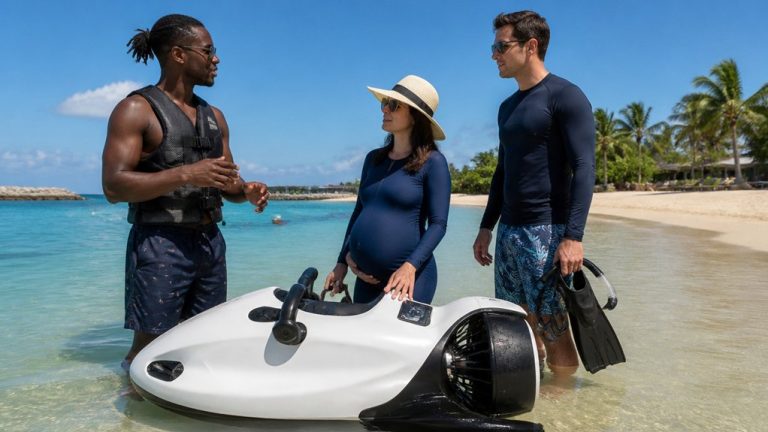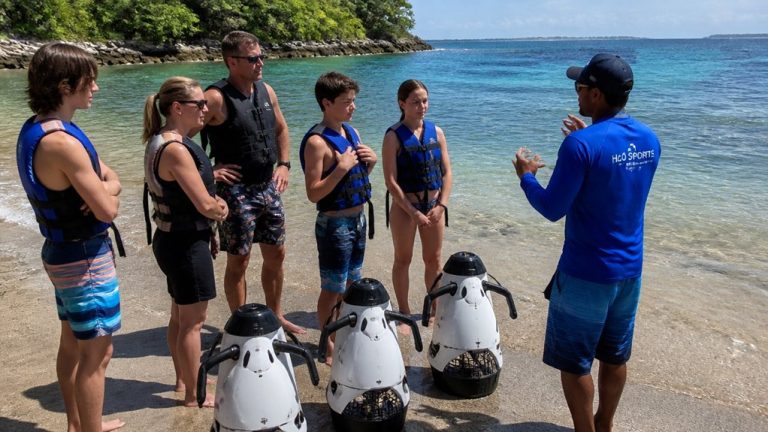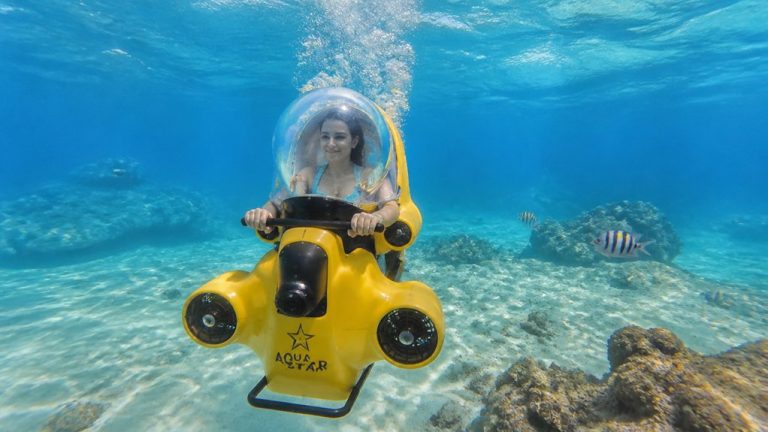

Many tour operators set sea scooter limits somewhere between 220 and 300 pounds, and that number changes more than you’d think. If you’re close to the cutoff, it’s not just about rules. It affects how the scooter floats, how straight it tracks, and how hard the motor hums under the surface. Add fins, a wetsuit, or a camera, and the math shifts again. That’s where the real questions start.
Key Takeaways
- Sea scooter tour weight limits usually include the rider plus personal gear, and exceeding them can reduce buoyancy, control, speed, and battery runtime.
- Operators often count body weight with clothing and ask about heavy extras like full wetsuits, weight belts, or camera housings.
- Staying under the limit improves tracking, lift, and handling, while overweight riders may cause nose dip, drag, and extra motor strain.
- Limits vary by scooter model, water conditions, and safety margins, so ask about posted caps, payload, and refund or rescheduling policies.
- If you are near the limit, verify your weight, call ahead, disclose medical or mobility issues, and expect possible refusal for safety.

Oahu: Full or Half Day Grand Circle Island Tour
Choose from two exciting ways to experience Oahu's top attractions, scenic beauty, and local culture.Option 1: Dole Plantation & Haleiwa Town (6.5 H...

Oahu: Submarine Scooter Adventure
Dive into an unforgettable underwater adventure on Oahu’s beautiful Maunalua Bay. Cruise past the iconic Diamond H...

Oahu Circle Island Snorkeling Tour: Dole, Pali Lookout & More
Looking for the BEST VALUE & MOST COMPLETE Circle Island Snorkeling Tour? Join us for the ultimate full-day, action-...
Voted Honolulu's #1 Beginner Scuba Diving + Free Videos Tour
Try scuba diving in Honolulu with this easy, beginner-friendly ocean adventure at Magic Island, Ala Moana Beach Park...
What Does a Sea Scooter Weight Limit Mean?
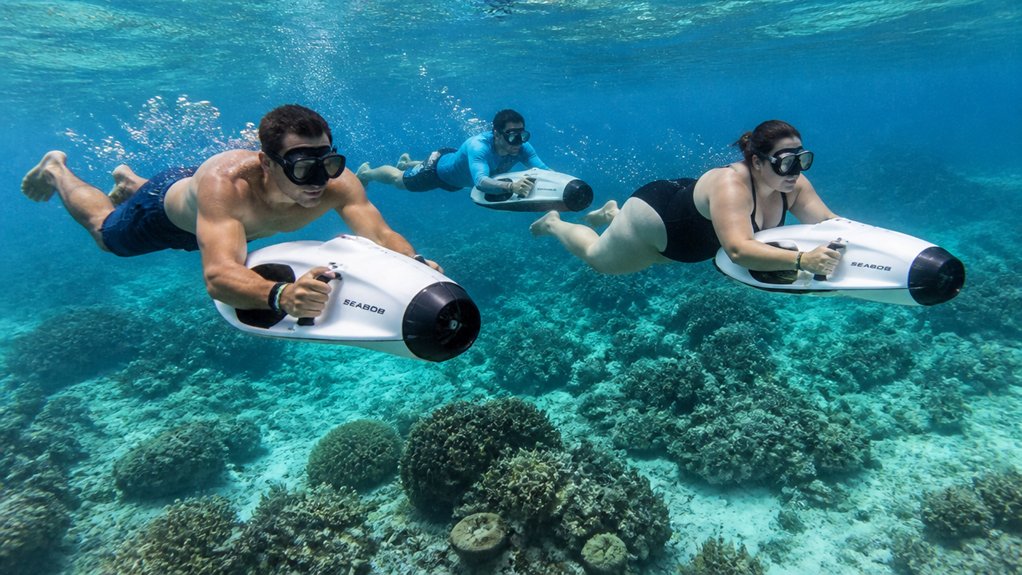
Clarity matters here, because a sea scooter weight limit simply means the maximum total rider weight the maker or tour operator allows for that scooter to work safely in the water. That number helps you judge buoyancy, handling, and motor performance before you ever zip across a reef or cove. Stay under the limit, and your scooter should track better, move at its intended speed, and deliver more reliable battery time. Go over it, and you may feel sluggish pull, weaker control, and extra strain on the motor. Limits differ by model, because compact travel scooters and more powerful units use different designs and battery setups. On an Oahu sea scooter tour, this guideline also shapes what you can expect from the ride in real water conditions. Before your tour or rental, check the user manual or briefing, then follow local rules. You’ll smile afterward.
Does the Tour Weight Limit Include Gear?
When you see a tour weight limit, you should usually assume it covers you plus the personal gear you bring, not just your body weight. Staff typically count the rider and any extra items like heavy boots, a full wetsuit, or a bulky camera housing, while the standard mask, fins, wetsuit top, and sea scooter are usually part of the package. If your bag feels more like a clanking mini locker than beach basics, tell the operator at booking or check-in so you don’t get stopped at the dock. Many first-time riders ask about this in sea scooter tour FAQs, so bringing it up early can help avoid surprises.
Rider Weight Vs. Gear
Although the posted limit is 350 pounds, that number usually covers you plus the gear you wear on the tour. Standard snorkel kit like a mask, snorkel, fins, and a wetsuit top adds only about 4 to 11 pounds, so you should assume the limit includes that equipment.
If you bring heavier personal items like a full wetsuit, weight belt, or bulky camera housing, you must inform the operator before you book. Extra weight can change buoyancy, handling, and how the scooter responds in choppy water. Height rules matter too, often around 46 to 80 inches, because fit affects control and safety. Family operators may also apply age limits alongside height and weight checks to keep riders safe. When you’re unsure, share your weight with clothing and gear in advance so the provider can confirm you’re a good match today.
What Staff Typically Count
Think of the weight limit as the number staff attach to you, not to the tour’s pile of shared gear. On most sea scooter trips, tour weight limits cover your body plus clothing and swimwear. The scooter, mask, fins, and basic safety gear usually don’t count. Staff use the limit for rider safety and boat capacity, not for the weight of loaner equipment sloshing in a bin. This is part of basic rider safety, since operators use limits to help keep tours safe before you ride.
- Your body, rash guard, and swimsuit usually count.
- Heavy personal extras like thick wetsuits, weight belts, or big cameras may count.
- Shared rental gear usually doesn’t, but boat manifest limits can still matter.
If you’re unsure, call ahead with your weight and extras. That quick check can save you a dockside surprise at check-in.
Why Do Sea Scooter Tour Limits Vary?
Because no two tours run in the same real-world conditions, sea scooter limits can look surprisingly different from one operator to the next. You might see one company allow riders up to 350 pounds, while another sets a lower cap. That difference often comes down to scooter buoyancy, rider stability, steering control, and how much lift the unit provides in an emergency. A lighter sea scooter can behave differently from a heavier 150 watt model with a battery installed. Operators also adjust rules for shallow guided outings versus deeper dives, and for rough sites where safety margin matters. On top of that, age, height, medical rules, insurance demands, and local regulations can tighten eligibility. Sometimes the fine print matters as much as the throttle. It also helps to ask accessibility questions before booking, since tour-specific accommodations and physical requirements can affect who is allowed to ride.
Still comparing Sea Scooter Tour Weight Limit: What To Know?
Ask for tour ideas, hotel suggestions, or a simple trip plan that combines both.
Trip Helper
Do Saltwater and Freshwater Affect Limits?

Switch from a lake to the ocean, and your sea scooter can feel a little different right away. In saltwater, you and the scooter float slightly higher, so trim can change even when the motor sounds the same.
- Saltwater boosts buoyancy, which can reduce effective ballast and make neutral trim trickier.
- Lightweight travel scooters often need a tiny added weight, while heavier battery models may balance naturally.
- Make changes slowly. Test in shallow water, then shift a small weight forward or aft if needed.
Before any tour, check the manual, depth rating, and any trim calculator or support notes. A surprisingly tiny adjustment, sometimes around 25 grams, can make the ride feel smoother and less fussy underwater on your first dive. On many guided outings, wetsuits and gear are included, which can slightly affect your total in-water buoyancy and overall trim.
How Body Size Changes Scooter Balance
While the motor may hum the same for everyone, your body size changes how the scooter sits and tracks in the water. If you’re heavier, you press the scooter deeper, which reduces buoyant lift and can make scooters ride nose-up or tail-down depending on where your mass falls. At depth, that shift can feel like a gentle tug on the handles and extra throttle to hold your angle.
Your posture matters too. Legs tucked pull your center of mass forward, while extended legs move it back. Off-center cameras, batteries, or gear can add roll or yaw, so you keep correcting the line. In saltwater, extra buoyancy also nudges the balance point, sometimes by just a few grams of trim difference between smooth glides and. Before booking, review the refund policy in case weight-related fit or balance concerns affect your Sea Scooter Tour plans.
Can Operators Adjust Trim or Add Weights?
Yes, you can often adjust a sea scooter’s trim with the maker’s system or a small ballast kit, and sometimes that means adding just a few tiny weights to shift the balance. You’ll want to keep those additions modest, because a little fine-tuning can help while too much ballast can push the scooter past its buoyancy or depth limits. If you make any changes, secure the weights properly, check the manual, and test the scooter in shallow water first so it glides smoothly instead of acting squirrelly. Even with trim adjustments, riders should still breathe normally on a sea scooter tour for a safer, more comfortable experience.
Trim Adjustment Options
A sea scooter’s trim usually isn’t fixed in stone, and operators can often fine-tune it with small ballast tweaks. On an Underwater Scooter, even twenty-five grams can nudge the nose or tail into better balance. Brands like Seacraft offer trim calculators, so you can estimate where tiny weights should go before you splash in. On a typical sea scooter tour, operators may check balance and trim before entering the water to help the scooter track correctly from the start.
- Start with a minimal rearward adjustment.
- Test at the surface and in shallow water.
- Move or add small increments, not big chunks.
You should also check for adjustable buoyancy parts or quick-release ballast built into the scooter. Fasten everything securely, keep propeller guards and release systems clear, and log every change. That way, you protect warranty coverage and keep safety features working as intended on every dive.
Added Ballast Limits
Because every scooter has its own sweet spot in the water, you can often fine-tune trim with a very small amount of added ballast instead of a big fix. For some Underwater Scooters, that means tiny external weights, like roughly 25 grams split into five small pieces, then nudged slightly aft until the scooter rides level. For essential gear, bring any manufacturer-recommended trim tools or setup items on a sea scooter tour so you can make small, safe adjustments if needed.
Keep ballast minimal and place it with care. You should use the maker’s trim calculator or setup guide to choose the amount and position. Don’t block moving parts, propeller guards, quick-release gear, or seals. Write down what you’ve added and where it sits. That way you can confirm your setup stays within design depth, balance, local limits, and flotation or automatic shutoff features still work as intended.
Operator Safety Decisions
Start with the manual, then make only small, deliberate changes. Many operators can tweak trim with a maker calculator or tiny ballast weights. On one Crostia, just 25 g, about five small weights, changed handling. Your goal is simple: shift the center of gravity a touch forward or back for neutral, or slightly negative, trim. If riders want to document test runs, remind them that clear underwater shots usually come from stable handling and careful camera technique during a sea scooter tour.
- Follow manufacturer guidance and safety regulations. Don’t exceed depth or buoyancy limits, and don’t block quick-release features.
- Document every change. Test in shallow water first, where bubbles, sand, and rider reactions are easy to watch.
- Brief riders before launch. Explain the new feel, emergency steps, and why heavy mods, drilling, glue, or more than a few hundred grams are bad ideas and can void warranties too quickly.
What Happens If You Exceed the Limit?
Even if the scooter still looks sleek and ready to go, exceeding the weight limit can quickly turn a smooth glide into a clumsy, stressful ride. With sea scooters, too much load can reduce buoyancy and lift, so you may feel the nose dip, the frame drag, or the platform sink lower than it should.
You also put more strain on the motor and battery. That usually means slower speed, shorter runtime, and less control when the water gets choppy. Extra weight can stress latches, propeller guards, and the frame itself, which raises the chance of damage. If something goes wrong, guides may trigger an assisted swim or tow. You could also lose liability coverage, and staff may refuse the tour or move you to a safer option after assessment. During pregnancy safety, operators may apply additional restrictions or require extra assessment before allowing a sea scooter tour.
What If You’re Close to the Limit?
If you’re hovering within 5 to 10 pounds of the sea scooter tour’s posted limit, don’t guess and hope for the best. Check the listed cap, often 350 pounds, and treat it like real gear math, not vacation optimism.
- Arrive early and ask to use the boat scale if available.
- Bring photo ID since verification may be required and must be carried.
- If you’re barely over, expect tighter calls on busy days; ask about smaller groups, private charters, adapted equipment, or another departure.
For a smoother check-in, follow when to arrive guidance from the tour operator so staff have time to verify weight and equipment needs. Safety rules and insurance limits can feel unromantic, but they shape rescue options and the day’s flow. If a crew member says no, pivot fast and keep your sea-time spirit intact for the next blue, bubbly ride that fits you better.
When Should You Tell the Tour Operator?
You should tell the tour operator as early as booking, especially if you’re over the stated weight limit, close to it, or traveling with kids who’ll need the right setup. That early heads-up gives the crew time to match you with suitable scooters, flotation support, and any supervision plans before the beach buzz starts. Before tour day, you should also flag medical issues, pregnancy, mobility concerns, or your own gear so there are no awkward surprises at the dock. It’s also smart to ask about the tour’s cancellation policy in case your weight, health, or equipment needs affect your plans.
During Booking
Bring it up as soon as you book. Always check the tour’s stated weight limit, usually 350 pounds or about 159 kg, and say clearly if anyone in your group exceeds it. That gives the operator time to confirm the right equipment and safe setup.
- Share each rider’s age, especially for kids, since most tours require participants to be at least 10.
- Disclose medical conditions or pregnancy when reserving, because many operators restrict certain health issues and pregnant guests.
- Ask about scooter size limits, boat minimums like 10 people, and whether personal battery-powered scooters or spare batteries are allowed.
Also give your contact details and expected arrival time. It’s simple logistics, but it can save you from a dockside surprise later. This also helps clarify what your tour ticket really covers before the day of the trip.
Before Tour Day
Booking is the first heads-up, but the day or two before your tour is when details need to get nailed down. If you weigh more than 350 pounds, tell the operator then if you haven’t already. You’ll give staff time to confirm safety, equipment, and any liability steps without awkward dockside surprises.
You should also speak up 24 to 72 hours ahead if you need a larger life jacket, reinforced scooter mount, or special seating. Mention medical conditions, pregnancy, or limited mobility, since safety screening rules can be strict. Bringing your own sea scooter or heavy dive gear? Share dimensions, battery type, and whether the battery will be removed. Battery Life matters less than boarding space. If your child is close to age 10 or height minimums, ask early. This kind of advance communication is especially helpful for a first-timer walkthrough, since operators often use pre-tour details to prepare guests for the experience.
What Should You Ask Before Booking?
Before you lock in a sea scooter tour, a few smart questions can save a lot of dockside stress. Ask the operator for the posted weight cap, often about 350 pounds, plus any height rule. Then ask whether the Propulsion Vehicle itself has a lower payload than the tour advertises.
- Check if medical forms exclude pregnancy or certain conditions.
- Ask if your weight changes buoyancy or performance, and whether larger scooters or more buoyant gear are available.
- If you’re close to the limit, confirm the refund or rescheduling policy if safety rules stop you at check-in. Nobody wants a snorkel-day plot twist.
A quick email now beats awkward scale suspense later, while the boat hums and everyone else is chasing water. You should also ask whether swimming skills are required for the tour, since some sea scooter operators may expect guests to know how to swim.
How Do Tours Size Riders Correctly?
Once you’ve asked about the limits, the next question is how a tour makes sure you actually fit the machine and the boat. Usually, you’ll give your weight when you book or check in, because operators must protect both rider safety and total boat capacity. They also look at your height and minimum age so the harness sits right and the controls feel natural in the sea. Then guides match you to a scooter model. Lighter guests may use smaller units, while heavier riders get sturdier DPVs with different buoyancy and trim settings. Before launch, many crews do a deck fitting and flotation test. This kind of check also matters on non-swimmer tours, where proper fit and flotation support are especially important for comfort and control in Waikiki conditions. They may shift weights, fine tune trim, or, if limits are exceeded, say no. Better awkward now than chaos later.
Are Kids’ Sea Scooter Limits Different?
How different are kids’ limits on a sea scooter tour? Quite a bit. If you’re booking for young underwater explorers, you’ll usually see stricter age, speed, and depth rules than for adults. Many standard scooters are for ages 16 and up, while kid models fit ages 8 to 15 and need constant adult supervision. In Oahu, some operators market sea scooter adventures specifically for families, but they still enforce minimum age rules for children.
- Age: Tours often require riders to be at least 10, even with child-friendly scooters.
- Performance: Kids’ units are lighter, about 4.5 kg less, and usually top out around 2 to 3 mph.
- Safety limits: Expect simpler controls, shallower depth caps near 65 feet, and the same tour weight cap, often up to 350 pounds.
Before you book, confirm the exact model and rules with the operator and manufacturer first directly.
What Gear and Clothing Affect Buoyancy?
Weight limits don’t tell the whole story, because what you wear and carry can change the way you float in the water. A 3 to 5 mm wetsuit adds lift, often about 1 to 3 kilograms, so you may rise more than expected. Saltwater boosts buoyancy by about 2.5 percent too, which is why ocean rides often need a bit more weight.
Metal or lead belts, plus tiny trim weights, help you dial in neutral balance. Underwater scooters matter as well. A 3.5 to 6.5 kilogram scooter can reduce your positive buoyancy, while a heavier 8.5 kilogram model or extra attachments can shift trim again. Add a snorkel vest, flotation device, or built in scooter float, and the math changes fast. Check trim again. If you plan to film the ride, your camera setup and GoPro settings can also affect handling slightly when mounts or accessories add drag and change balance.
Frequently Asked Questions
Are Sea Scooter Tours Suitable for Non-Swimmers?
Yes, you can enjoy many sea scooter tours as a non-swimmer because you’ll get propulsion, flotation, guidance, and safety briefings. With Floating Confidence, you can follow close supervision on easy routes and participate safely too.
Can Pregnant Guests Join a Sea Scooter Tour?
Usually, you can’t join while pregnant; for example, if you’re 20 weeks along, staff will likely deny boarding. Pregnancy contraindications, exertion, pressure changes, and emergency risks make operators restrict participation, even with your doctor’s note.
Do Medical Conditions Affect Sea Scooter Tour Eligibility?
Yes, your medical conditions can affect eligibility; operators use Medical screening to assess risks. You should disclose heart, respiratory, pregnancy, seizure, or recent surgery issues, because staff can require clearance or deny participation for safety.
Is Prior Snorkeling Experience Required for Sea Scooter Tours?
No, on most 2-hour tours, you don’t need prior snorkeling experience; even first-timers join. With a 20-minute guided scooter ride, Beginner friendly guidance, safety briefings, gear, and staff support help you float, follow instructions, and enjoy.
Are There Age Minimums for Adult Sea Scooter Tours?
Yes, you’ll usually face Age restrictions on adult sea scooter tours: many operators allow supervised kids around 10, but require riders to be 16 for standard adult use. You’ll also need swimming ability and clearance.
Conclusion
Know the weight limit before you book, and your ride will feel smoother from the first buzz of the motor to the last bright patch of water. Ask if the limit includes fins, cameras, or a chunky wetsuit. Mention kids, pregnancy, or mobility needs early. Why risk a nose dip and a tired battery when a quick check can keep you gliding straight, light, and smiling past coral heads, silver fish, and that one splash-happy friend?
Oahu: Full or Half Day Grand Circle Island Tour
Choose from two exciting ways to experience Oahu's top attractions, scenic beauty, and local culture.Option 1: Dole Plantation & Haleiwa Town (6.5 H...

Oahu: Grand Tour Around Island with Snorkeling
Come join on a circle island adventure led by some of Hawaii’s most knowledgeable local guides and experience brea...

Oahu Grand Circle Island Experience from Waikiki
Enjoy Grand Circle Island experience tour with breathtaking views of Amelia Earhart Lookout on Diamond Head, admire...

Toa Luau at Waimea Valley, Oahu
Toa Luau invites you to immerse yourself in the beauty and excitement of Polynesia on Oahu’s historic North Shore!...