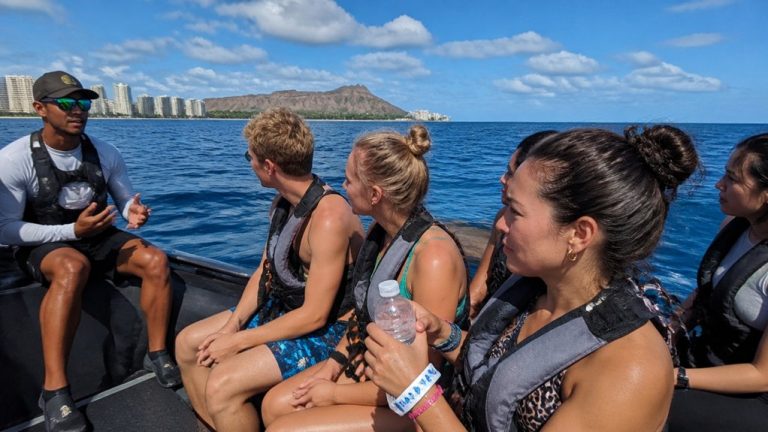

On many sea scooter tours, your boat ride lasts just 15 minutes, but on slower routes it can stretch past 50 and feel twice as bouncy. You might skim over glassy blue water with only a soft slap under the hull, or brace through spray and sharp pitching that rattles the bench. Your comfort often comes down to boat type, seat choice, and weather, and those small details can change the whole outing.
Key Takeaways
- Sea Scooter tours usually depart by boat to an offshore platform, so chop depends more on boat ride conditions than the underwater portion.
- Ride smoothness varies by vessel: larger catamarans and mid-ship seats feel steadier, while small boats and bow or stern seats bounce more.
- Typical speedboat transfers take about 15 minutes, but slower boats or rough conditions can stretch crossings beyond 50 minutes.
- Morning trips and calm-weather days are usually smoother; wind, winter swells, and rough seas increase spray, rocking, and nausea risk.
- If you’re motion-sensitive, take Dramamine or Bonine before boarding, sit in fresh air mid-ship, and watch the horizon.
Do Sea Scooter Tours Start From Shore?

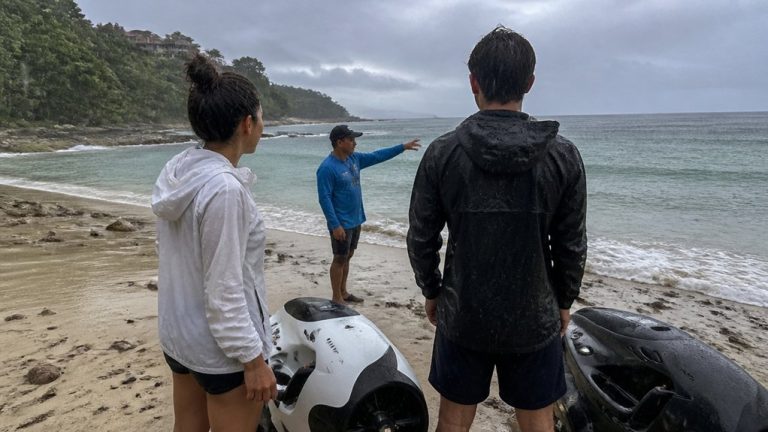
So, do sea scooter tours start right from the shore? Usually, no. You’ll typically step onto a boat first, because operators need deeper water, anchored gear, and clear space away from the beach. The Underwater Scooter or BOB setup often hangs from a rope below a bright buoy, so crews launch you at a marked site instead of through the surf. That keeps logistics smoother and safety tighter, especially if you’re traveling with a child or someone who isn’t fully comfortable in the water. You may still stay relaxed once you arrive, with helmet systems or close diver support. On a calm weather day, the boat ride out can feel like part of the adventure: salt air, engine hum, and splash in your face. In Waikiki, many tours leave from a boat departure point rather than directly off the beach.
How Long Is the Boat Ride?
You’ll usually reach the sea scooter site in about 15 minutes by speedboat, though some first departures use a slower boat that can stretch the ride past 50 minutes. Before you even head out, setup and diver prep can tack on about 20 minutes, so the clock starts ticking while you’re listening to motors hum and watching gear get sorted. On the way back, your ride can feel longer than expected because the full outing includes waiting, group timing, and more boat time than the underwater portion alone. Most Waikiki sea scooter tours combine the boat transfer, safety briefing, and in-water session into one overall experience, so the ride is only part of the total tour time.
Typical Transit Time
Although the advertised run out to the sea scooter platform is usually just 15 minutes by speed boat, the real pre-activity clock often starts earlier and ends later.
You’ll usually skim across the water in 15 minutes, but sea conditions and on-site logistics shape how long it feels. If choppy waves slap the hull, that short hop can seem stretched, especially if you get seasick easily. Make sure you look beyond the transit number.
Keep the refund policy in mind if rough sea conditions affect operations or force cancellations.
- Some first trips have used a slower boat that took 50 minutes or more.
- Diver setup and checks can add about 20 minutes before orientation begins.
- Small groups, capped at 10, may split for snorkeling and extend your time at the platform.
Pick a calm day whenever possible.
Delays Before Departure
That advertised 15-minute boat ride can stretch before you ever touch the sea scooter. If you book the first outing, you may get a slow boat that takes 50-plus minutes to reach the platform. Then setup and diver prep can eat another 20 minutes before orientation even starts, so waits feel like longer waits. Following check-in tips and arriving early can help reduce stress before departure.
| Delay | What happens | What you notice |
|---|---|---|
| Slow boat | Early trip runs longer | More spray, more idling |
| Prep time | Crew gears up divers | You sit, watch, wait |
| Split groups | Snorkelers leave in turns | Departures stagger |
Because only 10 guests go per departure, waits can stack up fast. You’ll hear tanks clink, feel benches, and watch masks fog in salty air. Skipping the earliest slot often trims those waits.
Return Ride Length
Usually, the ride back to shore takes about 15 minutes on a speed boat, and after the underwater portion it can feel brisk, salty, and louder than you remember. If seas stay calm, you’ll be back quickly ashore, hair windblown and still replaying the moment you got to enjoy the underwater world. Yet timing isn’t always identical. Group swaps, snorkel turns, and dockside prep can stretch the full outing close to two hours, so your fun day may feel longer than the headline promise. On many tours, the step by step flow includes returning to the dock and wrapping up gear before the experience fully ends.
- Speed boats usually return fast.
- Some first trips used slower boats and ran over 50 minutes each way.
- Small groups, often around 10, can stagger departures and pickups.
That mix of speed and waiting shapes a ride you’ll never forget.
How Rough Is the Ride Usually?

Most rides to the sea scooter platform feel manageable, but the water can turn the trip into a bouncy little warm-up before you even get in. Usually, you’ll spend about 15 minutes on a speed boat, and that quick hop feels smoother than the slower first run. The best time of year can also make the ride feel calmer in Oahu, since seasonal conditions often shape how smooth the water feels.
| Ride snapshot | What you feel |
|---|---|
| calm-water | Gentler motion, easier views |
| choppy seas at outdoor sunset | More bounce, more horizon flipping |
If you pick a larger boat and sit mid-ship, you’ll usually notice steadier movement. Bow and stern seats bounce more. Early departures can drag out the transfer on slower boats, so if you’re motion-sensitive, you should skip that first outing. That simple choice often keeps the ride feeling lively, not miserable, and lets you arrive to play.
What Makes the Ride Feel Rough?
When the wind picks up and the swell starts crossing the boat’s path, the ride can feel rough fast. You notice the bounce more on a windy day, especially when currents add a sideways shove and the deck starts thumping beneath your feet. In Hawaiian waters, hazardous seas can build quickly from Monday night into Tuesday as strong southerly winds shift and swell rises.
- Sit near the middle, where pitching and rolling usually feel softer.
- Expect more motion on the first trip of the day if seas are still unsettled.
- Plan for lingering wooziness after the Underwater segment and ride back.
If you’re prone to seasickness, you may feel it before you even look forward to the scooter. Some guests need Dramamine, and a few do get sick. Waiting on deck can stretch out that rocky feeling, with ears popping long after you surface, at times.
How Boat Type Changes the Ride
Boat choice can change the whole feel of a sea scooter tour before you even zip up your vest. On a catamaran or other larger boat, you usually get a smoother ride with less pitching and rolling, so your stomach stays quieter. Sit near the middle and face the horizon, because the bow and stern bounce more. Smaller mono-hulls, skiffs, and dinghies react faster to every wave, which can spark pre-ride queasiness. Even timing on the water feels different. A slow excursion boat may take 50 minutes to reach the site, while a speedboat might do it in 15. For a sunset cruise or romantic sunset outing, a stable catamaran is one of the best picks you can make today for sheer comfort alone. At Ala Wai Harbor, sea scooter tours can vary in ride comfort depending on the harbor departure conditions and the type of boat used.
How Weather Changes the Ride
You’ll feel the difference right away when the sea turns from glassy and calm to windy and choppy, because a smooth run can feel easy while rough water can have your stomach questioning your vacation choices. Seasonal swings matter too, since some days bring gentler water and a quick ride, while others stack up waves that stretch the trip and make every bounce louder. If wind builds, you’ll notice sharper spray, more rocking, and trickier transfers, so weather doesn’t just change the view, it changes the whole ride. If rain moves in, a sea scooter tour may still run, but the decision to go or reschedule usually depends more on wind, waves, and safety than on rain alone.
Calm Vs Choppy Seas
Often, the biggest difference in a sea scooter tour isn’t the scooter at all. It’s the sea state. On calm days, you’ll skim out with easy visual cues, steady breathing, and a pleasant ride. When the water turns choppy, the trip can feel loud, bouncy, and surprisingly tiring before you even dive.
- Pick the later speedboat if you can. A 15-minute run beats a 50-plus-minute slow boat in rough water.
- Sit mid-ship or choose a larger catamaran-style boat to soften anchoring effects and motion.
- If you’re prone to nausea or ear trouble, take Dramamine first.
Chop can also complicate entry and surface waits. You may surface feeling rocky. Morning departures often line up with the best time of day for calmer Waikiki sea conditions, which can make the ride out feel much smoother. In calm water, you’ll likely step off smiling, not wobbling like a baby reef fish afterward.
Seasonal Weather Swings
Sea state doesn’t just change hour to hour. You’ll notice seasonal weather swings too. In austral winter, austral patterns, pressure systems, and higher storm frequency often make the trip rougher than summer. A calm 15 minute crossing can stretch past 50 minutes, especially early, and operators may slow down or add setup time. Knowing the best time to book can help you choose periods that typically line up with smoother Waikiki conditions.
| Season | What you notice | Smart move |
|---|---|---|
| Summer | Shorter, smoother rides | Relax, still plan buffer time |
| Winter | Longer, bumpier transits | Take Dramamine, ginger, or bands |
If you get motion sick easily, prep before boarding. Larger catamarans usually feel steadier, and a midship seat helps. Think of winter rides as the ocean’s slightly moody commute, not a deal breaker. You might arrive later, but you’ll step in feeling readier for the underwater fun.
Wind And Wave Impact
When the wind picks up, the ride changes fast. On choppy days, your boat rolls and pitches harder, especially on that slow 50-plus-minute run to the sea scooter site. Wind-driven waves, wind shear, and even rare microburst events can turn anticipation into queasiness before you splash in.
- Sit midship if you can; the bow and stern bounce most.
- Pick a catamaran or a faster boat; less transit often means less misery.
- Go early on calmer mornings, and wave diffraction usually feels gentler.
You may still love the view, but rough water can leave your ears cranky and your body oddly rocky after the dive. If several guests are reaching for bags, that’s your clue to skip the first excursion when forecasts look unruly outside. You can also monitor NWS Honolulu updates, which currently show no watches, warnings, or advisories at this time.
When Does the Ride Get Choppier?
Usually, the ride gets choppier on the first excursion of the day, especially if your tour uses the slower transfer boat that can stretch the trip from about 15 minutes to 50 or more. That longer run often crosses exposed ocean, where you feel more slap and sway than in sheltered bays. Early morning departures can still be smooth on calm days, but wind and sea state really decide the mood. If crew announcements mention rougher water or longer crossings, pay attention. You’ll usually notice less rocking mid-ship than at the bow or stern, especially on larger catamarans. If you want the gentlest trip, look for transfer alternatives, skip the first run, and choose calm weather. A little planning beats white-knuckle sightseeing and seasickness. For last-minute tours in Waikiki, realistic availability can also affect which departure options and transfer setups you get.
Are Sea Scooter Tours OK for Kids?
If the boat ride sounds manageable, you’re probably wondering whether a sea scooter tour works for kids too. Usually, yes, if your child meets the operator’s age and size rules and feels calm in the gear.
- Check minimum age, height, and weight rules before booking.
- Ask about helmet comfort, diver ratios, and emergency steps.
- Gauge motion readiness and enclosed-space comfort before tour day.
Many kids like that they stay dry inside a helmet-style BOB or ride a handheld scooter just 7 to 8 feet down. That can feel more approachable than snorkeling. Safety divers stay nearby, and scooters are buoyant with automatic-stop features. In Oahu, age limits and participation rules can vary by operator, so it helps to confirm the exact kid requirements before you reserve. Still, you should confirm close supervision, clear briefings, and responsive staff. If your kid dislikes tight spaces, that helmet may feel less astronaut and more fishbowl than expected.
What If You Get Seasick Easily?
If you get seasick easily, you can stack the odds in your favor before the boat even leaves the dock. Pick a seat near the middle for the smoothest ride, bring your go-to fixes like Dramamine, ginger, or Sea-Bands, and keep your eyes on the horizon when the water starts to slap and sway. You’ll also want to book a calm morning trip and skip the first slow-boat run on rough days, since extra time in choppy water can turn a fun outing queasy fast. These seasickness tips can help make Sea Scooter Tours Waikiki feel much more manageable even if you’re prone to motion sickness.
Prevent Motion Sickness
Often, a little planning makes the ride to a sea scooter tour far easier on your stomach. Book a later departure on calm-weather days and pick a larger catamaran if you can. Take Dramamine or Bonine before boarding, then support it with natural remedies like ginger or Sea-Bands.
- Hydrate well, eat a light low-fat snack, and skip alcohol and caffeine.
- Use cognitive strategies: watch the horizon, stay in fresh air, and don’t read or stare down at your phone.
- Try gentle vestibular training before vacation, like short boat rides, if motion usually rattles you.
Dress in layers so heat doesn’t sneak up on you. If rough transfers have made you vomit or feel rocky for hours before, choose a shore-based option instead and save energy. Before heading out, check current beach conditions so you can avoid days with rougher ocean conditions that may worsen motion sickness.
Best Boat Position
Claim the calmest real estate on the boat and your stomach will usually thank you. Your best bet is amidships, ideally in the center cabin or just outside it, where motion dampening is strongest and the ride feels less twitchy. You’ll notice better lateral balance there, with less roll than the bow and less hobby-horse pitching than the stern.
If you can choose, pick a larger boat or a catamaran. They usually glide instead of slap. Stay on deck in fresh air, not below, where fuel smells and stuffy corners can turn your stomach mutinous. During transit, keep your eyes on the distant horizon. That simple trick helps your brain match what it sees with what your inner ear feels. If you’re sensitive, medication can still help before boarding. It also helps to sort out Waikiki parking ahead of time so you can board relaxed instead of rushed.
Calm-Day Booking Tips
Usually, the smoothest strategy starts before you ever step on the dock. With advance booking, target calm-weather mornings and skip the first departure if you can. Through operator communication and local forecasts, ask when the ride is usually a quick 15-minute speedboat hop, not the slower 50-plus-minute first-boat run.
- Choose a larger catamaran-style boat, or sit mid-ship where rolling feels softer.
- Take Dramamine, Bonine, ginger, or Sea-Bands 30 to 60 minutes before boarding.
- Stay on deck, watch the horizon, sip water, and avoid a greasy breakfast.
For many first-timers, the underwater scooter tour itself feels easier once the boat transfer is over and you’re focused on the guided in-water experience instead of the ride out. If you’re very prone to seasickness, or traveling with kids or claustrophobic guests, consider a shore-based option. Sometimes the bravest move is skipping the bouncy part. You’ll trade diesel rumble and spray for steadier ground and happier memories.
Where Should You Sit for a Smoother Ride?
Think of your seat as a simple shock absorber. You’ll get the smoothest ride amidships, where center balance keeps rocking smaller than at the bow or stern. If you can choose the boat, pick a larger vessel or a catamaran. It usually glides with less slap and sway than a small mono-hull. On board, skip spots near the engine or transom. That area brings more vibration, fumes, and a busier up and down motion. Face forward, settle into light leg bracing, and keep your eyes on the far horizon. Your inner ear likes that visual cue. If you’re sensitive to motion, stay up on deck in fresh air instead of below. Window seating sounds nice, but the open view wins every time on choppy days. Before you go, review the cancellation policy so you know your options if rough conditions affect the tour.
What Should You Take Before the Tour?
For a calmer start, take motion sickness medicine before you ever step onto the dock. Good medication timing means Dramamine or Bonine 30 to 60 minutes before departure, so your stomach gets a head start before the engine hum and salt spray.
Take Dramamine or Bonine 30 to 60 minutes before departure, and let your stomach settle before the boat starts rolling.
- Pack a light pre boarding snack like crackers, fruit, or toast.
- Bring ginger candies or ginger tea for an easy stomach settler.
- Use a hydration strategy with a reusable water bottle, and skip greasy meals.
Layered clothes help too. You won’t mind a breeze after surfacing, and a towel or dry shirt feels great on the ride back. If you’re extra prone to queasiness, tuck Sea Bands and approved anti nausea medication into your bag. Small prep, smoother adventure when waves get playful. Most operators also explain swimming skills requirements before departure, so you know what to expect before getting in the water.
Signs the Ride May Be Too Rough

Often, you can spot a too-rough ride before the boat even leaves the dock. Check recent reviews for words like choppy, rolling, pitching, or seasick. If several guests mention vomiting, ear pressure, or that weird rocky feeling afterward, your motion thresholds may get tested. Ask how long the transit takes. A slow first departure that spends 50 plus minutes on open water usually means more wave time than a quick 15 minute run. Look at the boat, too. Small single hulled boats slap and bounce harder, especially in wind or swell. Seats matter. Mid boat feels calmer, while bow and stern can feel like a trampoline with salt spray. Crew reminders about passenger limits or age restrictions can also hint that conditions need caution.
Which Tours Usually Feel Smoothest?
If you want the smoothest sea scooter tour, you’ll usually feel steadier on a catamaran or other larger boat, especially if you grab a seat near the middle where the deck moves less. You’ll often get a calmer ride by picking a later morning or midday departure, when the water can look flatter and the engine hum feels less rattly than on the first run out. Sheltered routes and short transit times help too, since you spend less time bouncing in open water and more time enjoying the view instead of negotiating with your stomach.
Larger Boats Feel Steadier
Balance matters on the way to a sea scooter site, and bigger boats usually make that part feel far easier. Catamarans and other larger vessels win the stability comparisons because smart hull engineering cuts roll and pitch, which boosts passenger comfort before you reach the platform.
- Sit midship if you can, since that sweet spot moves less than the bow or stern.
- Expect faster transfers too. Many speed boats reach sea scooter sites in about 15 minutes.
- Watch for backup boats on departures. Smaller, slower tour boats can take 50 minutes or more and feel choppier.
If you’re prone to seasickness, choose operators with stabilized or multi hull boats. You’ll hear fewer groans, fewer splashes, and maybe one less search for a barf bag.
Midday Trips Run Calmer
Timing can matter almost as much as boat size, and midday trips usually give you the smoothest run out to a sea scooter site. By late morning and early afternoon, winds often haven’t built into the rougher late-day chop, so the ride feels steadier. On many tours, you’ll also board the main departure then, often on a larger catamaran or speedboat.
That means a typical 15 minute transit instead of the 50 plus minute slow-boat first run. Reviewers often note less rocking, fewer seasick moments, and a more relaxed start before you slip underwater. Bring shade and hydration, use a few midday photography tips for the bright glittering water, and keep your eyes open for quiet wildlife watching. Still, check the forecast. August can feel silky while April may toss you around a bit.
Sheltered Routes Reduce Rocking
For the easiest ride, look for sea scooter tours that stay inside sheltered bays or lagoons instead of heading straight into open water. You’ll usually feel less rocking in protected lagoons, leeward passages, and mangrove channels, where land blocks swell and wakes arrive softer.
- Pick catamarans or larger boats for steadier roll and pitch.
- Choose morning departures, when wind and chop are often lower.
- Favor trips with short runs to the site, not long crossings.
You’ll notice the difference fast: quieter hull slap, fewer spray bursts, and less white-knuckle seat gripping. Tours in places like inner atolls or between close islands often feel smooth enough that you can focus on the fish, not your stomach, while the engine hum sounds almost politely busy nearby.
How to Pick a Calm Day for Sea Scooters
Scanning the forecast is your best move when you want a smooth sea scooter day. Use local forecasts to find wind under 15 knots and swell below 1 to 1.5 meters. That weather timing usually means less slap, less roll, and happier stomachs. Book in calm-season months and aim for a mid-morning departure. Skip the first run if the operator uses a slow boat, because 50-plus minutes of dawn bouncing isn’t charming. Ask about same-day conditions, recent trip reports, and port facilities that support larger catamarans or wider hulls. Then request a midship seat. If reviews keep saying choppy or seasick, reschedule. When perfect calm isn’t available, hydrate, take Dramamine, ginger, or Sea-Bands, sit on deck, and watch the horizon do its steady magic.
Frequently Asked Questions
Can You Bring a Camera or Phone on the Boat?
Yes, you can bring a camera or phone on the boat, but you’ll want waterproof cases, stabilizing mounts, and handheld gimbals. Secure everything with straps, use airplane mode, and expect spray and occasional rough movement.
Are Life Jackets Provided During the Transfer?
Yes, you’ll get a life jacket during the transfer. Crew manage lifejacket availability, check passenger sizing, and follow safety briefing protocol before departure and again before you enter the water, so you’ll stay on deck throughout.
Is There Shade Available on the Boat Ride?
Yes, because apparently roasting you like jerky is bad for business, you’ll often get shade from a Sunshade canopy or Retractable awning, though smaller boats may skimp; bring a Portable beach umbrella if you’re sun-sensitive.
Can Pregnant Guests Join Sea Scooter Tours?
No, you usually can’t join sea scooter tours while pregnant. You should ask operators about pregnancy accommodations, trimester guidelines, and medical clearance, because most restrict underwater participation and may offer alternatives onboard or surface snorkeling.
What Happens if the Tour Is Canceled for Weather?
Like a rain check from the sea, you’ll usually get reschedule options or a refund under the operator’s refund policy. They’ll follow safety protocols first, notify you quickly, and may offer credit or another activity.
Conclusion
For the best sea scooter day, you’ll want a bigger boat, a brief boat run, and a calm morning crossing. Sit midship, keep your eyes on the horizon, and let the salt spray stay a small side note instead of the whole story. On smooth days, you’ll hear the soft slap of water and feel a quick glide to the reef. On rough ones, the bouncing can be bold. Pick wisely, and your ride feels easy, bright, and breezy.