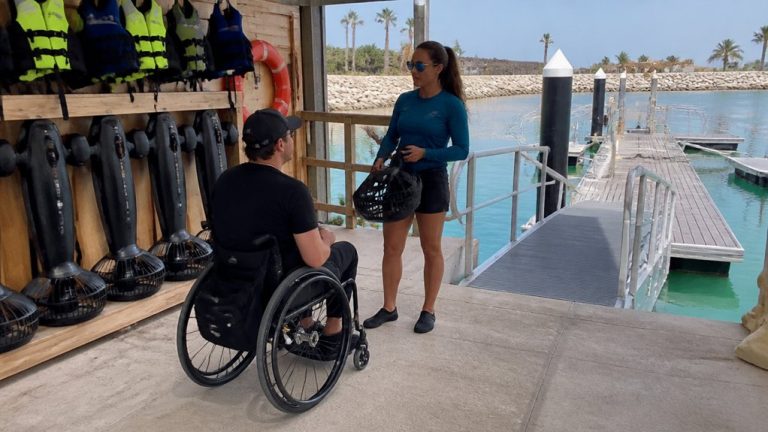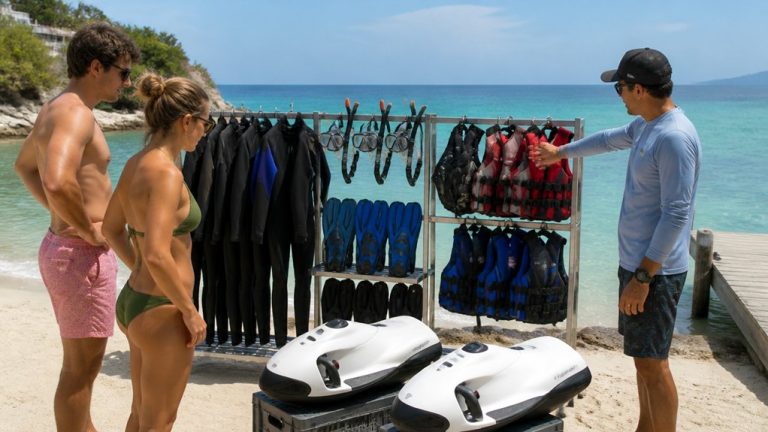

When you buy a sea scooter tour ticket, you’re not just paying for a spin in the water. You’re covering the guide who keeps your small group on track, the safety briefing on throttle control and hand signals, and the fitted wetsuit and life jacket that keep things smooth. You also get the scooter itself, usually with GoPro mounting and a few photo chances. The price starts to make more sense once you see what happens before you even hit the reef.
Key Takeaways
- Standard tickets usually include the sea scooter, safety briefing, fitted flotation gear, and a guided small-group snorkel.
- Higher prices reflect equipment maintenance, charging, repairs, and extra staffing for safety checks and instruction.
- Trained guides supervise scooter use, monitor ocean conditions, and provide reef education throughout the tour.
- Many tours charge extra for photo packages, wetsuit rentals, upgraded scooters, hotel pickup, or private departures.
- You’re also paying for an easier experience, especially for beginners, with buoyancy support, guided routes, and camera help.
What’s Included in Sea Scooter Tour Tickets?
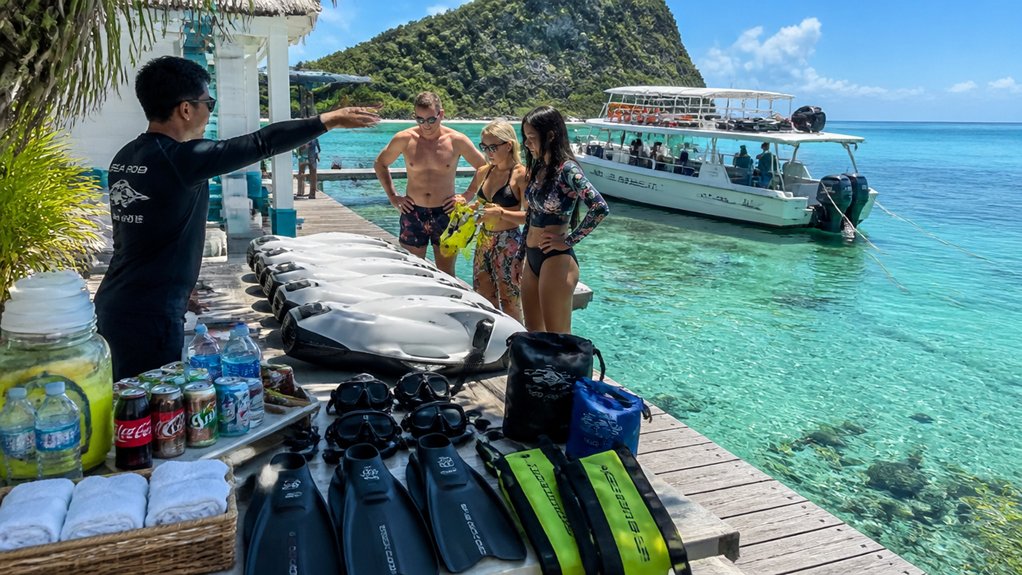
Usually, a sea scooter tour ticket covers more than just the ride. On a Sea Scooter Snorkeling Tour, you get sea scooters, a safety briefing, and a guided snorkel with trained guides who show you throttle control, hand signals, and smart ocean habits. You’re usually fitted with flotation wetsuits, life jackets, and sometimes Sharkbanz before you enter the water at Kapalua Bay or nearby Turtle Town. During the tour, you can skim over coral, spot sea turtles and tropical fish, and hook up your camera for GoPro photos or video. Some operators also add reef conservation touches, from reef-safe sunscreen reminders to education linked with the Hawaii Coral Institute. It’s part adventure, part floating classroom, and yes, the fish often steal the scene anyway. Most tours also follow a clear step-by-step process, so you know what to expect from check-in to getting back on shore.
Why Sea Scooter Tours Cost More
Because you’re not just renting a mask and fins, sea scooter tours cost more than a basic snorkel outing. You’re using a Sea scooter like the Yamaha 350LI, and that means higher equipment maintenance, charging, and repairs after every salty run. You also get premium safety gear, careful fittings, and strict briefings before you kick off from shore. On a guided tour in Hawaii Maui, trained guides lead small group sizes, watch conditions, and share guided education about reef conservation while you glide over lava rock and coral gardens. Those staffing costs add up fast. Safety-focused operators also include pre-ride briefings and rider screening to help make sea scooter tours safe before anyone enters the water. Weather can reshuffle schedules too, which raises per-person pricing. Even GoPro photos reflect the hands-on service level, not just a ride with bubbles and fish for the day.
Which Extras You May Pay For
Here’s where the menu of add-ons starts to creep in. You might pay extra for a photo package with HD shots or GoPro footage from your guided tour. Some operators can connect cameras, while you bring your own. A wetsuit rental, often a flotation suit, may run about $25. If you want an upgraded scooter, expect a surcharge for brighter lights and fancier grips on your sea scooter. Hotel pickup, private departures, or a group-to-private switch can raise the total too. Snorkel gear sanitation and some safety extras are usually included. Towels, guest cameras, and sometimes reef-safe sunscreen aren’t. Ask how coral reef preservation fees or donations are handled before you book anything at all. Small choices add up faster than a parrotfish darts. Before paying for optional upgrades, review the operator’s refund policy in case you need to cancel the tour.
How a Sea Scooter Snorkel Tour Works
Slip into the routine, and the whole tour starts to feel simple fast. You begin with a safety briefing, gear fitting, and Sea Scooter practice on hand signals and three-speed control. Then you walk straight into Kap alua Bay for a shore-based Snorkel Tour.
In the water, sea scooters like the Yamaha 350LI pull you smoothly past coral reefs and rocky points. Your guide keeps guided snorkeling organized and watches conditions the whole time. A flotation wetsuit helps if you want extra buoyancy, and Sharkbanz add peace of mind. Many scooters have a GoPro mount, so you can glide, duck down for short breath-hold dives, and still get the shot. Along the way, you also learn reef conservation basics and simple Leave It Better Than You Found It habits. In places like Waikiki, a Sea Scooter Adventure gives first-timers an easy way to explore clear coastal water with less effort.
Who Sea Scooter Tours Are Worth It For
Sea scooter tours really pay off if you want the ocean to feel bigger and easier at the same time. If you’re a beginner or one of many non-swimmers, flotation wetsuits and three-speed scooters help you glide without panic, while guides stay close during guided snorkeling. If you love reef exploration, a Sea scooter lets you cover long rocky points in two or three hours and reach spots known for turtle sightings and bright fish. If eco-conscious conservation matters to you, some tours add reef education, monitoring, and restoration work. If you’re chasing GoPro footage, guides often mount cameras and grab slick clips, though bringing your own is smart. Given typical prices around $149 to $193, you’ll feel the value most when confidence, range, or keepsakes matter. On an Oahu sea scooter tour, beginners can generally expect a guided experience that makes underwater exploring feel more approachable.
Frequently Asked Questions
What Is the Cancellation and Refund Policy for Sea Scooter Tour Tickets?
You’ve got booking flexibility within refund timelines and cancellation windows: cancel 24+ hours early for refunds. Last minute cancellations, nonrefundable deposits, partial reimbursements, credit vouchers, and group refunds aren’t offered. Operator liability excludes force majeure.
How Far in Advance Should I Book a Sea Scooter Tour?
You should book 10–14 days ahead; for peak months, seasonal demand, holiday planning, group bookings, and limited online availability, book 3–4 weeks early. Watch advance discounts, last minute deals, cancellation windows, and booking flexibility too.
Are There Age, Weight, or Health Restrictions for Participants?
Yes, you’ll face age limits, weight limits, pregnancy restrictions, and fitness standards; you may need medical clearance for preexisting conditions. Ask about mobility accommodations, pediatric requirements, pediatric supervision, and senior considerations before booking operators on tours.
What Happens if Bad Weather Affects the Scheduled Tour?
If skies turn uncooperative, you’ll face weather delays or tour cancellations after safety assessments; you’ll get communication protocols, alternative dates, refund options, no rescheduling fees, standby lists, liability coverage, and emergency procedures guidance from crews.
Can I Bring My Own Camera or Waterproof Phone Case?
Yes, you’ll bring camera or waterproof phone case for underwater photography; verify device compatibility, case seals, phone mounting, operator policies, privacy concerns, insurance coverage, image stabilization, and pack an action camera plus waterproof accessories carefully.
Conclusion
If you’ve wondered whether sea scooter tickets are just a pricey ride, the theory doesn’t hold up. You’re paying for real value: trained guides, safety checks, fitted gear, and machines that hum through clear water while reefs flicker below your mask. Extras can raise the bill, sure. But when you glide past coral heads, hear your guide’s quick signals, and stay warm in a snug wetsuit, the cost starts to make practical, splashy sense for most travelers.