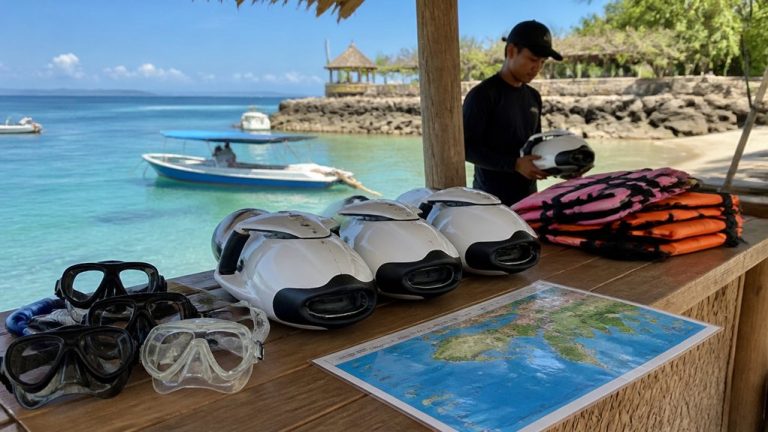
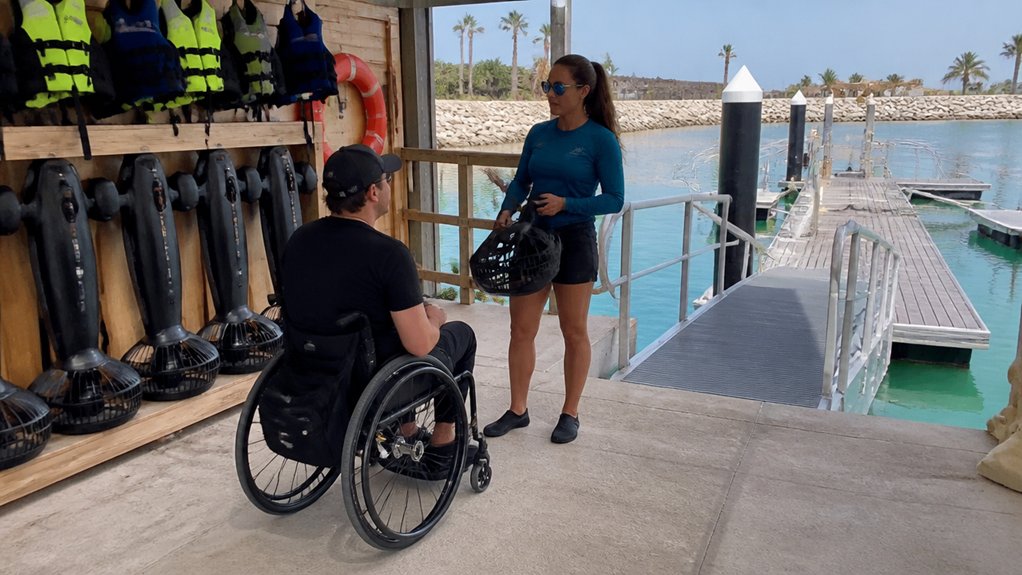
Before you book a sea scooter tour, ask what your body and gear will need to do from curb to water. You might face a narrow gangway, a bouncing tender, wet steps, or a helmet-style dive rig that feels more sci-fi than snorkel. Check size limits, transfer help, life jackets, and where your wheelchair or scooter will go. The fun starts with the right questions, and a few answers can change everything.
Key Takeaways
- Ask age, height, weight, health, and experience requirements, including whether the tour is full-immersion or helmet-style.
- Confirm staff certifications, safety briefing details, life jackets, snorkel gear, wetsuit tops, and one-on-one in-water guidance.
- Verify boarding method, port or tide access limits, coach lift availability, and weather contingency plans that could change access.
- Check whether wheelchairs or scooters are allowed, their size and battery limits, tie-downs, and staffed storage options.
- Clarify who assists with boarding, lifting, and device handling, and whether a travel companion is required for support.
Is This Sea Scooter Tour Accessible for You?

Before you book, check whether the sea scooter tour truly fits your body, comfort level, and support needs.
Start with accessibility: ask about age requirements, height limits, and health requirements before you picture yourself underwater. Some rides welcome kids 10+ with a guardian, while others suit ages 16+ or certified divers. Ask whether your sea scooter ride means full immersion or a helmet-style entry. Be sure to ask about the weight limit too, since sea scooter tours often have specific rider guidelines for safety and comfort.
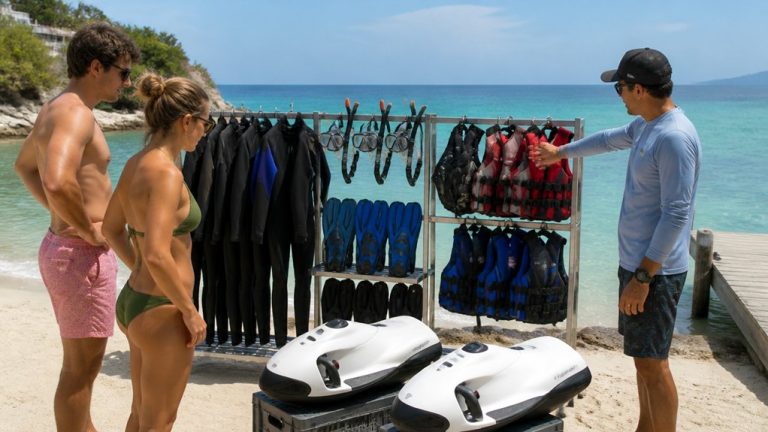
Then confirm staff support and safety equipment. You want certified guides, life jackets, snorkel gear, wetsuit tops, and clear briefing and training. Ask about emergency procedures, quick-release demos, shutoffs, buddy rules, and depth limits. If you use mobility devices, check storage, special-assistance notice, and whether assistive transfers are available. That little homework can save you stress and boost confidence fast.
What Transfers and Surfaces Will You Handle?
Even if the sea scooter part sounds easy, the path to the water can be the real test. Ask how your transfers actually happen. Will you roll down a gangway, or board by Zodiac or another small landing craft? A Zodiac can’t carry a wheelchair or scooter safely, and it has no tie-downs.
Next, ask about the port itself. Some piers and tides make gangway use tricky or impossible. Ala Wai Harbor departures may involve harbor access conditions that change with dock layout and timing. If a coach is part of the outing, confirm whether it has a lift. If not, ask whether your scooter needs stowage in the luggage bays and who handles loading. Driver help varies, and some operators expect a travel companion. Finally, ask for contingency plans. Weather and port changes can rewrite the whole route fast.
Will Your Wheelchair or Scooter Fit on Board?
Getting to the dock is only half the puzzle. Before you book, compare your wheelchair or scooter’s folded and open size with the vessel’s aisle, doorway, and storage dimensions. Ask whether the stowage space fits the full footprint, not just a hopeful sketch.
If shore access uses Zodiac tenders, check whether mobility devices are barred and whether a gangway, pier, or boarding lift will be used instead. Confirm if it can ride in onboard storage or a coach luggage compartment, with tie-downs if needed. Ask whether hallways and cabins ban parking, or if an accessible cabin offers dedicated space. Finally, verify your SRI (special requirements) was received, and note any weight or battery restrictions. Small measurements matter when edges, salt air, and timing collide. For tours with timed boarding, ask about check-in time so staff can coordinate accessible boarding without a last-minute rush.
What Assistance Can Staff Actually Provide?
Expect hands-on help with the parts that make the tour run safely and smoothly. You’ll get safety briefings, helmet or SeaBob fitting, hand-signal lessons, and one-on-one maneuvering assistance once the scooters hit the water. Staff assistance also includes boarding help, scooter operation basics, and required gear like life jackets and wetsuit tops.
While you glide over clear water and hear the boat bump softly nearby, trained guides keep watch and can act fast during emergency procedures, including shutdown release, buddy separation, and recovery to the boat. Many operators explain what happens step by step before launch so you know how the tour will unfold from briefing to return. What they usually can’t provide is continuous medical care or full personal mobility assistance. Ask ahead about storage restrictions too. Personal scooters often can’t ride on Zodiacs or sit in hallways, and heavy lifting or tie-down help may be limited onboard.
Frequently Asked Questions
Can I Bring a Caregiver or Companion on the Tour?
Yes, you can often bring a companion if you confirm companion policies, caregiver accommodations, companion seating, seating arrangements, transportation assistance, booking waivers, additional fees, caregiver training, emergency protocols, and role expectations before booking with the operator.
Are Accessible Restrooms Available Before or After Departure?
Yes, ask if shore facilities offer accessible pathways, changing rooms, and restroom signage before or after departure; confirm restroom distance, restroom staffing, restroom lighting, restroom cleanliness, restroom maintenance, and restroom notifications so you can plan confidently.
What Medical Information Should I Share Before Booking?
Right off the bat, share mobility limitations, medication schedules, allergy alerts, breathing conditions, cardiovascular history, recent surgeries, pregnancy status, implant devices, seizure disorders, and diabetes management, so you’ll book safely and get proper support early.
How Do Weather Conditions Affect Accessibility on Tour Day?
Weather can limit your tour-day accessibility: you’ll need safe wind speed, wave height, visibility conditions, tidal currents, water temperature, precipitation forecast, lightning risk, swell direction, sea state, and fog formation before operators confirm boarding assistance.
Are Service Animals Permitted on the Vessel?
Yes, you can usually bring a service animal aboard if you confirm transport policy, onboard seating, leash requirements, ADA compliance, certification proof, animal behavior, space accommodations, sensory considerations, health exemptions, and service documentation beforehand directly.
Conclusion
Ask these questions before you book, and you won’t be left staring at a gangway like it’s Mount Everest in flip-flops. You’ll know if the helmet ride means full immersion, if your chair fits the aisle, and whether staff can actually help with transfers. Picture the details: wet decks, narrow doorways, salty wind, the thrum of a tender. A few smart questions can turn a shaky maybe into a smooth, sea-blue yes for your whole crew.