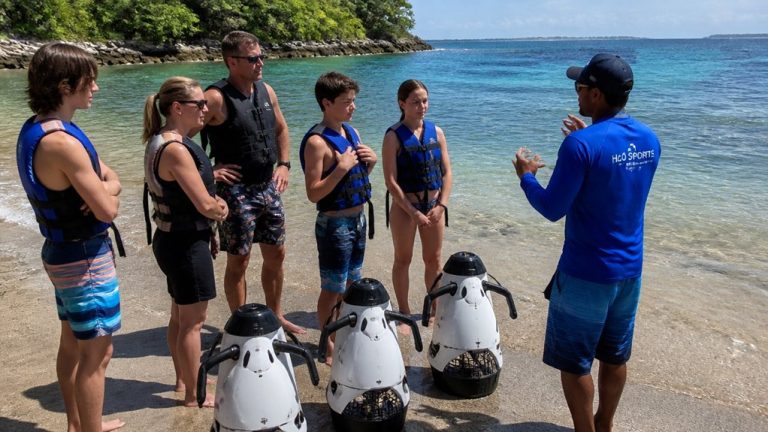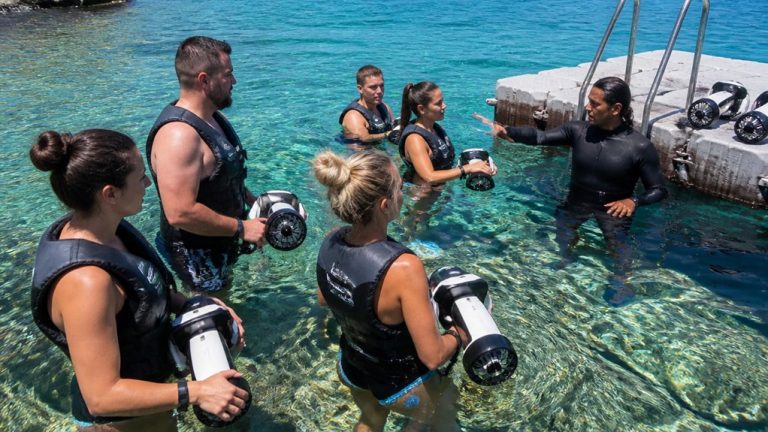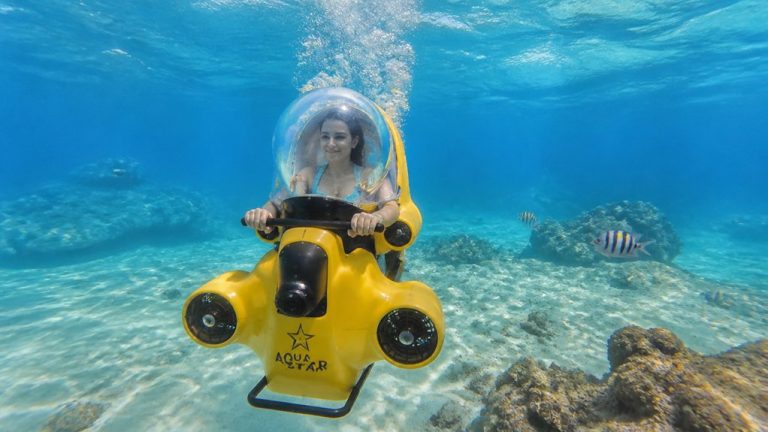
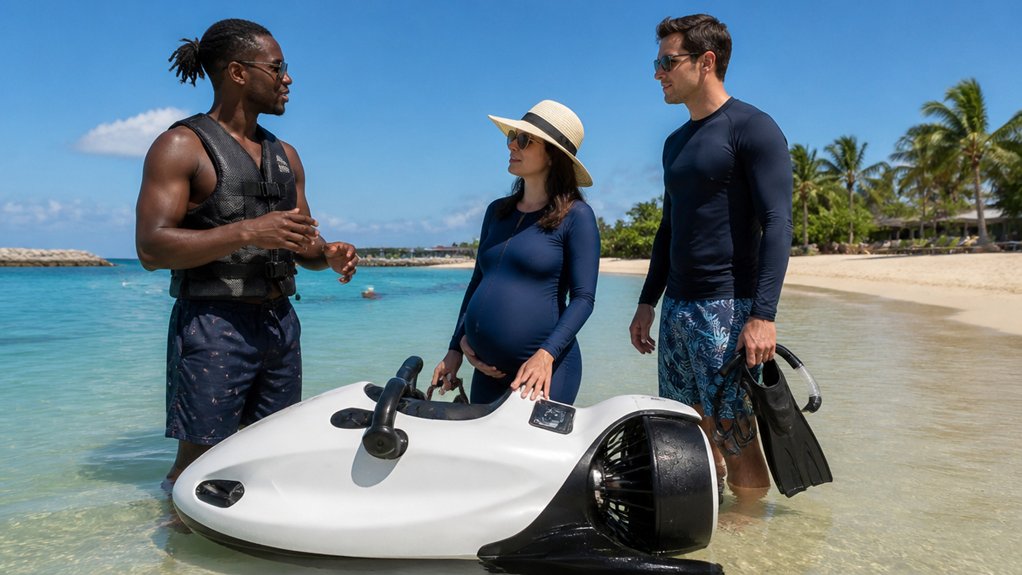
Just as your bump starts to show, that glossy sea scooter tour may pop up on your Bora Bora wish list. You can picture the warm spray, the motor’s soft whir, and bright fish flashing below, but pregnancy changes the math in ways many operators take seriously. Some tours ban pregnant guests outright, while others want a doctor’s note and calm water, and that’s where the real planning starts.
Key Takeaways
- Most sea scooter operators prohibit pregnancy, so check written booking, health, and safety policies before paying.
- Only consider participation with recent OB or midwife clearance and calm, shallow water with easy exits.
- Skip the tour for high-risk pregnancy, bleeding, fluid leakage, contractions, chest pain, dizziness, or reduced fetal movement.
- Pregnancy increases breathing demands and balance issues, while ladders, wet decks, tight gear, and bouncy boats add risk.
- If approved, choose a short, gentle morning outing with flotation support, attentive guides, and flexible cancellation policies.
Can You Take a Sea Scooter Tour While Pregnant?
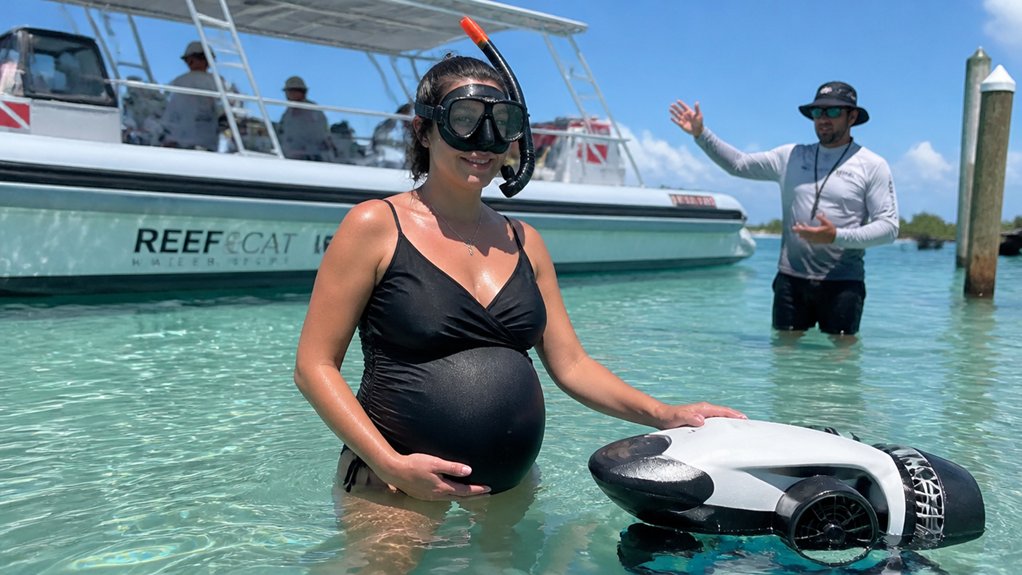
Planning a sea scooter tour while pregnant calls for extra caution, and in many cases the answer is simply no. Most operators won’t allow pregnant guests, even for surface rides, so you should ask before you pack your reef shoes. If your clinician says yes, treat it more like snorkeling during pregnancy than an adventure sprint. Pick calm, shallow water with easy exits, flotation support, and a short schedule. You want attentive guides, a stable boat, and room to stop the moment you feel hot, breathless, or tired. Sea scooter safety also depends on operator rules, water conditions, and how closely guides monitor each rider throughout the tour. Skip the tour entirely if you have bleeding, contractions, placenta or cervical concerns, severe anemia, high blood pressure, or heart or lung disease. When in doubt, choose shore, shade, and fish watching instead that day there.
Why Are Sea Scooter Tours Usually Prohibited?
Although sea scooter tours look smooth and easy from the boat, operators usually ban pregnancy for a few practical reasons. Once you head underwater, propulsion and quick movement can expose you to sudden pressure changes, which raises concern about gas bubbles and possible fetal harm. Guides also know emergencies happen fast. If you feel dizzy, tired, or faint, pregnancy can make controlled ascents, exits, and evacuations harder. Many tours require wetsuits, full immersion, and slippery platform entries. Add ladders, waves, and boat rocking, and the setup gets awkward fast. Even if you can Snorkel While Pregnant on some trips, sea scooters bring extra strain and logistics. Insurance rules, safety standards, and operator policies often treat pregnancy as a no-go, especially far from medical care. Some operators also enforce weight guidelines for sea scooter tours, which can further limit participation when safety gear, balance, and boarding conditions are considered.
Which Pregnant Travelers Should Skip the Tour?
If your pregnancy has any red flags, this is one ocean outing to skip without debate. You should sit out any sea scooter tour if you have placenta previa, a recent cervical cerclage, a high risk pregnancy, or a history of preterm birth with current complications. women should avoid these excursions when an OB or midwife says no to water exertion or travel.
You also shouldn’t go if you have uncontrolled blood pressure issues, significant anemia, unstable heart or lung disease, or severe dizziness. No recent medical clearance where the operator requires it? Stay ashore. Skip the tour too if the company demands long breath holds, tight wetsuits, steep boat ladders, or a bouncy ride that turns boarding into a slapstick scene for you. Even if the operator says swimming skills are not required for a sea scooter tour, pregnant travelers with any balance, stamina, or water comfort concerns should still skip it.
Which Symptoms Mean Do Not Go?
If you notice bleeding, leaking fluid, contractions, or sharp pain, don’t board the boat and don’t try to push through it. If you’re short of breath, dizzy, or you’ve fainted recently, the mask, fins, and ladder can turn a pretty reef stop into a shaky scene fast. Your best move is simple: sit this one out and call your clinician before the sea, spray, and engine buzz tempt you otherwise. Even if your symptoms seem mild, comfort tips matter because getting in and out of the water can be more demanding than it looks.
Bleeding Or Fluid Leakage
While a sea scooter tour promises clear water, reef views, and that quiet electric hum beneath the surface, any vaginal bleeding or fluid leakage means you shouldn’t go. Even spotting matters. Before booking or boarding, get immediate medical advice.
- Fresh bleeding in the first trimester can point to miscarriage or ectopic pregnancy.
- New bleeding, cramping, or watery discharge later on can signal placenta previa, abruption, or preterm rupture.
- A gush or steady trickle of clear or colored fluid may be amniotic fluid, so stop, get out, and call staff plus your OB, midwife, or emergency services.
If anything unexplained starts before or during the tour, postpone the adventure. Reefs can wait. Your pregnancy can’t. Salt spray and coral shimmer will still be there tomorrow. If you are in Hawaii, choose a beach with trained lifeguard coverage whenever possible, since lifeguards can save lives in an emergency.
Breathing, Dizziness, Or Fainting
Although the water may look calm and the scooter may glide with that easy electric buzz, don’t go or keep going if you feel truly short of breath, start breathing fast and can’t settle it, have chest pain, or get sudden dizziness, near-fainting, or fainting. Pregnancy raises your oxygen needs, and even a simple snorkel can suddenly feel like work. On a sea scooter tour, you should still be able to breathe normally while riding, so any unusual breathing trouble is a sign to stop. If dizziness hits, get out right away and sit or lie down. Sip water. Cool off. Ask the crew for help. Fainting in or near water is an emergency because drowning risk rises fast, no matter how postcard-blue the bay looks. If breathlessness, palpitations, syncope, or unexplained episodes keep happening during pregnancy, skip the tour until your obstetric provider clears you. Better safe today.
Contractions Or Severe Pain
A calm bay and a quiet electric scooter can make everything feel easy, but contractions or severe pain change the plan fast. If you feel regular tightening, especially contractions more than 4 to 6 times an hour or growing stronger, don’t launch. Call your provider.
- Severe abdominal or pelvic pain that won’t ease with rest or a position change means you skip the tour and get checked now.
- Any bleeding, a gush of fluid, or a sudden drop in fetal movement cancels the outing immediately.
- If you’ve had preterm labor, placenta previa, placental issues, or a recent cerclage, even mild contractions or pain mean no sea scooter today.
First-time rider questions in a Sea Scooter Tour FAQ can help with general planning, but symptoms like these are not something to troubleshoot on your own.
Think of it as smart trip planning. The ocean can wait. Your body shouldn’t have to.
Does Your Trimester Change Tour Risk?
Yes, your trimester can change how a sea scooter tour feels and what’s wise. In the first trimester, you may tire fast or feel a little wobbly, while the second often brings steadier energy that makes a short, gentle ride seem far more manageable. By the third, your belly, balance, and stamina can turn calm water into trickier terrain, so shorter outings and extra caution matter even more. If you feel anxious about trying one, a calm confidence mindset and a beginner-friendly pace can make the experience feel more comfortable.
First Trimester Considerations
If you’re in the first trimester, your sea scooter risk can change in small but important ways. First trimester fatigue, nausea, and dizziness can sneak up fast, especially with salt air, bright glare, and the tug of water around your body. You may feel breathless sooner too, so keep your pace conservative.
- Choose a calm, short tour with flotation support, easy exits, and freedom to sit out.
- Skip any breath-hold dives or deeper submersion. Surface use doesn’t add decompression risk.
- Get written medical clearance before booking, especially if you have bleeding, cramping, a history of miscarriage, or other conditions.
Ask specific accessibility questions about boarding help, flotation options, exit ease, and whether you can stop early if needed. If symptoms flare, don’t push through. A shorter outing, or no outing, can be the smartest travel move. The ocean will still be there tomorrow, sparkling patiently for you.
Second Trimester Tolerance
Finding your groove often gets easier in the second trimester, and for many travelers this is the sweet spot for a sea scooter tour. In the Second trimester, you may feel steadier, less queasy, and more game for gliding over water and hearing the motor hum below you. Still, your body works harder now. Blood volume rises, oxygen demand climbs, and long pushes can wipe you out fast. Keep in-water time short, around 15 to 25 minutes. Choose calm seas, easy boarding, and ladders so entries feel secure. Many operators ask for medical clearance, and they’ll want no bleeding, placenta or cervical concerns, or uncontrolled hypertension. A typical sea scooter tour often follows a step-by-step flow, including a safety briefing, gear fitting, entry help, and a guided ride, which can make pacing and exits easier to plan in advance. Wear flotation, sip water, avoid heat, and stop immediately if dizziness, breathlessness, cramping, or decreased fetal movement appear.
Third Trimester Limitations
By the third trimester, that easy second-trimester rhythm often gives way to a tighter margin for error on a sea scooter tour. Your belly changes balance, so boat ladders, wet decks, and splashy entries can feel like a small obstacle course.
- Third trimester fatigue hits faster, and higher oxygen demand can make even gentle surface cruising feel surprisingly hard.
- Many operators won’t allow pregnant riders at all, so check rules early and get medical clearance before you pack your towel.
- If your clinician says yes, keep sessions short, choose calm seas, use flotation, skip bends, and stop for pain, bleeding, dizziness, or contractions.
- Some companies also enforce age limits and family safety rules, which can further shape how tours are run and who is allowed to participate.
Late-pregnancy concerns like preterm labor, placenta problems, and far-off emergency care often make skipping the tour the smarter adventure this time.
How Is a Sea Scooter Tour Different From Snorkeling?
How does a sea scooter tour really compare with snorkeling when you’re pregnant? An underwater scooter doesn’t just help you look around. It actively pulls you through the water, usually with handles, gear, and brief submersion. Snorkeling is simpler. You stay on the surface, face down, and can pause, float, or head in right away.
That difference matters. Sea scooter tours often involve guided dips, steadier balance, and more effort than an easy snorkel over coral gardens and flashing fish. Many first-timer guides emphasize learning the boarding process and basic underwater scooter handling before the tour begins. You may also need to board from a boat or step onto a hydraulic platform, which adds more chance of slips or awkward movement. Many operators ban pregnant guests for those reasons. Snorkeling is often treated as the gentler option, especially with medical clearance, calm water, and easy shore access.
Why Can Breathing Feel Harder on the Tour?
Breathing can feel tougher on a sea scooter tour because pregnancy already makes your body work harder for air before you even slip into the water. Your oxygen needs rise, so even calm snorkeling while pregnant can feel surprisingly effortful.
- A snorkel narrows each breath, and a face mask can make every inhale feel a bit filtered and small.
- Kicking lightly or steering the scooter adds mild exertion, so you may notice faster breathing sooner than expected.
- Tight wetsuits or snug straps can squeeze your chest and belly, which makes full expansion harder.
- Following basic seasickness tips can also help, since nausea or motion discomfort may make breathing feel more strained and unsettled on the tour.
If you feel dizzy, lightheaded, short of breath, or have chest pain, stop right away and get checked. Your body isn’t being dramatic. It’s asking for backup under the bright surface.
Why Do Boat Entry and Exit Risks Matter?
Getting on and off the boat can be one of the trickiest parts of a sea scooter tour when you’re pregnant, especially if slick ladders or steep steps meet a shifting center of gravity. You can lose your footing fast on a wet rung or a bouncy raft, so calm water and steady boarding setups matter more than they might on a regular beach day. It also helps when the operator offers a hand, a seated entry, or an easy exit, because those simple details can spare you a shaky climb and an unplanned splash. Asking about check-in timing before your tour can also help you arrive early enough to board without feeling rushed.
Slippery Ladder Hazards
Even if the water looks calm and inviting, the sketchiest part of a sea scooter tour may be the boat ladder. A wet, narrow, or algae slick rung can feel harmless until your pregnancy-shifted balance turns one wobbly step into a real fall risk.
- Your center of gravity sits farther forward, so climbing down or up feels less stable.
- A hard slip can mean blunt abdominal impact, with worries like placental abruption, uterine injury, or preterm labor.
- Steep ladder repeats can leave you breathless and drained, especially later in pregnancy.
Before you book, ask exactly how guests enter and exit the boat. If the answer sounds awkward, that’s your clue. If you’re also driving in, sorting out Waikiki parking ahead of time can reduce extra walking and fatigue before you even reach the boat. Sea views aren’t worth playing acrobat today for one afternoon.
Safer Boarding Conditions
A smooth boarding setup can matter more than the sea scooter itself when you’re pregnant. On tours, boat entries and exits mean ladders, rocking decks, and slick steps. Your balance shifts forward, so one wet rung can feel like a prank from the ocean. Awkward climbs from small tenders can tug at your abdomen and pelvis, especially later on.
| Look for | Why it helps |
|---|---|
| Low steps | Easier footing |
| Stable platform | Less twisting |
| Beach launch | Fast exit |
Before booking, ask about assistive crew, boarding aids, and flexible sit-out policies. It’s also smart to review the tour’s refund policy in case pregnancy symptoms or rough conditions make boarding feel unsafe that day. In choppy seas, slow exits can leave you soaked, overheated, and dehydrated, which isn’t great for circulation or baby. Emergency exits matter too. Narrow ladders can delay help.
What Should You Ask Your OB First?
Before you book that sea scooter tour, ask your OB a few clear questions so you know whether this sounds like a smooth float over bright reef and gentle chop or a hard no for your pregnancy.
Before booking that sea scooter tour, ask your OB whether it’s a dreamy reef float or a firm pregnancy no.
- Ask if your pregnancy is low risk, and whether placenta previa, bleeding, preterm labor history, anemia, or hypertension make scooter use unsafe.
- Confirm which trimester you are in and whether your provider advises against snorkeling-like activities or recommends time limits and low exertion. Many clinicians find the second trimester safest, while third-trimester activity may be restricted.
- Ask about breath-holding, pulse limits, flotation, rough water, session length, stop signs, and whether you’ll need a recent doctor’s note and how insurance rules might shift once you’re officially traveling pregnant.
- Also ask whether rain conditions or bad weather would make the operator recommend going ahead or rescheduling the sea scooter tour.
How Do You Check Tour Pregnancy Restrictions?
Start with the tour operator’s own rules, not the dreamy reef photos. Read the website and booking page first. Many sea scooter tours flatly ban pregnant guests. Open the Health, Safety & Accessibility section too. Look for medical clearance rules, including whether they want a doctor’s note dated within six months. If the site also explains departure location details for Waikiki tours, use that page to confirm whether the boarding setup could affect comfort or access during pregnancy.
| Check | Why it matters |
|---|---|
| Written pregnancy policy | Some operators clearly say pregnant guests aren’t allowed. |
| Safety section | You may spot medical note deadlines or check-in disclosure rules. |
| Boat details | Bouncy rides, ladders, wetsuits, and launches can trigger restrictions. |
Then make direct contact to your operator or booking agent before you pay. Ask about gestational limits, insurer paperwork, and whether they can deny boarding if you arrive without clearance.
What Should You Confirm Before Booking?
Even if the water looks flat as glass and the reef photos are calling your name, confirm the practical stuff first. Before you pay, confirm your OB/midwife provides written medical clearance, dated within six months, for motorized sea scooter use.
- Verify the operator’s pregnancy policy. Some ban pregnant guests outright, while others allow you with a doctor’s note.
- Ask about sea conditions, reef depth, and boat style. You want calm water, shallow sites, and no bouncy raft rides.
- Check safety details and gear. Look for guides, easy ladders or platforms, lifejackets or snorkel vests, nearby medical care, and options like shorter fins or lighter flotation aids.
Also ask whether wetsuits are mandatory. Too much neoprene in tropical sun can feel like wearing soup there. If the operator allows pregnant guests, ask ahead about tipping etiquette so you can plan for the tour without any last-minute awkwardness.
Are Gentle Snorkeling Trips a Safer Alternative?
Gentle snorkeling can be the better swap if you still want that clear-water, parrotfish-gliding-over-coral moment without the extra demands of a motorized scooter tour. Think of it as one of those Water Activities you keep simple and light. For extra comfort, plan around the best time of day for calmer Waikiki sea conditions and an easier outing. Use a snorkel vest or even a pool noodle. Stay in calm, shallow water. Cap your time at 15 to 25 minutes, and choose a shore-based spot with easy exits, a guide, or a lifeguard nearby.
Your body already works harder in pregnancy, so don’t push for long swims or breath-hold dives. Pick a wider-bore snorkel, drink water, and guard against heat and sun. Skip bouncy raft trips. If you feel dizzy, short of breath, queasy, or tired, stop and head back to shore right away.
What Makes Snorkeling Lower Risk in Pregnancy?
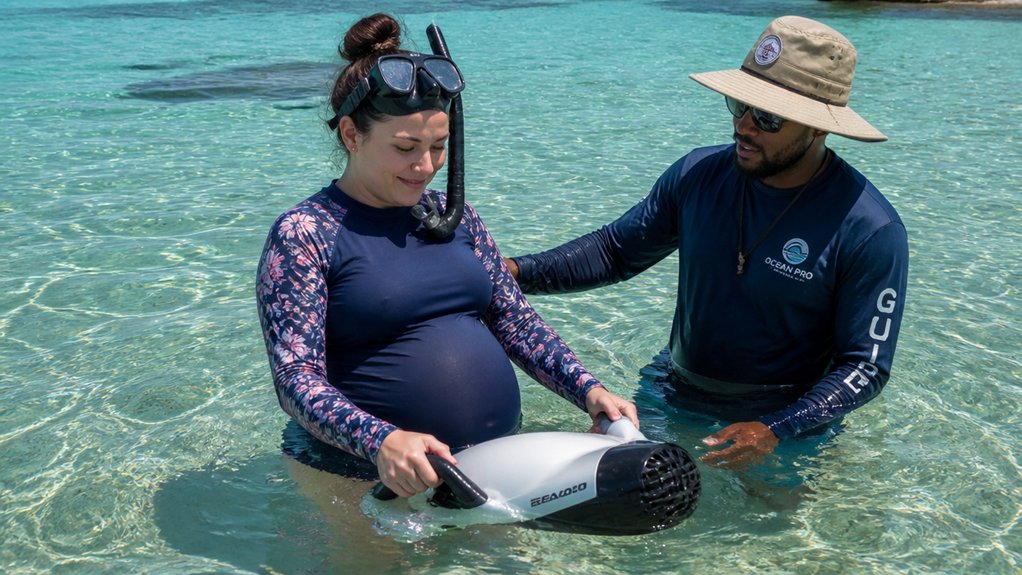
You stay at the surface when you snorkel, so you skip the depth pressure and decompression concerns that make scuba off-limits in pregnancy. You can keep the effort easy too, with the water holding some of your weight while you float over coral, hear your slow breathing, and move at a calm pace. Short sessions and simple flotation let you enjoy the clear shallows without turning the outing into an endurance test.
Surface Activity Advantage
Usually, snorkeling sits on the lower-risk side in pregnancy because it keeps you right at the surface, where there are no depth-pressure changes or decompression concerns like the ones tied to scuba diving.
That surface setup gives you a simpler day in the water. You can stay in calm shallow water, look down at darting fish and rippled sand, and head back fast if conditions change.
- You avoid the pressure shifts that come with going deep.
- You can pause, float, or use a snorkel vest if you want extra support.
- You can pick easy-entry spots with gentle water and clear exits.
A wider-bore snorkel can feel easier to breathe through, and skipping breath-hold dives keeps things more comfortable. Think of it as sightseeing with fins, not an underwater mission.
Moderate Effort Control
Because the goal is easy sightseeing, not a workout, snorkeling stays on the lower-risk side in pregnancy when you keep your effort light and steady. Think easy to moderate effort, where you can float, look down at silver fish, and breathe calmly. A snorkel vest, pool noodle, or the scooter’s buoyancy helps you glide instead of muscle through the water. Keep sessions short, around 15 to 25 minutes, then rest. Pick calm, shallow water with simple beach entries, not ladders or slippery rocks. Skip breath-holding, sprinty fin kicks, and anything that leaves you puffing. Pregnancy raises oxygen needs, so listen to your body. If you feel dizzy, hot, nauseated, breathless, or notice palpitations, stop immediately. The reef will be there after a break.
No Depth Pressure
Another reason surface snorkeling feels gentler in pregnancy comes down to pressure, or really the lack of it. You stay at surface pressure, so your body isn’t dealing with depth changes, extra gas absorption, or the strange physics that make scuba risky.
- You don’t descend and rise, so concerns about nitrogen bubbles and fetal decompression sickness don’t apply.
- You keep breathing normally at the surface, not pushing through the heavier respiratory load of deeper water.
- You also skip rapid pressure shifts that can bother ears and sinuses, which is one less vacation plot twist.
With a sea scooter floating you face-up in calm, shallow water, the whole outing feels more like gliding over a bright aquarium than managing a dive plan for the day.
Which Bora Bora Water Activities Are Safer?
Often, the safest Bora Bora water plans in pregnancy are the simplest ones. In calm water, guided shallow lagoon snorkeling usually feels gentler than a sea scooter tour or scuba trip. You can float, stop anytime, and keep your effort light while you watch blue starfish, coral heads, and lazy rays glide below. Shore-based floating and easy wading also keep things simple. Operators often ban pregnant guests from motorized underwater scooters because cramped seating, sudden jolts, and awkward exits can create problems. Scuba is off the list in pregnancy too. If anything feels tiring, especially later in pregnancy, skip the engine noise and choose the quiet lagoon instead. Then ask your obstetrician what fits your trimester and energy best today for this island outing.
How Can You Choose a Low-Risk Ocean Outing?
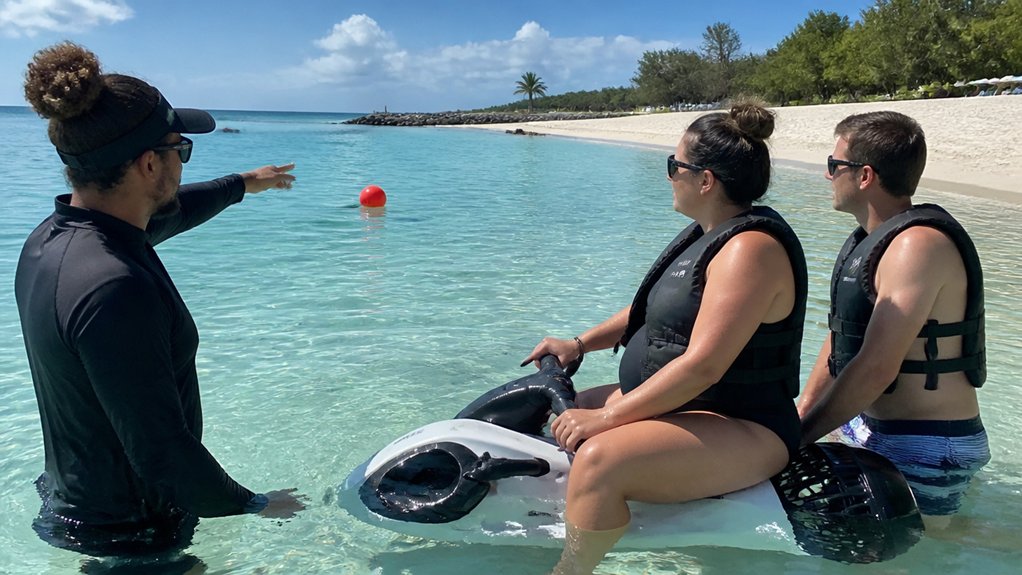
The best ocean outing in pregnancy usually looks calm, short, and easy to step away from if your body asks for a break.
Look for calm, shallow sites with lifeguards, firm entries, and exits that won’t turn slick under your sandals. Ask operators if you can sit out anytime, wear a nonrestrictive wetsuit, and use a flotation device.
- Pick guided sessions that keep in-water time around 15 to 25 minutes.
- Skip rough boat rides, strong currents, big waves, long surface swims, duck-dives, and breath-holding.
- Check emergency access, bring medical clearance if needed, and don’t go with bleeding, leaking fluid, preterm labor signs, placenta issues, or serious conditions without your provider’s okay.
If a plan sounds pushy, that’s your cue to beach-chair it for a quiet shoreline stroll.
Frequently Asked Questions
Can My Partner Ride While I Stay on the Boat?
Yes, your partner often can ride while you stay on the boat, but you should confirm operator rules. Safety considerations include seating, shade, flotation, restroom access, boarding, medical clearance, and emergency plans if symptoms start.
Are Refunds Available if Pregnancy Is Disclosed After Booking?
Like a door suddenly closing, you might get a refund after Late disclosure, but it depends on the operator’s pregnancy policy. If terms forbid riding, you likely won’t qualify; doctor’s notes or insurance can help.
Can I Bring a Child Who Is Under 16?
Yes, you can sometimes bring a child under 16, but Age restriction rules usually let them ride only as passengers with you. You’ll need operator approval, check-in consent, swim ability, and minimum-age confirmation before booking.
Are Underwater Photos or Videos Included in the Tour?
Yes, you’ll often get complimentary underwater photos or videos, but Photo availability varies by operator. You should confirm inclusions when booking, ask about delivery timing, and make sure any photo setup won’t require extra exertion.
What Should I Wear if I Join Only as an Observer?
Dress like the sun’s on a mission: wear a swimsuit under a light cover-up for Comfortable coverage, add a wide-brim hat, rashguard, reef-safe sunscreen, and closed-heel water shoes. Bring a towel, jacket, and water bottle.
Conclusion
If you’re pregnant, treat a sea scooter tour like a tiny rocket ride in a postcard lagoon. It may look smooth as glass, but rules, waves, boarding steps, and your own energy can change fast. You’re usually better off choosing a short, calm snorkel near shore with a good guide, a snug float vest, and an easy boat ladder. Call ahead. Ask blunt questions. If your body whispers no, listen before the lagoon shouts with chop and spray.