Before you zip over Hawaii’s reefs on a sea scooter, you need a few habits that protect what you came to see. Keep clear of coral heads, give turtles plenty of room, and ease off the throttle when the bottom rises close and the water turns glassy blue. Enter through sandy lanes, watch your fins, and follow your guide’s hand signals. The smallest choices change what the reef does next.
Key Takeaways
- Keep 6–10 feet from coral and at least 10 feet from sea turtles, giving more space if wildlife changes direction or flees.
- Ride at walking pace near reefs, using gentle throttle bursts and keeping the scooter nose slightly up to avoid prop wash damage.
- Maintain neutral buoyancy and stay 1–2 feet above coral, keeping hands, fins, cameras, and scooter clear of the reef.
- Never touch, chase, feed, or circle marine life; approach calmly from the side and let animals choose whether to come closer.
- Follow guide signals, use designated sandy entry and exit areas, and cut throttle immediately when told to stop or hold position.
Know Hawaii Reef Rules Before You Ride
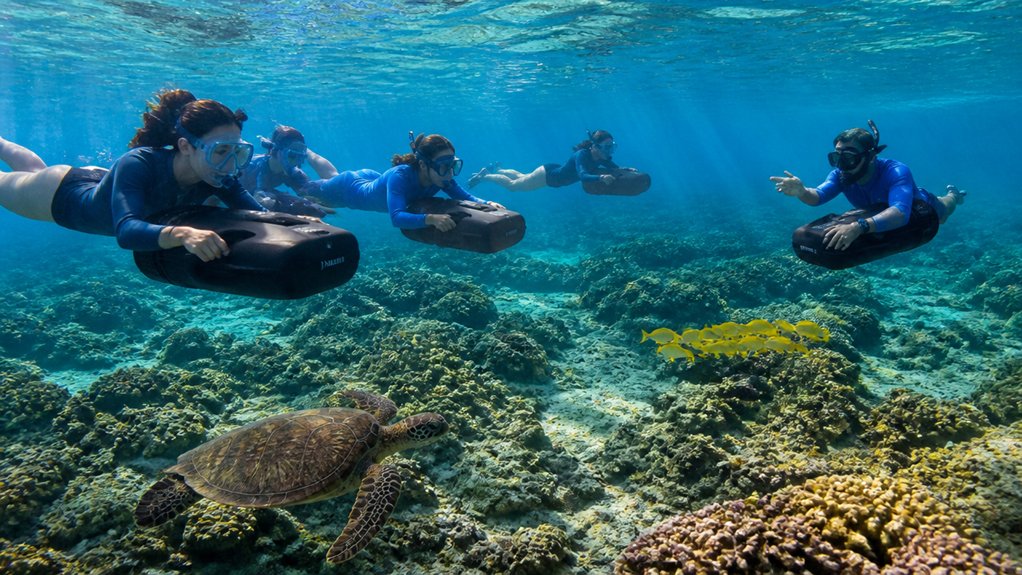
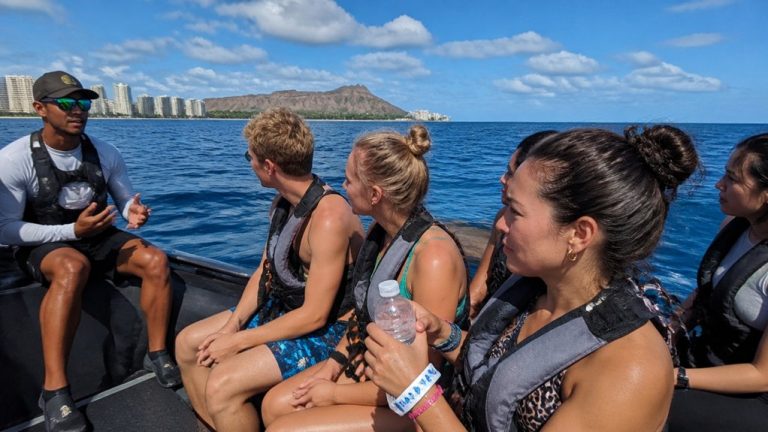
Before you zip off on a SeaBobs tour, take a minute to learn the reef rules that keep Hawaii’s underwater world bright and alive. On a Sea Scooter Tour, you’re a guest over coral reefs, not a stunt driver. Keep 6 to 10 feet from coral and never tap it with fins or your scooter. Even a quick bump can scar fragile, slow-growing structures.
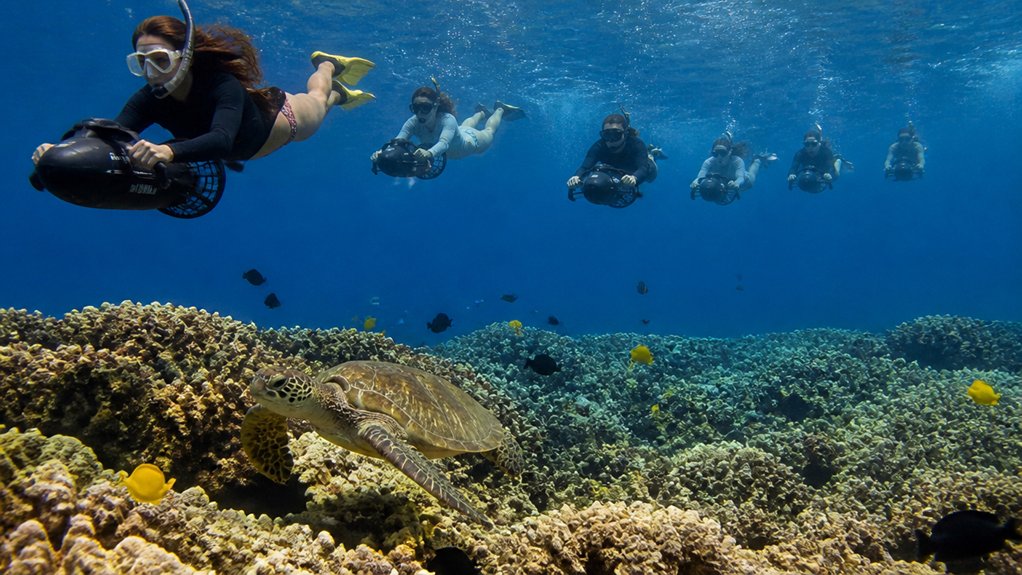
Ride slow above reef zones and keep neutral buoyancy so you don’t kick up sand or blast coral with prop wash. If sea turtles glide by like mellow locals, give them at least 10 feet and let them choose the moment. Hawaii’s sea turtle etiquette also emphasizes keeping your distance so turtles can rest, feed, and surface naturally. Don’t chase, feed, or touch them. Follow your guide’s route, signals, and depth limits, and always yield to marine life.
Pack Reef-Safe Sunscreen and Smart Gear
Good reef manners start with what you pack, and your sunscreen leads the list. Choose reef-safe sunscreen with non-nano zinc oxide or titanium dioxide, and put it on at least 15 minutes before you enter the water. That timing cuts chemical runoff and helps protect Hawaii’s living color. For Hawaii ocean outings, reef-safe sunscreen helps reduce the impact of harmful chemicals on delicate marine ecosystems.
A lightweight rash guard or wetsuit top means less lotion and more comfort during full immersion. If you bring Snorkel gear, make sure your mask and fins fit well, so you won’t fuss with them in the water. Pack a small dry bag or waterproof phone case so your camera stays dry on the boat. Leave jewelry and loose plastics ashore, and tie back long hair with a reef-safe tie for cleaner, calmer riding too.
Keep Your Sea Scooter Off Coral
When you ride near a reef, give coral a clear 3 to 4 feet of space and keep your scooter gliding calmly instead of buzzing too close. You’ll protect those rough little towers and waving fans by using a low speed, staying over sand channels, and skipping sudden turns near the edge. Most of all, don’t let your hands, fins, camera, or scooter touch coral because even a quick brush can do more harm than you’d think. And if you spot sea turtles nearby, keep a 10 feet viewing distance in the water so your tour stays respectful as well as reef-safe.
Maintain Safe Distance
For reef-safe riding, keep a clear 3 to 4 foot buffer between your sea scooter and any coral structure, even if the reef looks sturdy from a distance. On Hawaii tours, that little gap protects fragile polyps and keeps underwater exploration smooth for everyone using sea scooters. Respectful underwater filming of sea turtles also means keeping your distance so you do not disturb their natural behavior.
- Stay above the coral shelf and inside your guide’s marked channel.
- Never rest, push off, or park your scooter on live coral.
- If visibility drops or you wobble, stop and signal your guide.
Coral may look like rock, but it’s living tissue with a surprisingly delicate surface. Give it space, keep your scooter’s nose slightly up, and let the reef pass beneath you like a museum floor with no touching. Your photos will still look amazing there.
Control Speed Carefully
Usually, the best reef speed feels almost surprisingly slow, about walking pace or less, so you can turn or stop before a coral ledge fills your view. Think 1 to 3 mph, not thrill ride mode. Even though SeaBobs can move faster, you shouldn’t use that power anywhere near reef edges.
As you approach marine life or a drop-off, ease to idle and listen for the softer whir of the scooter. Use short, gentle bursts instead of a long squeeze on the throttle. That keeps wake down and helps currents from nudging you off line. Keep the nose and prop pointed away from the bottom, stay about an arm’s length from coral, and match your guide’s pace. They’re protecting the route and the reef. On many sea scooter tours, your guide will demonstrate safe speed control and stopping techniques before you begin moving over the reef.
Avoid Reef Contact
Always treat the reef like living glass and keep your SeaBob at least an arm’s length away, about 3 feet or 1 meter, even if the coral looks rock solid from a distance. Fragile polyps scrape easily, so use gentle throttle and let your scooter hover at walking speed instead of blasting thrust.
- Approach from open water and stay on your guide’s path.
- Never rest, kick, or push off coral with your hands, feet, or scooter.
- If current builds or visibility fades, rise a little and wait it out.
That buffer protects bright knobby colonies, keeps sediment from puffing over them, and saves you from surprise outcrops. When in doubt, idle, breathe, and admire the reef without touching nature’s oldest city for good measure. Keep your distance from any passing wildlife too, since sea turtles should be observed from at least 50 yards away.
Stay Back From Turtles and Reef Fish
Even when a turtle seems calm and curious, give it room and let it decide the distance. In Hawaii, you should stay at least 10 feet away from turtles so they can rest, surface, and breathe without pressure. This matches NOAA guidance for respectful viewing distance around sea turtles in Hawaiʻi. Don’t chase, touch, or feed them, and give reef fish the same respect. Touch can strip protective mucus, while snacks teach bad habits fast. From sea scooters, watch for clues. If a turtle turns away, tucks its fins, or speeds up, you’ve drifted too close. If reef fish vanish into coral heads, back off. Keep your hands, fins, and scooter nose clear of coral and sand too. The less you crowd the scene, the more natural it looks, for everyone involved out there today in the water.
Slow Down Near Reefs and Wildlife
When you cruise in close to coral or wildlife, ease your SeaBob down to a slow, steady pace so you don’t kick up sand, clip the reef, or send fish scattering. Give turtles and other animals room by approaching calmly from the side and stopping well back, because the best sightings usually happen when you don’t act like paparazzi. If you keep smooth control, hold your buoyancy, and follow your guide’s slow zones, you’ll see more of the reef’s color and motion without leaving a mark. On a Sea Scooter Tour Waikiki, this kind of reef etiquette also helps you better appreciate what you’ll see without disturbing the environment.
Maintain A Gentle Pace
Usually, the best reef rides happen at a gentle cruise, not full throttle. To maintain a gentle pace on underwater scooters, hover or cruise under 3 to 5 mph when you’re within 10 to 20 feet of coral or marine life. You’ll avoid collisions, keep prop wash low, and leave the reef looking as crisp as it did before you arrived. If anyone in your group has mobility concerns, asking accessibility questions before the tour can help your guide set a comfortable pace near reefs and wildlife.
- Cut your throttle and hold steady, especially near turtles or schooling fish.
- Descend and ascend gradually. Skip sharp turns so you don’t blast sediment onto coral.
- Keep a 3 to 5 foot buffer from live reef, and follow your guide’s speed limits, no-wake zones, and set paths.
Slow feels better underwater anyway. You notice more color, more texture, and fewer frantic fin flutters.
Give Wildlife Space
That easy pace gets even more important once a reef or a sea turtle comes into view. Ease down to a slow cruise, about walking speed, when you’re 10 to 15 feet away. Keep your scooter parallel to the reef so prop and body don’t nick coral underwater. On Oahu, sea turtles are a common highlight on sea scooter tours, so extra space helps keep these encounters calm and safe. Never chase, circle, or touch wildlife. If fish scatter or a turtle veers off, back away and pause until the scene settles. Use gentle throttle and braking, too. Sudden bursts kick up sand, cloud the sea, and ruin everyone else’s view. Your guide’s speed zones matter, especially near coral heads and nursery areas for everyone nearby.
| Do | Don’t |
|---|---|
| Slow to 1 to 2 mph | Rush the approach |
| Hold position calmly | Chase wildlife |
| Follow guide distances | Touch coral |
Enter and Exit Without Hitting the Reef
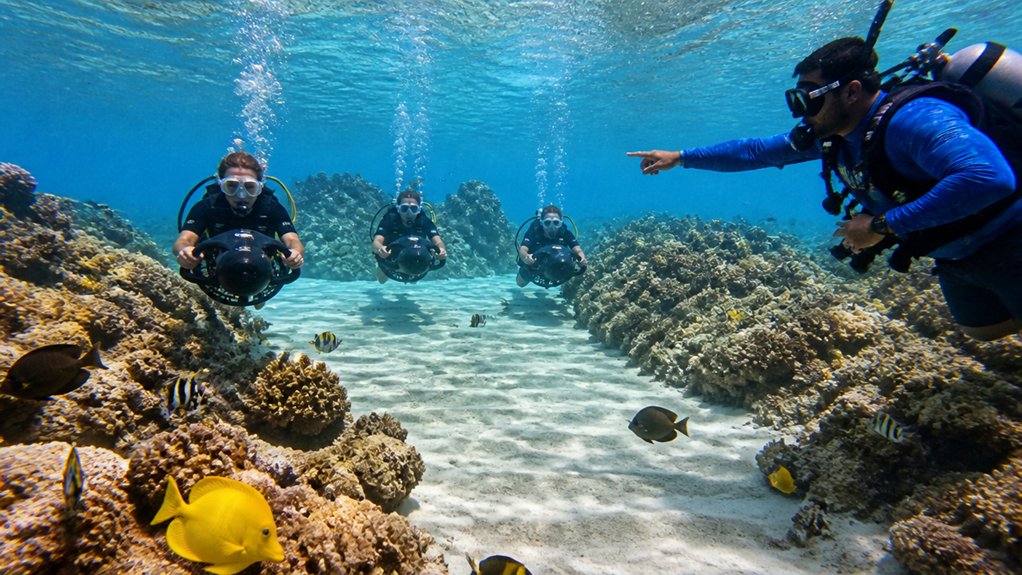
Because coral can snap from a brush of a fin and may need decades to grow back, your best move is to enter and exit from the boat or a designated sandy patch, never by stepping onto the reef.
Coral breaks easily and heals slowly, so always enter from the boat or sand, never by stepping on the reef.
- Suit up while seated, then slide in feet-first with your guide.
- For a SeaBob or helmet scooter experience, let the crew steady the craft and lower you straight into 8 to 10 feet of water.
- Return through marked sandy lanes, stay about three feet from coral, and follow re-boarding calls.
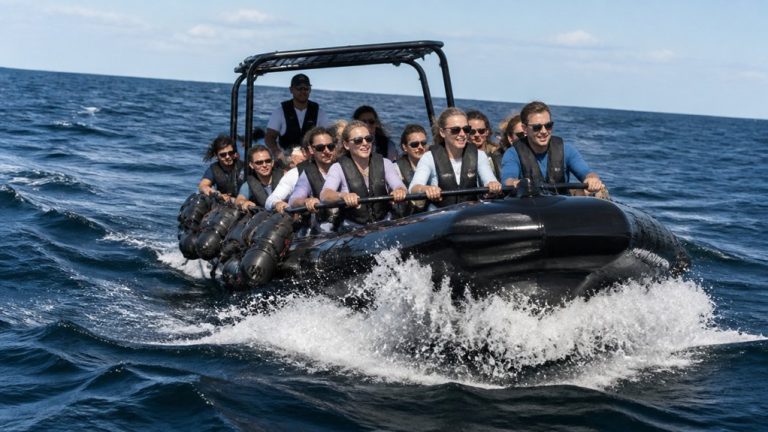
For a smooth check-in routine, plan to arrive early enough for crew instructions before your sea scooter tour begins.
That simple routine protects coral and keeps your scooter experience smooth. You avoid awkward scrapes, surprise shallows, and the classic flailing climb that nobody makes look cool. It also makes the whole group flow better.
Use Good Buoyancy and Fin Control
Hovering well is the quiet skill that makes a reef tour look effortless. Keep your buoyancy neutral or slightly positive so you float 1 to 2 feet above the coral. That little cushion helps you avoid scraping living surfaces and keeps sand from blooming into the water. Use slow fin kicks and keep scooters on low power. Gentle thrust feels smoother anyway. Hold steady with calm breaths and equalize early so descents and ascents don’t trigger clumsy kicks. If current builds, increase fin cadence bit by bit and turn your body parallel to the reef. You’ll glide with the flow, save energy, and look like you belong out there, not like a pinball in fins today while fish flicker past and lava glows below. Before heading out, review the tour’s weight limit guidelines so your scooter setup and buoyancy stay predictable in the water.
Follow Guide Signals on Every Tour
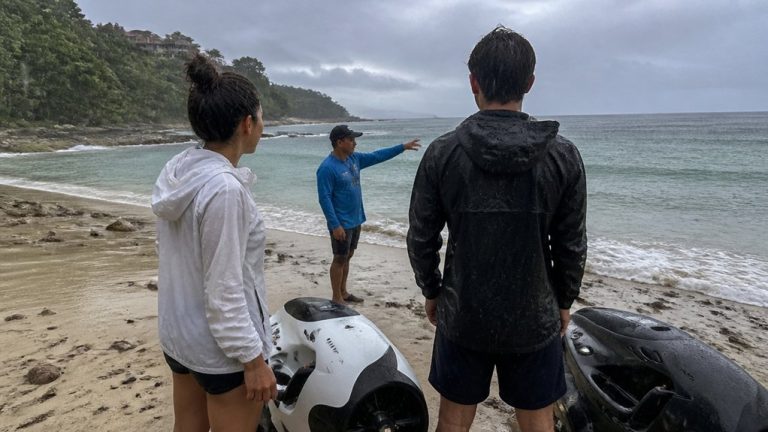
Always treat your guide’s signals like the quiet traffic lights of the reef. During the briefing, memorize the guide’s hand signals so you can move smoothly with the group and keep your SeaBob ride calm.
- If you see stop or hold position, cut throttle at once and hover neutral above the coral.
- When your guide signals ascend or surface, rise slowly, equalize, and follow close so you don’t cross another rider’s path.
- Obey the guide’s pointing signals around protected zones. Curious turtles are charming, but touching, feeding, or chasing them isn’t.
For many first-time riders, learning these signals during the briefing helps the tour feel safer and more relaxed from the start. If you get a recall or emergency signal, head straight to the boat or safe zone. Those simple gestures protect wildlife, prevent bumps, and keep your tour feeling effortless from start to finish.
Frequently Asked Questions
Are Sea Scooter Tours Suitable for Beginners Who Cannot Snorkel Well?
Yes, you can join many sea scooter tours as a beginner, even if you don’t snorkel well, because guides provide beginner tips, breathing techniques, guided practice, life jackets, and close supervision while you build confidence.
What Should I Do if My Sea Scooter Stops Working?
If your sea scooter quits, don’t panic, breathe like a bellows, signal guide, use surface floatation, and ascend slowly if directed. You shouldn’t swim it ashore; let crew retrieve it, then check batteries and report issues.
Can I Bring an Underwater Camera on the Tour?
Yes, you can bring an underwater camera on the tour; check operator rules, use secure camera housing, and keep straps tight. For underwater photography, don’t chase wildlife, avoid flash, and respect artifact preservation areas always.
How Long Do Typical Hawaii Sea Scooter Reef Tours Last?
Typical Hawaii sea scooter reef tours last 1.5 to 2 hours; just as the shoreline fades, you’ll plunge in. You won’t need half day excursions time, though sunrise departures or sunset cruises can stretch things.
Are There Age or Health Restrictions for Participants?
Yes, you’ll usually face age limits and health rules: many tours accept kids 7–10+ only. You should disclose conditions, pregnancies, surgeries, or ear issues, ask about mobility accommodations, and confirm swimming and guardian requirements ahead.
Conclusion
At first, reef rules might sound like a lot to remember. Once you’re gliding over lava ledges and hearing only bubbles, they feel simple and worth it. You give turtles space, skim through sandy lanes, and ease the throttle near coral heads. In return, the reef stays bright and busy, with yellow tang flashing by and green sea turtles cruising past on their own terms. That’s the kind of Hawaii ride you’ll remember most vividly.