You glide, you look, you breathe, and that last part is usually easier than you’d think. On many sea scooter tours, a helmet or clear dome sends fresh air down from the surface, so you can breathe through your nose and mouth while fish flicker past and bubbles hum around your ears. Some tours use snorkels or scuba gear instead, and that small detail changes the whole feel of the trip.
Key Takeaways
- Yes, but breathing depends on the tour system: helmet tours allow normal nose-or-mouth breathing, while scuba-style scooters use a regulator.
- Helmet sea scooter tours supply steady surface-fed air, so you breathe naturally without holding a mouthpiece underwater.
- Snorkel-based scooters only allow normal breathing at the surface through the snorkel, not during full underwater submersion.
- During scuba-style scooter dives, take slow breaths, monitor your air supply, and follow the guide’s air-management instructions.
- If you feel ear pain, shortness of breath, claustrophobia, or water entering the helmet, stop and alert the guide immediately.

Oahu: Submarine Scooter Adventure
Dive into an unforgettable underwater adventure on Oahu’s beautiful Maunalua Bay. Cruise past the iconic Diamond Head Crater aboard a comfortable po...
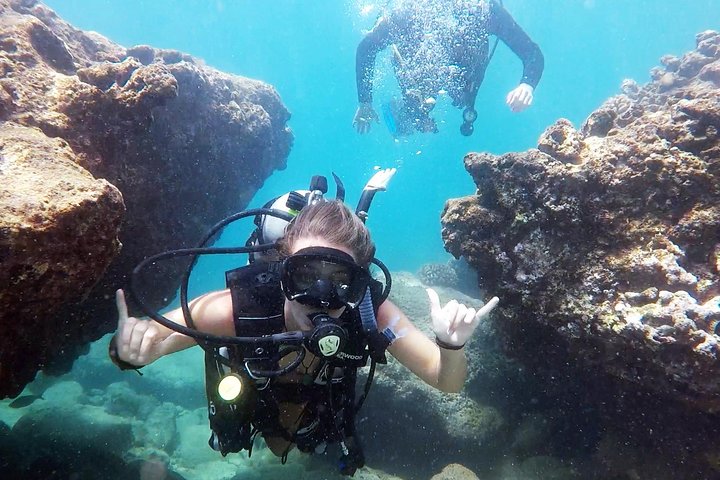
Voted Honolulu's #1 Beginner Scuba Diving + Free Videos Tour
Try scuba diving in Honolulu with this easy, beginner-friendly ocean adventure at Magic Island, Ala Moana Beach Park...
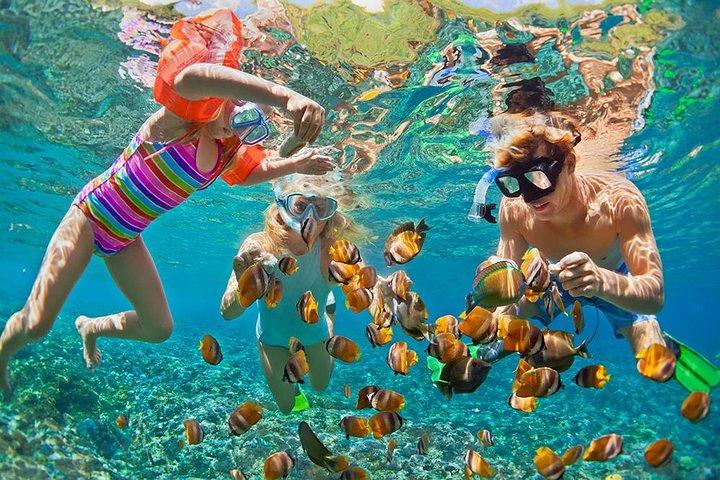
Oahu Circle Island Snorkeling Tour: Dole, Pali Lookout & More
Looking for the BEST VALUE & MOST COMPLETE Circle Island Snorkeling Tour? Join us for the ultimate full-day, action-...

Oahu Catamaran Snorkel Tour: See Turtles 100% Guaranteed
Experience one Viator's 2025 Top 20 Best Excursions in the country. This Oahu Catamaran snorkel tour offers unbeatab...
Can You Breathe Normally on a Sea Scooter Tour?
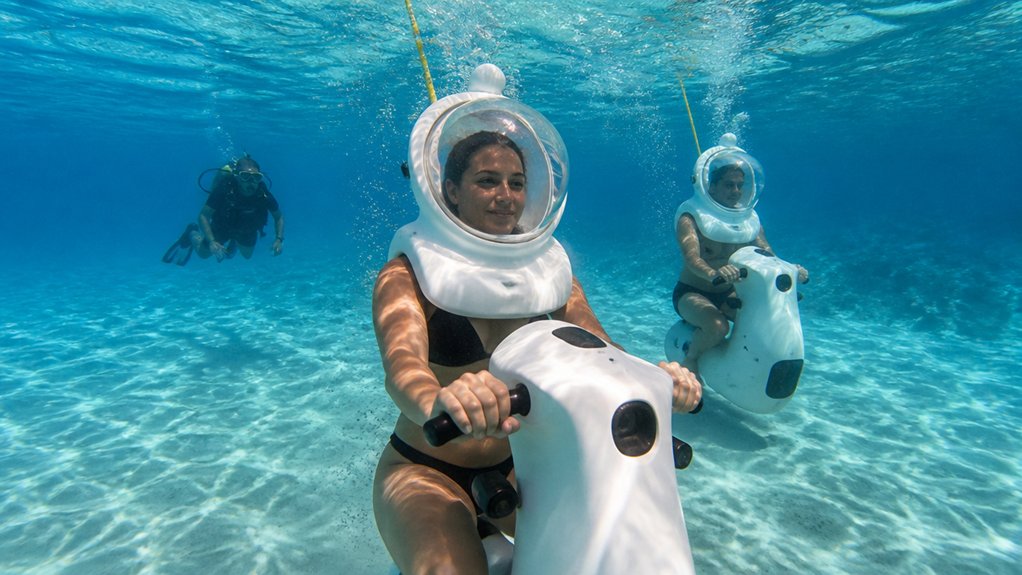
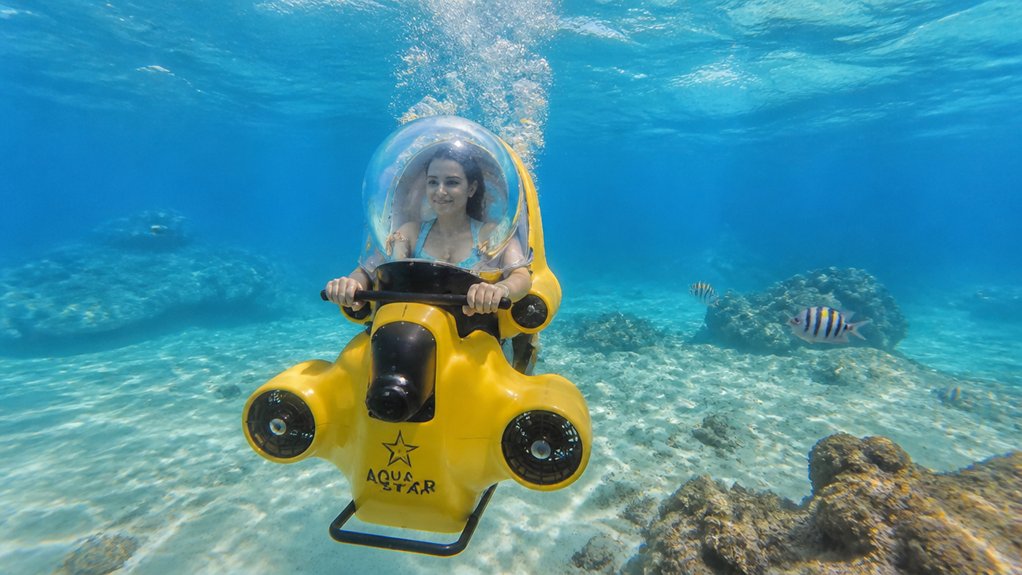
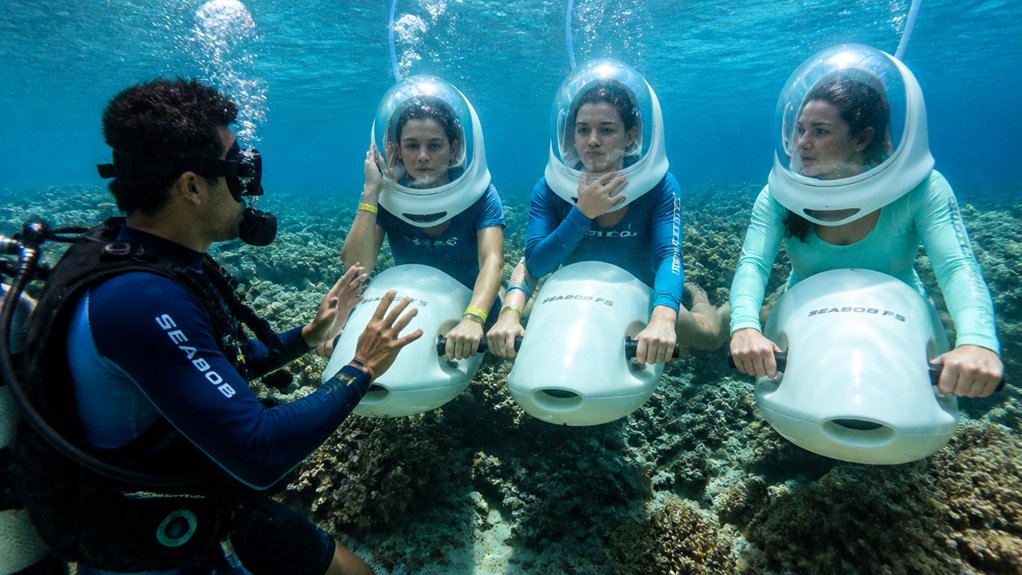
Usually, yes, you can breathe normally on a sea scooter tour if the ride uses a clear helmet system like a BOB or BOSS. With a Breathing Observation Bubble over your head, you keep your face dry, look out through wide, panoramic panels, and ride with easy, natural breaths. It feels surprisingly calm, almost like strolling through an aquarium in a space helmet.
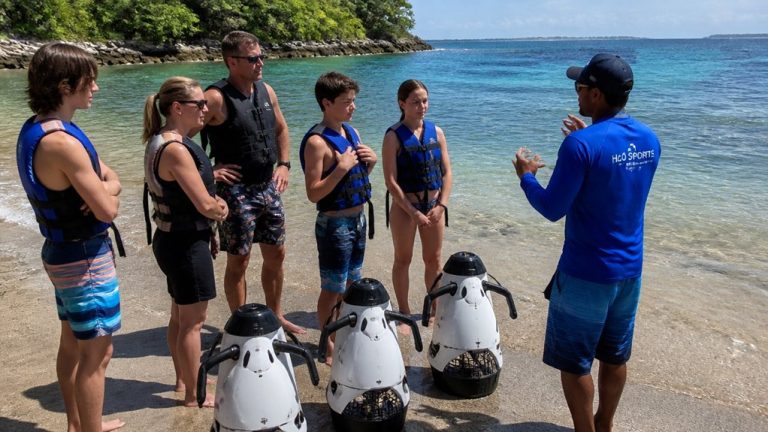
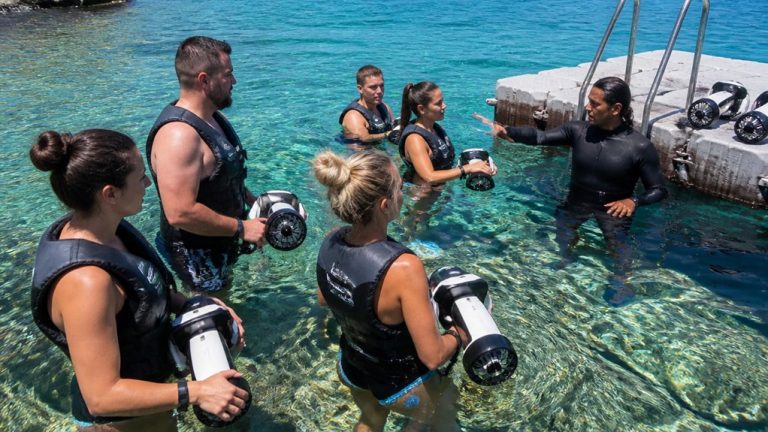
Before you book an Underwater Scooter tour, check what system the operator uses. Some rides rely on scuba gear, which means breathing through a scuba regulator instead. A snorkel only lets you breathe normally at the surface. Ask about air supply, ride time, and the safety briefing. You’ll want to confirm equalizing steps too, so your ears stay happy underwater there. Most operators explain what happens step by step before you enter the water, so you know how the tour will begin, ride, and end.
How You Breathe During a Sea Scooter Tour
Often, the way you breathe on a sea scooter tour depends on the setup the operator uses. On rides with a transparent pressurized helmet and underwater scooter, you breath normally through your nose or mouth while surface-supplied air flows steadily above you. Your head stays dry, your shoulders stay out of the water, and you don’t need a regulator.
On helmet sea scooter tours, you breathe normally while steady surface air keeps your head dry and regulator-free.
- You hear bubbles and boat noise soften while guides watch air pressure.
- Many tours keep that airflow going for about 20 to 30 minutes underwater.
- If you get separated, stay calm, signal, and use the helmet system’s quick-release steps.
On scuba-style sea scooter dives, you breathe from a standard regulator and manage air the usual way. It’s simple once the briefing clicks for most travelers. Many first-time riders ask about breathing comfort before the tour, which is why operators explain the setup clearly during the safety briefing.
Snorkel vs Helmet Sea Scooter Tours
You’ll notice the biggest difference right away: with a snorkel scooter, you breathe through the tube at the surface and keep your face in the water, while a helmet scooter lets you breathe normally through your nose and mouth inside a clear dry dome. That changes what you see and how you feel, from the hiss of your own snorkel and splash in your ears to the wide, window-like view and surprisingly calm air inside the helmet. If you like a lighter, more active ride, snorkeling may suit you, but if you want an easier view and a dry head, the helmet can feel almost sci-fi. If you’re comparing tour styles in Waikiki, Sea Scooter vs Scuba is really about whether you want a surface-level snorkeling experience or a more immersive underwater feel.
Breathing Method Differences
While both tours put you eye to eye with fish, the way you breathe changes the whole feel of the ride. On a snorkel-based sea scooter, you breathe through a mouthpiece at or near the surface, so your rhythm depends on good snorkel technique. You may need to clear water and get used to mouth-only breaths. With helmet-style tours, a pressurized dome sends steady air around your head, letting you keep breathing normally through your nose or mouth while staying dry. That difference often decides which tour feels easy from the first minute. For many beginners, a first timer walkthrough can make the breathing differences feel easier to understand before the tour starts.
- Snorkel breathing feels more active and asks for basic swim comfort.
- Helmet breathing feels natural, even if you don’t swim much.
- Both tours brief you first, but you monitor breathing differently.
Visibility And Comfort
Because what you can see shapes how relaxed you feel, visibility and comfort tend to rise or fall together on a sea scooter tour. With a snorkel setup, you stay at the surface and look only where your face points. Waves, glare, and the need to clear water can break your focus. Comfort depends on steady breathing and liking that face-down position.
On a helmet-style tour, you sit upright under a clear dome about 7 to 8 feet down. You breathe normally through your nose and mouth, keep your hair dry, and get panoramic visibility, even behind you. That wider view helps beginners settle in and watch reefs and fish longer. If you’re not a strong swimmer, the helmet often feels wonderfully low-drama underwater. For older guests, comfort tips like choosing the upright helmet option can make the experience feel smoother and less tiring in Waikiki.
Still comparing Can You Breathe Normally On A Sea Scooter Tour?
Ask for tour ideas, hotel suggestions, or a simple trip plan that combines both.
Trip Helper
How Deep Sea Scooter Tours Usually Go
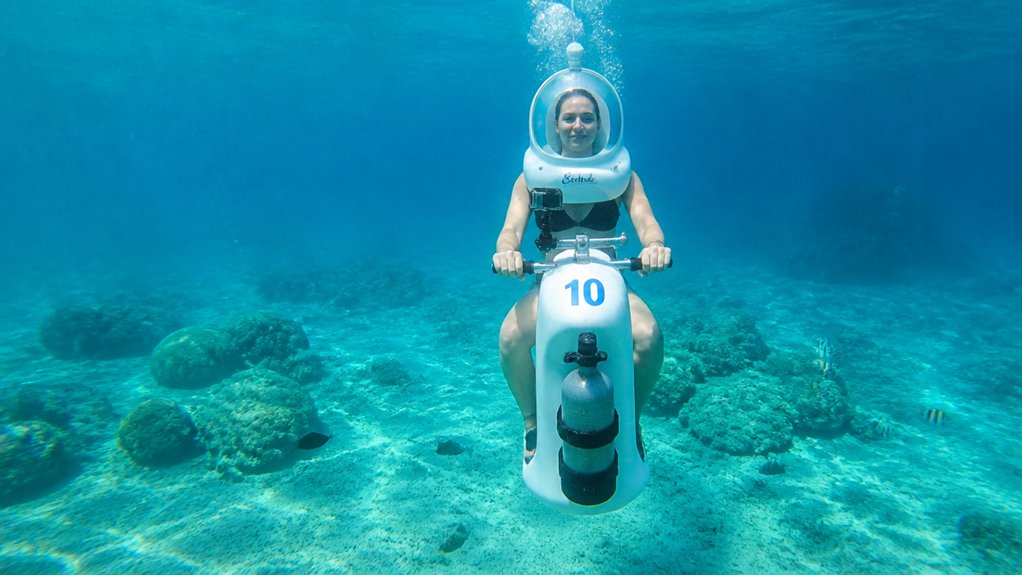
You’ll usually ride just 7 to 12 feet below the surface, where the water stays bright, the reef colors pop, and everything feels calm instead of far away. A buoy or helmet system helps hold you in that shallow sweet spot, so you can breathe normally, watch the fish pass by, and skip any sudden drops. Operators also set firm safety limits, often capping tours at 40 feet or less, though most keep you much shallower because easy views beat bragging rights. In Waikiki, that sea scooter depth range is part of the experience, letting riders enjoy the scenery without going very deep.
Typical Tour Depths
Most sea scooter tours stay pleasantly shallow, which is part of the appeal. On many reef outings, you’ll glide just 7 to 8 feet down in a helmet-style BOB, where sunlight still flickers across coral heads and curious fish cruise by at eye level. Guided underwater scooters can go deeper, often anywhere from 10 to 40 feet, with many operators capping typical tour depths around 12 meters for comfort, visibility, and safety. In Waikiki sea scooter tours, these shallow depths help first-timers explore comfortably while enjoying clear reef views. Short rides usually last 20 to 30 minutes, so you get the fun without a long stretch under pressure.
- Beginners and kids often stay at 20 feet or less in calm lagoons.
- Near 40 feet, you’ll likely equalize your ears on descent.
- Shallow depth means bright colors, easy viewing, and fewer surprises.
Buoy-Controlled Depth Range
While the idea of zipping underwater sounds daring, the depth on a sea scooter tour usually stays pleasantly tame. You’re typically in shallow, protected water, not dropping into some blue abyss. On many helmet-based tours, buoy-controlled systems keep you about 7 to 8 feet below the surface, where sunlight still flickers over reefs and sandy patches.
That setup helps you stay within easy sight of your guide and close to the boat or platform. You may notice buoy lines overhead or a depth gauge nearby, quietly doing the boring but useful work. Operators also plan routes across lagoons and reef shelves instead of steep walls, so you cruise where fish are busy and the water feels open. In practice, broader depth limits often top out around 30 to 40 feet anyway. Most Waikiki sea scooter tours keep the ride focused on easy, scenic cruising rather than deep descents.
Safety Depth Limits
Because sea scooter tours are built for easy exploring, they usually keep you in a comfortable depth range instead of sending you far down. On most reef outings, your underwater experience stays around 30 to 40 feet, where light still dances and guides can watch conditions clearly. If you choose a beginner or helmet-style ride, you’ll likely hover just 7 to 8 feet below the surface.
- Tour operators set stricter depth limits than many scooters allow, often capping dives at 12 meters.
- Some devices have factory limits near 20 meters and may shut off automatically if you exceed them.
- Before you go, check the briefing, local rules, and emergency disconnect steps. Safety likes details so you can relax and watch the reef with ease.
These conservative limits are part of sea scooter safety, helping guides reduce risk while keeping riders in calm, visible water.
Who May Feel Comfortable or Claustrophobic?
Although the clear helmet can look a little space-age at first glance, many riders say breathing feels surprisingly normal once the air starts flowing and your head stays dry above the waterline.
If you’re relaxed in snug gear, the transparent helmet may feel easier than a regulator or mask. Air keeps moving, your shoulders stay out of the water, and that often boosts comfort. If enclosed spaces make your pulse jump, though, claustrophobia can show up fast. The dome around your head and neck may feel tight, especially during entry or exit. That’s why guides usually screen reactions before you ride, help you ease in, and sometimes offer a short practice run. On an Oahu sea scooter tour, beginners can usually expect a guided introduction that helps them adjust before heading fully underwater. Kids under about ten also need close supervision for a smoother experience.
Tell Staff About Asthma, Claustrophobia, or Ear Issues
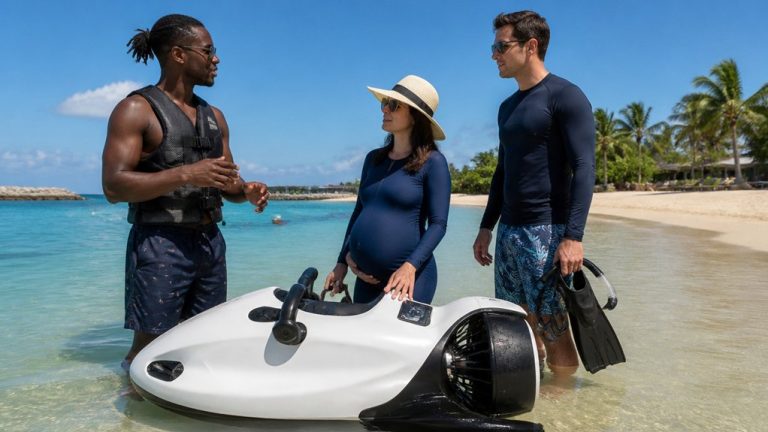
Speaking up before the tour makes the whole ride smoother. If you have asthma, tell the staff early. They can check whether you’re fit to join, make sure your inhaler stays close, and decide if the helmet’s oxygen system suits you. Mention severe attacks, COPD, recent infections, pregnancy, or surgery too.
- If claustrophobia nags at you, guides can show helmet size, let you test it topside, shorten your time underwater, or suggest a surface option.
- If you have ear problems, like a cold, sinus infection, or Eustachian tube trouble, say so before descent.
- Staff may pause or deny participation to prevent barotrauma, and they may ask for medical clearance or follow age and health rules so everyone keeps the adventure safe and surprisingly calm.
They may also review the tour’s weight limit before departure to confirm the scooter and helmet setup will be safe and comfortable for you.
How to Breathe Comfortably on a Sea Scooter Tour
Once the staff knows about any health concerns, the next part is surprisingly simple: how to breathe and stay relaxed once you’re in the water. On helmet-based sea scooter tours, the transparent dome gets a steady air supply, so you’re breathing normally without a regulator clamped in your mouth. Keep your head upright and don’t lean, since guides maintain positive pressure to keep the helmet dry. As you descend, swallow or gently pinch and blow to equalize your ears. If anything pinches, stop and signal. Breathing should feel easy within the tour’s depth limits. It also helps to ask about accessibility questions before your tour so staff can explain any breathing-related accommodations or limits. If you feel short of breath, claustrophobic, or notice water inside, alert your guide and use the release if needed. With non-dome scooters, take slow breaths and watch your air.
Frequently Asked Questions
Can Non-Swimmers Join a Sea Scooter Tour Safely?
Yes, you can join safely if you choose a guided shallow tour, use buoyant aids, and stay with instructor accompaniment. You’ll need to follow briefings, meet age and health rules, and disclose comfort concerns honestly.
Are Sea Scooter Tours Suitable for Children or Seniors?
Yes, you can enjoy sea scooter tours if you meet age limits, handle mobility considerations, and follow supervision requirements; you’d need medical clearance for some conditions, and children usually ride kid-friendly models with adult oversight.
What Should I Wear on a Sea Scooter Tour?
About 80% of UV rays penetrate clouds, so you should wear a swimsuit, Light layers, and a rash guard or wetsuit. Apply Reef safe sunscreen, secure hair and jewelry, and bring Water shoes for entry.
Can I Bring My Own Snorkel Mask or Equipment?
Yes, you can bring your own snorkel mask or fins if the operator approves them; you’ll need to confirm mask hygiene, fit compatibility, and filter maintenance requirements, since some tours use helmets or gear only.
How Are Photos and Videos Provided After the Tour?
You’ll usually receive photos and videos through a cloud based gallery, instant downloads, or USB pickup, like opening a treasure chest. You can preview selections dockside, then choose packages with high resolution delivery or edited highlights.
Conclusion
So yes, you can usually breathe normally on a sea scooter tour, and that simple fact changes the whole mood underwater. Most helmet tours stay around 10 to 20 feet deep, where guides can keep things calm and clear. About 90% of the air you use at rest goes to easy, automatic breathing, not effort. You just glide past coral, hear bubbles fizz, feel warm saltwater on your arms, and let the scooter do the heavy lifting.

Oahu: Full or Half Day Grand Circle Island Tour
Choose from two exciting ways to experience Oahu's top attractions, scenic beauty, and local culture.Option 1: Dole Plantation & Haleiwa Town (6.5 H...

Oahu: Grand Tour Around Island with Snorkeling
Come join on a circle island adventure led by some of Hawaii’s most knowledgeable local guides and experience brea...

Oahu Grand Circle Island Experience from Waikiki
Enjoy Grand Circle Island experience tour with breathtaking views of Amelia Earhart Lookout on Diamond Head, admire...

Toa Luau at Waimea Valley, Oahu
Toa Luau invites you to immerse yourself in the beauty and excitement of Polynesia on Oahu’s historic North Shore!...