You arrive about 30 minutes early, sign waivers, show your ID and booking, and get fitted for a life jacket, mask, and fins. On the catamaran, the guide runs through hand signals, depth limits, and reef rules while the hull taps the water. Then you test the sea scooter in the shallows, clip in, and ease down over coral at about 10 to 15 feet. It feels part flight, part snorkeling, and the small details ahead matter.
Key Takeaways
- Arrive 30 minutes early to sign waivers, show ID, confirm booking, and get fitted for life jacket, mask, and fins.
- Board the boat or catamaran, then listen to a safety briefing covering hand signals, depth limits, and scooter operation.
- Enter shallow water, adjust your mask and fins, clip into the scooter setup, and complete a quick comfort check.
- Glide slowly using the throttle and handlebar while guides monitor depth, communication signals, and reef-safe behavior.
- Return to the boat or shore for gear collection, a short debrief, and any photos, payments, or personal item check.

Oahu: Submarine Scooter Adventure
Dive into an unforgettable underwater adventure on Oahu’s beautiful Maunalua Bay. Cruise past the iconic Diamond Head Crater aboard a comfortable po...
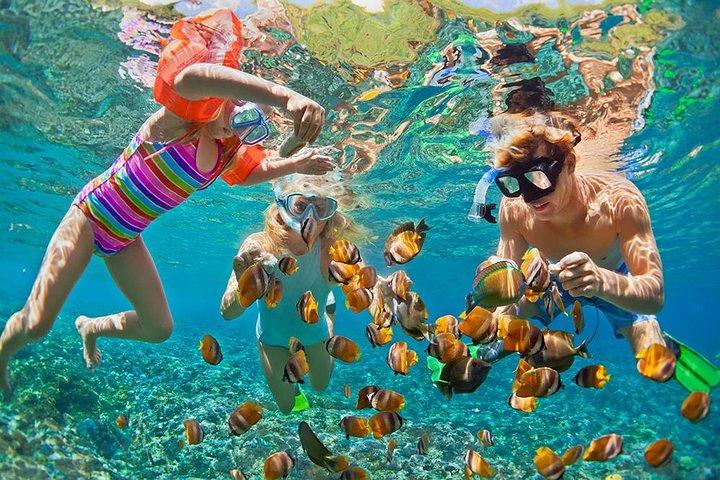
Oahu Circle Island Snorkeling Tour: Dole, Pali Lookout & More
Looking for the BEST VALUE & MOST COMPLETE Circle Island Snorkeling Tour? Join us for the ultimate full-day, action-...

Oahu Catamaran Snorkel Tour: See Turtles 100% Guaranteed
Experience one Viator's 2025 Top 20 Best Excursions in the country. This Oahu Catamaran snorkel tour offers unbeatab...
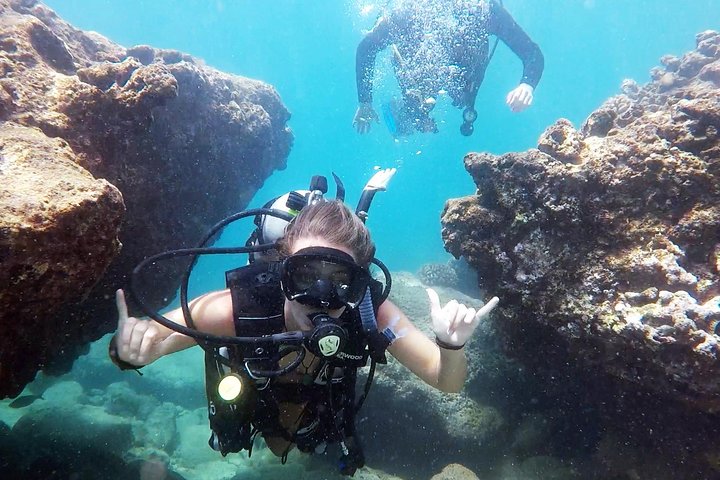
Voted Honolulu's #1 Beginner Scuba Diving + Free Videos Tour
Try scuba diving in Honolulu with this easy, beginner-friendly ocean adventure at Magic Island, Ala Moana Beach Park...
Check In for Your Sea Scooter Tour
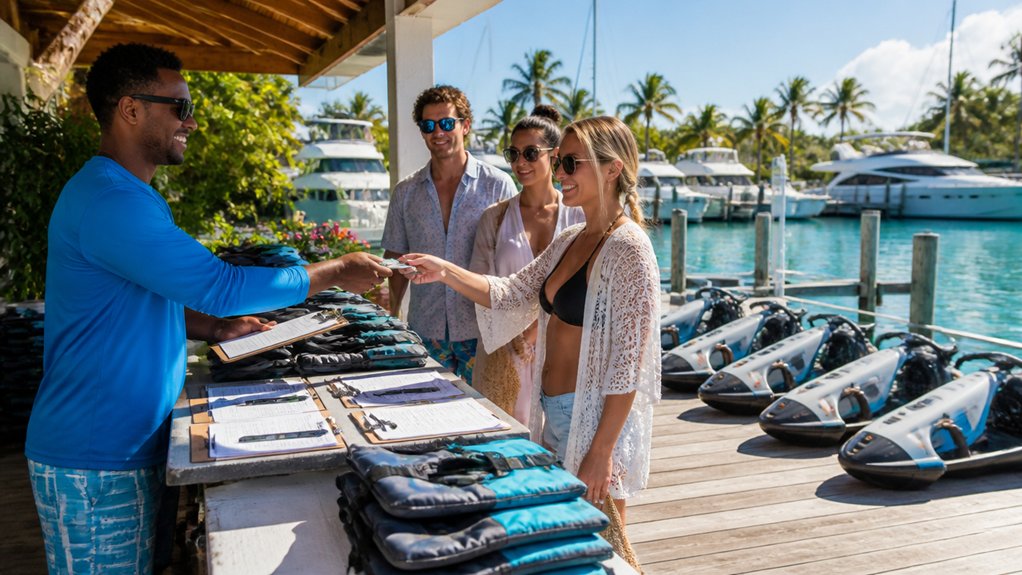
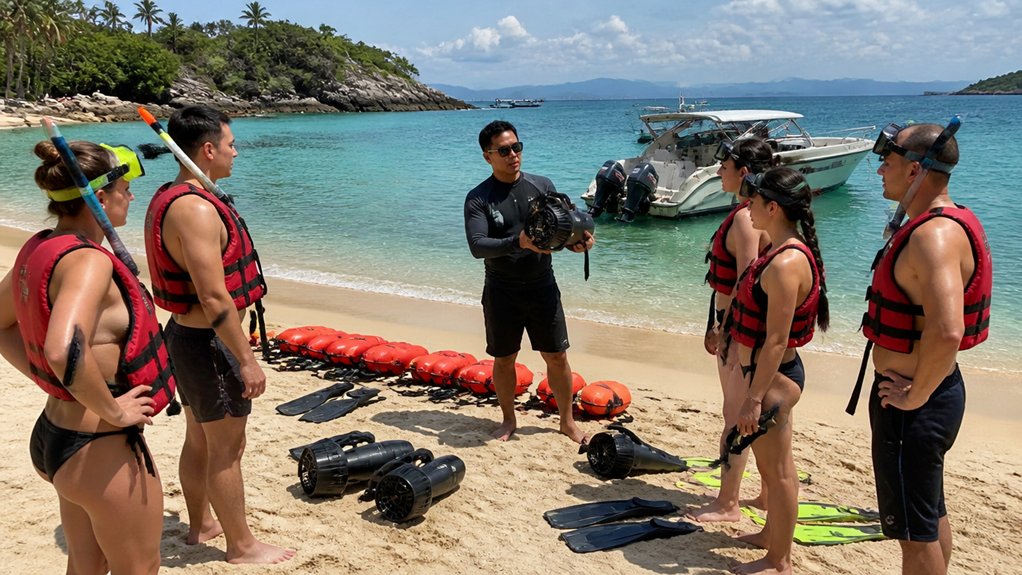
Usually, the day starts at check-in, and it pays to arrive about 30 minutes early so you can sign waivers, show your booking confirmation and ID, and share any required health details without feeling rushed. Plan on 30 minutes early for sea scooter tour check-in so everything is handled before departure. At the meeting point by the dock entrance, you’ll confirm age requirements and hand over weight/size info for mandatory equipment. Crew members handle gear fittings for life jackets, masks, and fins, often with the quick efficiency of people who can spot a loose strap instantly. You may stash a few small items nearby if the operator allows it. Then comes a short safety briefing and equipment handout. You’ll hear what matters, ask last-minute questions, and feel the morning click into place as names are called and the group gathers.
Ride to the Site and Learn Sea Scooter Safety
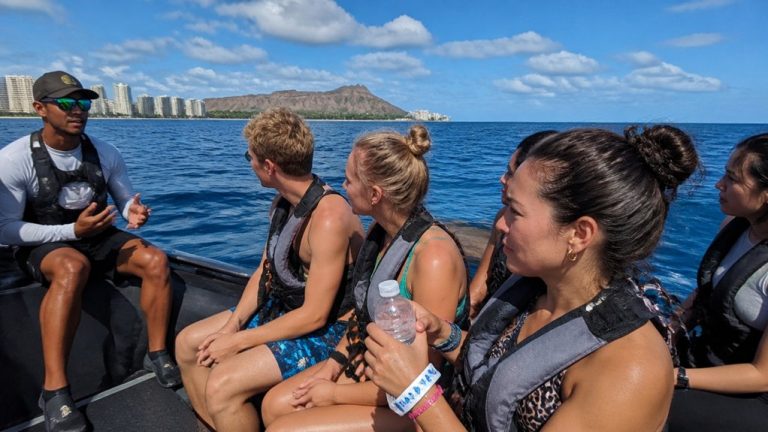
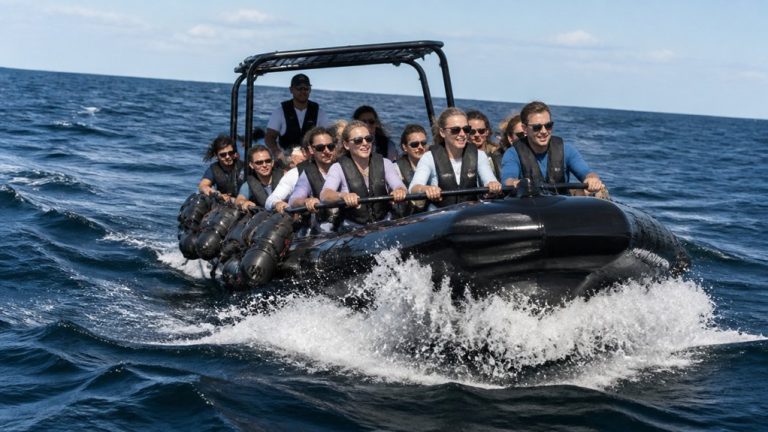
Climb aboard, and the morning shifts from dockside paperwork to open water. During boarding the vessel, you settle onto the catamaran as engines hum and salt spray cools the rail. The ride to the site takes 10 to 30 minutes, enough time for a clear safety briefing.
In Waikiki, many tours leave from Kewalo Basin Harbor, giving guests a straightforward meeting point before heading out. You’ll hear hand signals, group size rules, and depth limits of about 10 to 15 feet. Staff show you the Underwater Scooter or the Breathing Observation Bubble, plus the tow ring, trigger lock, and overhead buoy. Before anything starts, you practice basic scooter handling and emergency stop signals in shallow water conditions. Crew also reviews reef-safe behavior, checks age, weight, and health requirements, and keeps logistics simple. Even if the booking site uses cookies, the real takeaway is confidence, calm, and readiness.
Enter the Water and Use Your Sea Scooter
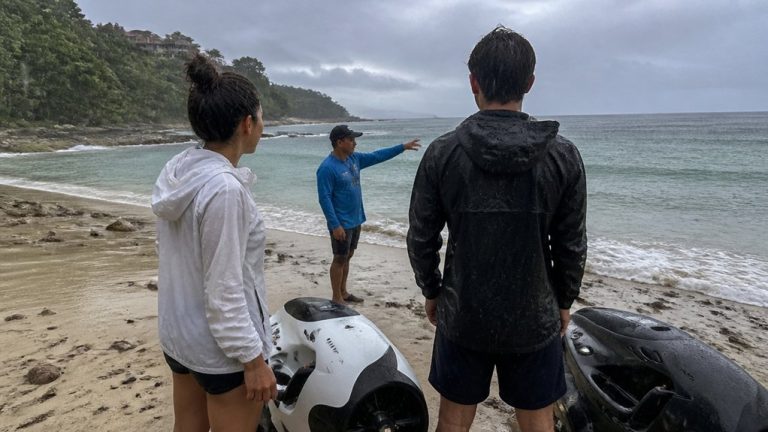
Once the guide gives the nod, you step into waist- to chest-deep water with fins in hand and the sea scooter clipped and ready. Your life jacket and snorkel mask already fit snugly. When you enter the water, you pull on fins, settle flat, and clip the tow cord in place. On a first timer walkthrough, guides usually pause here to make sure everyone feels comfortable before moving out.
| You do | Why it matters |
|---|---|
| Hold throttle steady | Smooth, easy glide |
| Watch coral reefs | Protects reef and you |
You steer with the handlebar as the sea scooter hums ahead. The buoy keeps depth around 10 to 15 feet, so it feels controlled, not wild. Keep your face in snorkeling position or your BOB helmet set right. Use hand signals, breathe easy, and enjoy the blue. Sun flickers on bubbles like tossed silver coins.
Head Back After the Tour
Back on the boat or shore, you follow the guide to a staging area where the tour shifts from blue-water glide to sandy-foot reset. You remove helmets and life jackets, grab towels, and dry off while the crew collect scooters, masks, and fins to sanitize gear.
- Salt dries on your arms.
- Turtles and parrotfish come up in a guided debrief.
- A camera screen flickers with photos/videos.
- The dock or beach gets louder as you collect belongings.
You may change clothes, sign waivers, and handle payment/tipping or media purchases. Your ticket often includes gear sanitation and other tour wrap-up support from the crew. The guide answers questions, gives a quick coral reminder, and shares your arrival time. Before you step off, double-check rental gear, bags, and safe re-entry instructions before disembarking at the marina or shore landing a few minutes.
Frequently Asked Questions
Is There a Minimum Age Requirement for Sea Scooter Tours?
Yes, you’ll usually face age limits: most tours accept ages 10+, require guardian supervision, parental consent, a youth waiver, and minimum height rules; child sized equipment, teen pricing, and infant restrictions vary by operator widely.
Can Non-Swimmers Join a Sea Scooter Tour?
Yes, you can join through non swimmer accommodations, flotation options, and guided assistance plus safety briefings. Operators use tethered scooters, shallow routes, participant screening, and emergency protocols, so you’ll need follow instructions and meet requirements.
What Should I Bring With Me on Tour Day?
Bring sunscreen application, a waterproof phonecase, reef safe toiletries, hydration snacks, a light wetsuit, an identification copy, anti fog solution, plus water shoes and a towel; you’ll need them after snorkel training on tour day.
Are Prescription Snorkel Masks Available?
About 60% of operators offer them, so yes, you can often get prescription snorkel masks. Ask about prescription lenses, custom masks, dive prescriptions, mask fittings, optical inserts, corrective snorkels, vision adaptations, and Rx dive masks.
What Happens if Bad Weather Cancels the Tour?
You’ll get operator communication after safety assessments; cancellation deadlines trigger the rescheduling policy, refund options, partial refunds, or alternate activities. You should check weather insurance, because if conditions worsen at check-in, they’ll usually rebook you.
Conclusion
You start with waivers and fins on deck, and end with salt on your skin and a quieter mind. Between those points, the scooter becomes a small key, opening a blue room of coral, silver fish, and muffled bubbles. You follow signals, watch your depth, and trust the guide, then rise back to the catamaran. It’s a simple outing on paper, yet it feels briefly like borrowing another way to move through the world below.

Oahu: Mauka Warriors Luau Honoring Polynesia's Forgotten History
Step into the vibrant heart of Hawai‘i and experience a luau like no other—where culture, history, and celebration come alive under the island sky...

Toa Luau at Waimea Valley, Oahu
Toa Luau invites you to immerse yourself in the beauty and excitement of Polynesia on Oahu’s historic North Shore!...

Oahu: Full or Half Day Grand Circle Island Tour
Choose from two exciting ways to experience Oahu's top attractions, scenic beauty, and local culture.Option 1: Dol...

Oahu: Grand Tour Around Island with Snorkeling
Come join on a circle island adventure led by some of Hawaii’s most knowledgeable local guides and experience brea...