If you’re eyeing a sea scooter tour, you probably want the real basics before you zip into blue water. Do you need strong swim skills, or just a calm guide and a good flotation vest? Will you start from a sandy shore or roll off a boat into water where your feet won’t touch? From mask fit to GoPro clips to sudden weather changes, a few smart questions can shape the whole trip.
Key Takeaways
- First-timers usually get a full safety briefing, gear fitting, and hands-on sea scooter practice before entering the water.
- Many tours are beginner-friendly, with flotation gear, calm reef routes, and guides staying close throughout the snorkel.
- Strong swimming is often not required because scooters provide propulsion and guides assist nervous or weak swimmers.
- Tours may start from shore or boat, so confirm entry style, meeting point, and whether shallow footing is possible.
- Most trips last about 2 to 4 hours, including check-in, instruction, water time, and return transit.
Is a Sea Scooter Tour Beginner-Friendly?
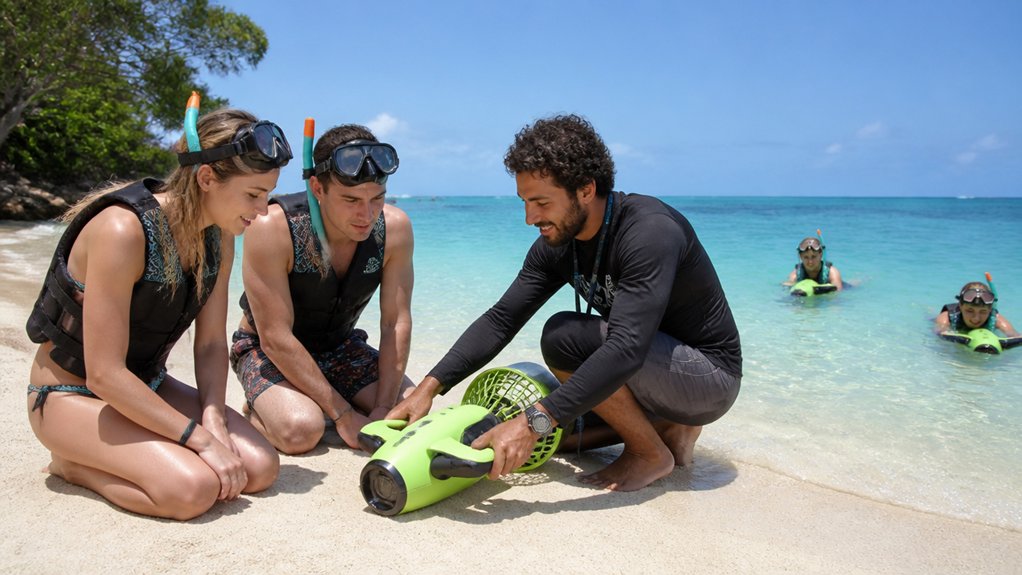
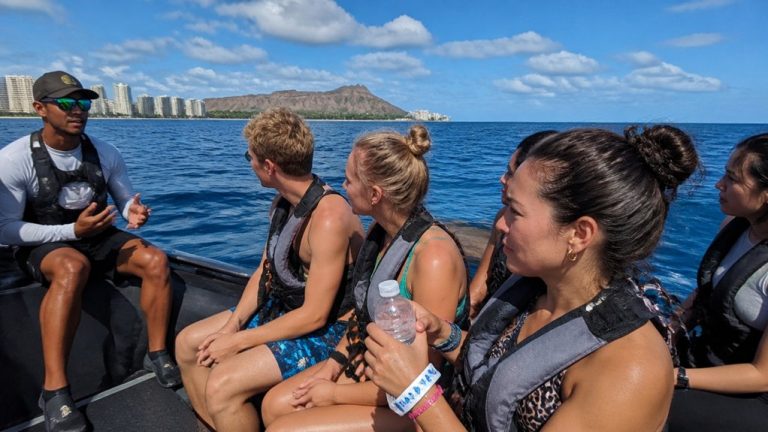
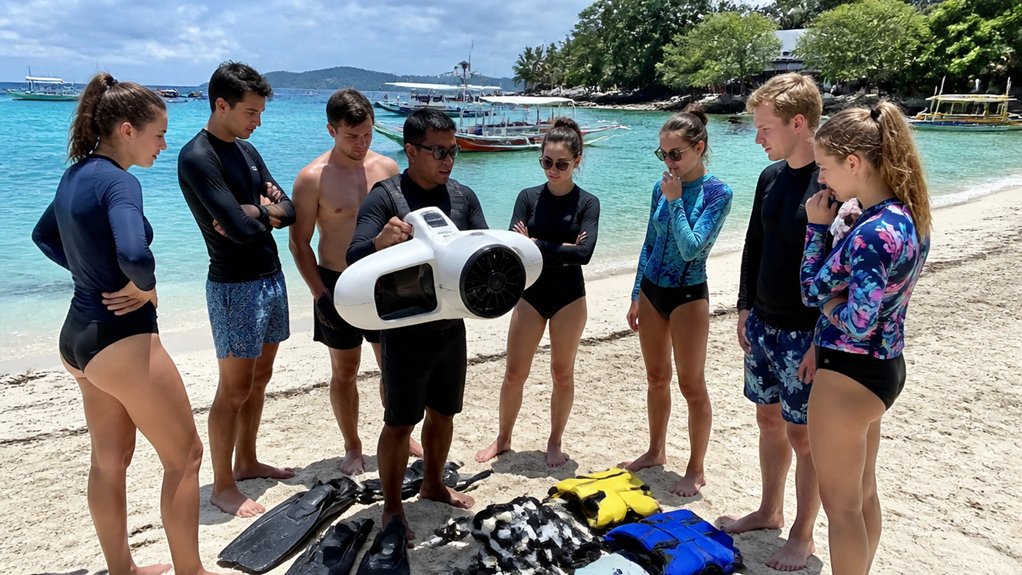
Usually, yes, a sea scooter tour is very beginner-friendly. You get a full safety briefing, hands-on demos, and guided practice before you enter the water. That first run with the scooter feels reassuring, not rushed.
Reputable operators keep guide support close and visible. You follow an instructor through sheltered reef zones where the sea stays calm and logistics stay simple. Many tours choose near-shore stops for extra comfort, though you should confirm depth and whether access starts from a boat or the beach. The gear helps too. Flotation wetsuits and life jackets are usually included. Meanwhile, the scooter does much of the work, so you can glide past coral, hear your bubbles, and explore more reef without tiring out in the first ten minutes.
For many first timers, an Underwater Sea Scooter Oahu tour sets clear expectations by combining simple instruction, calm conditions, and guided support from start to finish.
Do You Need to Be a Strong Swimmer?
How much do you really need to swim on your own? Usually, not much. Most guided sea scooter tours give you a life jacket or flotation wetsuit, plus in-water help, so you don’t need to be a strong swimmer. The scooter is easy to use and does the pulling, which means you save energy and glide over reef instead of fighting the water. In most cases, swimming skills are helpful but not required because the tour’s flotation gear and guide support are designed for beginners.
You usually don’t need strong swim skills, guided sea scooter tours add flotation, support, and an easy ride through the water.
Look for three things:
- Small groups, so guides can stay close.
- A clear demo before you enter the water.
- Extra flotation if deep water makes you tense.
If your feet can’t touch bottom and that sparks panic, tell your guide. They’re trained to stay calm, steady your breathing, and help you recover without turning the moment into a drama for you.
Can Kids Join the Tour Safely?
Often, yes, kids can join a sea scooter tour safely, and many operators set things up with families in mind. You’ll usually get child-size flotation wetsuits and life jackets, so younger riders feel snug instead of bobbing around like startled corks. Many tours provide the sea scooters, masks, fins, and even full-face masks with one-way vents, then walk you through a short demo before anyone splashes in.
That matters, because kids relax faster when they’ve made sure the gear feels familiar in their hands and on their face. Guides are often patient with nervous or weak swimmers, and they’ll stay close in deeper water. On many tours, staff also carry CPR, First Aid, and lifeguard training, which adds calm for you and your child. In Oahu, it’s also smart to confirm the tour’s age limits ahead of time, since family-friendly sea scooter adventures may still have minimum age rules for younger riders.
What Are the Age and Weight Limits?
Once you know kids can join safely, the next question is whether your group fits the operator’s rules on age, size, and water confidence. Policies vary, so check before you picture everyone zipping through clear water.
Before you imagine everyone cruising through the water, make sure your group meets the operator’s age, size, and swim rules.
- Age: Many tours welcome children around 6 to 12 when they ride with a paying adult.
- Weight: Recreational sea scooters often top out around 100 to 130 kg, so your build needs to match the equipment.
- Confidence: Some operators care more about swimming ability than age and offer life jackets, flotation wetsuits, kid-sized gear, and extra support.
Some operators also set a firm age limit for sea scooter tours, so families should confirm the minimum participant age before booking. Family-friendly crews can make first timers feel steadier in the water. If you’re booking for a small child or anyone with medical restrictions, confirm health rules, waivers, and exact limits first.
Do Tours Start From Shore or Boat?
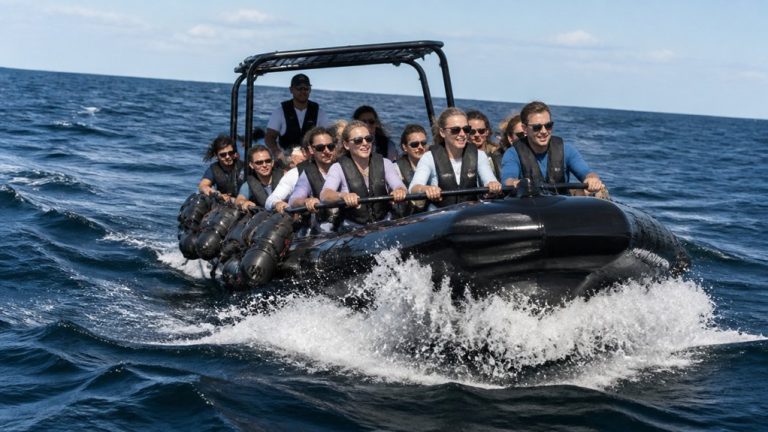
You’ll find that some sea scooter tours start right from the beach, where you can wade in from calm bays and get comfortable in clear, shallow water. Others begin at a hotel dock or meeting point, then take you by boat to reef stops where you might spot turtles, rays, or coral gardens after a quick safety briefing and gear check. If you’re bringing a small child or you’re new to the water, you’ll usually have the easiest start with a shore-based tour, though many boat trips also make things smooth with life jackets, flotation suits, and patient instruction. In Waikiki, sea scooter tours may depart from the beach, a hotel dock, or a designated meeting point depending on the operator.
Shore Entry Options
Sea scooter tours split two ways: some start right from the shore, and some have you meet on land and hop on a boat.
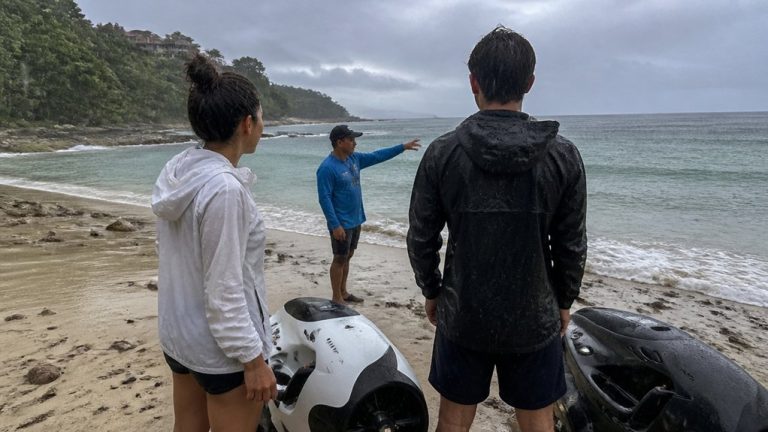
If you’re comparing shore entry options, think about comfort and water depth. For a first time, a beach launch can feel easier. You wade in from protected sand at places like Napili Bay or Kapalua Bay.
Some operators, including those connected to Kewalo Basin, may use a boat departure instead of a beach walk-in, so it’s smart to confirm the exact entry style before you book.
- Make sure you ask if you’ll enter where you can still touch bottom.
- Check for flotation wetsuits, life jackets, and in-water guide help.
- If you’re bringing kids or nervous swimmers, choose the calmest snorkeling experience possible.
Even tours that start from shore can still feel adventurous, with bright reef fish, soft surge, and that deliciously quiet underwater hum in your ears.
Boat Departure Logistics
Beyond beach launches, many sea scooter tours actually begin with dry feet at a dock, hotel shoreline, or marina, then add a short boat ride to the snorkel site.
You’ll usually check in on land, get fitted for gear, hear the safety talk, and learn if you’ll snorkel from the boat or along the shore. Tour listings often spell out meeting points, pickup options, and boat transfers, so read the details before Time gets away from you. It’s smart to arrive early for tour check-in so you have enough time for gear fitting, waivers, and the safety briefing before departure. Some trips still launch straight from the beach, but many use a quick transfer from a resort dock or marina. If you’re traveling with a nervous child, ask ahead whether the boat reaches deeper water. That tiny bit of boat departure logistics can spare surprises later there.
Best Choice For Beginners
If you’re brand new to a sea scooter, a shore launch often feels like the gentlest first step. You wade in from the beach, stay in sheltered water, and can hover above reef where your feet may still touch bottom. That makes a first snorkel tour feel calmer.
- Shore starts suit nervous swimmers and kids.
- Boat starts still work for beginners with life jackets, flotation suits, and close guide support.
- Both options include a safety briefing, gear, and a sea scooter demo before you enter.
Boat departures usually leave from a hotel or dive center, then reach farther reefs with more stops and possible turtle, ray, or shark sightings. If you’re unsure, tell the operator when booking. They’ve heard it all before with smiles. A first-timer walkthrough can also help you know what to expect before your Waikiki underwater scooter tour begins.
What Happens at Check-In and Briefing?
When you arrive at the meeting point, usually 10 to 15 minutes early, the process feels organized and easy from the start. You check in, sign a waiver, and hear a clear overview of the plan. If your operator offers hotel pickup, they’ll confirm names and timing before everyone gathers.
Then the instructor walks you through your Sea Scooter tour step by step. You’ll see how to hold the scooter, control speed, manage buoyancy, and attach a GoPro if you brought one. The crew explains stops, likely wildlife, and tour limits. They’ll also ask how comfortable you feel in the water and offer extra support if needed. Before boarding, you get one last chance to ask anything, even the question you swear isn’t silly. This step by step briefing helps first timers know exactly what to expect before the tour begins.
What Safety Gear Is Included?
You’ll usually get all the core safety gear you need, including a life jacket, wetsuit, mask, and fins, and beginners often get flotation wetsuits for extra buoyancy. Before you enter the water, the crew walks you through scooter use with a hands-on demo, and the gear itself is checked and maintained so it’s ready to go. If you’re bringing a child or you’re not a strong swimmer, you can often count on extra flotation support too, which makes the whole outing feel a lot more relaxed. This focus on safety gear is one reason many first-timers feel reassured about whether a sea scooter tour is safe.
Included Safety Equipment
A good sea scooter tour sets you up with safety gear before you even touch the water. You’ll usually get a life jacket or flotation wetsuit, so you stay buoyant and relaxed while the salt water sloshes around you.
- Guides brief you on deck, then show you scooter controls and full-face mask use.
- Crew check O-rings, seals, and Battery Life before launch, and helmets or GoPro mounts may be available.
- CPR and First Aid certified staff, often with a lifeguard or eco-free diver, watch the water and explain return procedures.
Some tours also add shark-repellent anklets, refreshment breaks, and a nearby boat for quick support. It’s practical gear, not drama, and that’s exactly the point. You can focus on reefs, fish, and calm breathing below. Before booking, it also helps to review weight guidelines so your tour equipment and fit are matched properly.
Child-Friendly Water Support
Keeping kids comfortable starts with buoyancy, and most sea scooter tours hand out flotation wetsuits or life jackets in child and adult sizes so even non-swimmers can float with less fuss.
Before you launch, guides walk you through a safety briefing, then give practice with the underwater scooter and stay beside you in the water. Full-face masks with one-way vents make breathing feel easier, and kid-size fins add steady kicks. If your child freezes at the splash, that’s not unusual. CPR and First Aid trained crew, lifeguards or free divers, watch closely and know how to settle nervous swimmers. Some operators also offer adaptive gear like one-handed controls, flotation, and academy-style coaching, so para-swimmers and kids can join the parade without feeling safely rushed. That kind of support can build calm confidence on a first sea scooter adventure, especially for nervous beginners.
How Long Does a Sea Scooter Tour Last?
While each operator sets its own schedule, most sea scooter tours last about 2 to 4 hours, and many popular half-day trips land right around 3 hours. Your Time on the water usually breaks down like this:
- 20 to 30 minutes for check-in, safety, and orientation.
- 60 to 90 minutes riding and snorkeling in the water.
- Return transit, gear collection, and any hotel pickup or drop-off.
If you book a guided tour, expect roughly 2 to 3 hours from briefing to return. Self-guided rentals can stretch to 7 hours. Always check meeting times, since an 8:00 AM hotel pickup can make your door-to-door outing feel longer. Also scan cancellation terms before you book, because duration often connects to refund rules for travelers. In Waikiki, many operators describe a sea scooter tour as a half-day outing that typically lasts around 3 hours.
What Marine Life Might You See?
With a sea scooter, you can glide over coral gardens and shallow reef motu where bright schools of tropical fish flicker past sea anemones and hard and soft coral. You’ll often have a better shot at seeing stingrays at guided stops, plus green sea turtles and even small black-tipped reef sharks cruising the blue like they own the place. On some Oahu outings, sea turtles are a highlight of the experience as you glide alongside them with a sea scooter. Sightings change from day to day, so your guide will help you spot what’s out there, explain what you’re seeing, and remind you to keep your hands to yourself.
Reef Fish Encounters
Often, the first thing you’ll notice is how much reef life a sea scooter tour can reveal in a short stretch of water. You glide past coral gardens and reef edges where tropical fish flash like confetti, then vanish into sea anemones, hard coral, or soft coral. Because your scooter covers water quickly, you can spot more movement without exhausting yourself.
- Damselfish often hover close to coral heads.
- Wrasses zip through openings and changing light.
- Juvenile fish shelter in nooks that guides know well.
On Waikiki tours, reef fish are often the highlight because the scooter helps you cover enough ground to notice different species in a single outing.
Your guide usually adjusts your position for the best view while keeping you at a respectful distance. You don’t touch anything. That matters, because coral looks sturdy but behaves more like a crowded, fragile city under water.
Rays Turtles Sharks
Three crowd-pleasers tend to steal the show on a sea scooter tour: stingrays, green sea turtles, and small reef sharks. With Sea Scooters, you can glide across more reef in less time, so your odds of spotting wildlife climb fast. Many operators head straight to coral gardens, ray-feeding areas, and turtle-cleaning spots, where local know-how really counts. On Oahu, sea scooter tours are especially popular for gliding with rays in clear coastal waters. You’ll often see rays ghosting over sand, turtles cruising past coral heads, and black-tipped reef sharks patrolling the edges. They’re usually small, calm, and more curious than scary. Your guide will tell you to keep your distance, stay relaxed, and never touch or chase anything. Follow that rule, and the ocean usually rewards you with a better look anyway, plus schooling fish flashing like confetti around you.
What Should You Wear and Bring?
Before you zip across the water, dress for a long snorkel rather than a beach photo. For snorkeling, you’ll want a snug mask and snorkel, plus a rash guard and reef-safe sunscreen. Many operators include wetsuits and gear, but it’s smart to confirm what’s provided before your tour. If the operator offers a wetsuit or flotation vest, take it and skip bulky clothes that drag.
- Wear fins if they’re provided, because they give you better control.
- Stash valuables in waterproof storage or leave them at the meeting point.
- Pack a towel, water, a light snack, and any meds you might need afterward.
Most scooters run about one to one and a half hours, so plan for sun, salt, and a little post-ride chill. You’ll thank yourself when the breeze hits and your skin feels pleasantly tired and warm.
Can You Take Photos Underwater?
How could you resist filming the moment your scooter pulls you over bright reef and clear blue water? You can bring a GoPro or underwater camera, and many tours even offer rental GoPros, often around $50 a day. For the best footage, use top GoPro settings for underwater scenes, especially during sea scooter tours in clear, sunny conditions. Some scooters have GoPro mounts already, and most operators can fit standard mounts if you bring your own.
Use a wrist strap or float strap so your camera doesn’t vanish into the blue. You’ll get the best color in shallow reef water with calm seas and sun, usually from mid-morning to early afternoon. Ask if the tour sells photo or video packages. Guides often arrange clips, and boat photographers may catch shots of you and sea life. Just keep safety first and avoid filming while riding.
What Happens if Weather Turns Bad?
Great photos need clear water, and the same goes for a smooth sea scooter ride, so weather always gets a close look. If Sea conditions shift, you won’t be left guessing. Crews watch forecasts, read the water, and make quick calls when wind, rain, or swell starts building.
- You may switch to calmer snorkel spots near shore, often inside reef-protected bays.
- If weather worsens fast, guides bring you back to the boat or beach right away and may cut extra stops.
- You’ll get a solid safety briefing, plus flotation wetsuits or life jackets if needed.
During stronger systems, crews also watch for hazardous seas that can build quickly with increasing southwest winds and passing fronts. That means you can focus on the ride, the hiss of bubbles, and the bright fish below, while trained crew handle the serious stuff. Nervous swimmers get extra support too, which helps.
How Do Booking and Cancellation Work?
If you like to plan early, sea scooter tours make the logistics pretty painless. You can often reserve now, pay later, and many travelers book about 47 days ahead. Prices usually start around $171.34 per adult, with extras like photo or video packages if you want souvenirs beyond salty hair.
| Booking | Cancellation | Pickup |
|---|---|---|
| Credit cards accepted | free cancellation 24+ hours | Hotel or meeting point |
| Pay later on some tours | No refund under 24 hours | Cruise guests may be excluded |
Watch local time cutoffs. If you cancel at least 24 hours before departure, you should get a full refund. This follows the standard refund policy for sea scooter tours. You’ll also choose hotel pickup or an 8:00 AM meeting point, often at a nautical center. That part feels blissfully simple, even before your first splash.
Frequently Asked Questions
Do I Need to Know How to Equalize My Ears Underwater?
Usually, you don’t need Ear equalization if you stay near the surface, but you should know basic techniques for deeper descents. Equalize early, stop if it hurts, and avoid descending with congestion or ear issues.
Can People With Asthma or Medical Conditions Join the Tour?
Yes, you can often join if you disclose your asthma or condition ahead of time, bring your inhaler, and follow operator guidance. Medical clearance may be required for severe symptoms, hospitalization, oxygen use, or diving.
Are Prescription Masks or Corrective Lenses Available?
Yes, clear vision can feel as dazzling as spotting a reef at sunrise. You can often get prescription masks or corrective lenses, but Prescription availability varies. Ask when booking, and bring your own mask for certainty.
Is Transportation to the Departure Point Included?
Sometimes, you’ll get hotel pickup on many tours, but some require you to meet at a fixed departure point. Check Pickup logistics before booking, especially if you’re arriving by cruise or traveling between islands independently yourself.
Can I Wear Contact Lenses During the Sea Scooter Tour?
Yes, you can, contact-clad cruiser, wear soft contacts during the sea scooter tour. Practice Lens Care: rinse your mask, bring spares and saline, avoid rubbing your eyes, and tell guides if discomfort starts right away.
Conclusion
Your first sea scooter tour doesn’t have to feel like a leap into the blue unknown. You’ll know what to wear, where you’ll start, and how the guide keeps things calm if weather shifts. Picture the hum of the scooter, salt on your lips, and bright fish flickering past your mask like confetti. Ask the practical questions now. Then you can show up curious, relaxed, and ready to glide instead of guess.