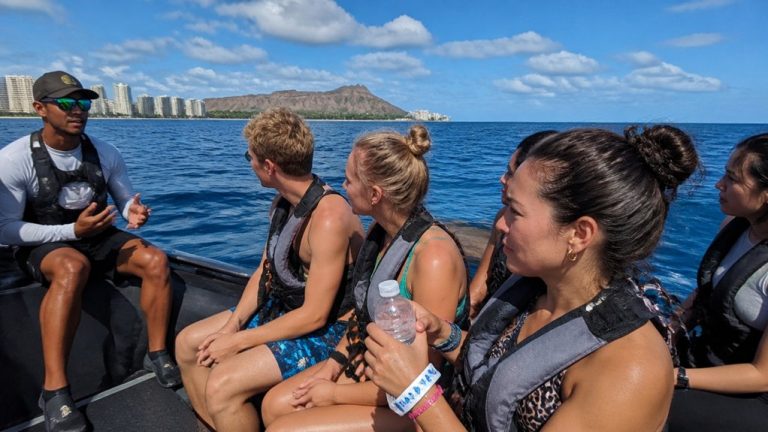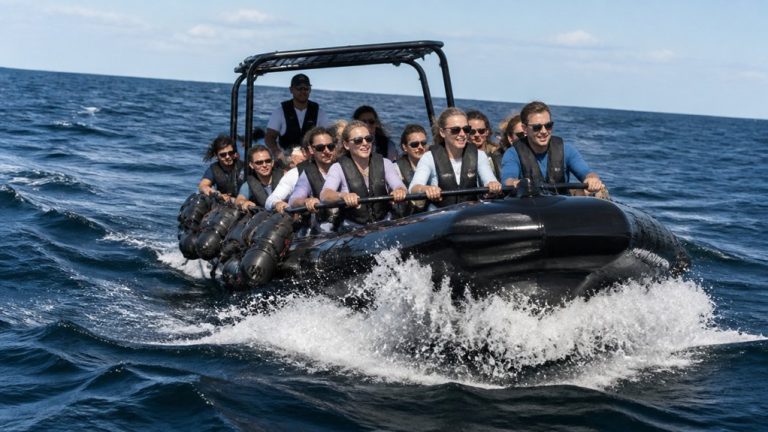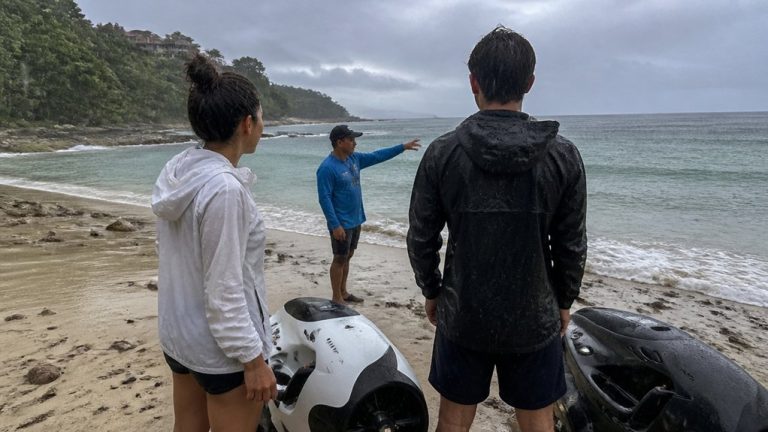

If you’re nervous, a sea scooter tour still fits you just fine because guides start you slow in calm, shallow water. You’ll get a quick safety briefing, adjust your mask and life jacket, and test the scooter at its gentlest speed before you head out. Soon you’re gliding over rippled sand, hearing your own steady breath through the snorkel, and spotting fish close to shore. A few simple habits make the whole first run feel surprisingly easy.
Key Takeaways
- Arrive 15–30 minutes early for waivers, gear fitting, and a short safety demo covering controls, route, and hand signals.
- Start in shallow, calm water at the lowest speed, practicing starts, stops, turns, and slow snorkel breathing for 5–10 minutes.
- Keep both hands on the handles, stay horizontal near the surface, and use small tilts with light fin kicks to steer.
- Tell your guide if you feel nervous, wear the life jacket if offered, and stay close to the group for support.
- Expect easy surface-level viewing near reef edges, where beginners often spot colorful fish, turtles, and rays within 10–20 minutes.
Voted Honolulu's #1 Beginner Scuba Diving + Free Videos Tour
Try scuba diving in Honolulu with this easy, beginner-friendly ocean adventure at Magic Island, Ala Moana Beach Park. Perfect for first-timers, this g...

Oahu: Submarine Scooter Adventure
Dive into an unforgettable underwater adventure on Oahu’s beautiful Maunalua Bay. Cruise past the iconic Diamond H...

Toa Luau at Waimea Valley, Oahu
Toa Luau invites you to immerse yourself in the beauty and excitement of Polynesia on Oahu’s historic North Shore!...

Oahu: Full or Half Day Grand Circle Island Tour
Choose from two exciting ways to experience Oahu's top attractions, scenic beauty, and local culture.Option 1: Dol...
Are Sea Scooter Tours Beginner-Friendly?

Wondering if a sea scooter tour is too much for a first-timer? Usually, no. You don’t need strong swimming skills, and many riders feel steady after just five to ten minutes of guided practice. A Sea Scooter keeps you mostly at the surface, so you can watch coral, flashing fish, and sun ripples without battling the water. That gentler glide feels like a Beginner’s Guide to Underwater exploring.
Operators also keep things Safe. You usually get a life jacket if you’re a non-swimmer, and guides stay in the water with you. That constant backup lowers nerves fast. On many Oahu sea scooter tours, beginners can expect a short orientation before getting comfortable in the water. Age rules matter, though. Some tours start around age ten, and younger kids need close supervision. Think of it as ocean adventure with a KidsPoolSafe mindset built.
What Happens Before the Tour Starts
That easy first-timer feeling usually starts before you even touch the water. To make check-in smooth, plan to arrive 15 to 30 minutes early so you have time for paperwork, gear fitting, and the safety briefing without feeling rushed. When you arrive, you’ll check in, sign a waiver, and get fitted with a life jacket, mask, and your sea scooter. Staff usually mention age limits too, so no one’s surprised at the dock. Next, your guide walks you through a quick on-deck demo. In five to ten minutes, you’ll see the hand grips, speed settings, and the simple quick-start steps. Then comes shallow water practice, which is exactly as reassuring as it sounds. You’ll begin at the lowest speed, stretch into a straight body line, and try gentle handle movements to steer. Before the route begins, the crew may also set up a camera mount and point out reef zones and wildlife spots.
What Happens in the Safety Briefing
In the safety briefing, you’ll check that your mask fits snugly, your snorkel sits right, and any life jacket or lanyard feels secure before you hit the water. Your guide will show you the hand signals for stop, help, and regroup, so you can communicate even when the motor hums and the water muffles everything else. You’ll also get a clear picture of the route, the depth and speed limits, and where not to wander if a turtle or shiny fish steals your attention. They may also walk you through what to expect step by step so you know how the tour will unfold from launch to return.
Gear And Fit Check
Start with the fit check, because a good ride begins before you touch the throttle. Your instructor adjusts your mask, snorkel, and fins so your safety gear feels snug, not pinchy. A sealed mask means easier breathing and fewer salty surprises. Then you learn the seascooter basics: hand grips, power on and off, speed settings, and the low battery light that means it’s time back. This safety briefing answers real questions first-time riders often ask before heading out.
| Item | What you check |
|---|---|
| Mask and fins | Tight seal, comfy straps, no chafing |
| Seascooter | Grip, throttle, battery warning |
Next, you practice a safe step in and exit, often with a wrist lanyard. A quick shallow water run lets you start, stop, and turn before the real fun. It lasts about five minutes, enough to calm nerves and spark curiosity.
Hand Signals Explained
Before the engine hum and the first splash, your instructor runs through the hand signals that make the tour feel calm and easy to follow. You’ll learn OK by making a circle with your thumb and forefinger, then repeat it back so everyone knows you’ve got it. For Problem/Need Assistance, you tilt a flat hand side to side or wave an open palm. Stop/Hold Position is simple: hold one hand up like a polite underwater traffic cop.
When the guide signals Come Here, you roll your fingers toward your body with a closed fist. You’ll also practice tapping your chest or regulator and pointing to your mouth if breathing feels off. Finally, a quick pre-dive check keeps things smooth: thumbs-up means ready, thumbs-down means wait. Paying close attention during the briefing is part of sea scooter safety and helps first-timers feel more confident before the tour begins.
Still comparing Sea Scooter Tour For First Timers: Nervous Beginner Tips?
Ask for tour ideas, hotel suggestions, or a simple trip plan that combines both.
Trip Helper
Route And Depth Limits
Once everyone knows the signals, the guide maps out exactly where you’ll go so the ride feels more like a relaxed follow-the-leader than a watery guessing game. You’ll hear the route from launch point to finish, plus easy markers like a reef edge, a mooring line, or a sandy patch where you’ll regroup. For beginners, that simple map lowers nerves fast. The briefing also covers depth limits. Most shallow sea-scooter tours stay around 1 to 5 meters, so you can watch fish flicker over coral without dropping too deep. In Waikiki, tour depth is usually kept shallow for first-timers, which helps the experience feel calm and manageable. You’ll learn where boats and snorkelers may pass, which coral zones are off-limits, and how to surface or stop if currents, tides, or visibility shift. It’s practical safety, with a clear Plan B built in.
What to Wear and Bring
You’ll have a better ride if you wear gear that fits close and stays comfortable, from a well-sealed mask and easy fins to a rash guard or thin wetsuit when the water feels cool. You should also bring the small stuff that saves the day, like a dry bag, reef-safe sunscreen, and a waterproof camera with a secure strap if you want those bright blue snapshots. If you’re launching from rocks, water shoes help, and you’ll want to clip back long hair and leave jewelry behind so nothing snags when the scooter starts to hum. It also helps to pack the essential gear ahead of time so you’re not scrambling at the launch point.
Essential Clothing
Packing right makes a sea scooter tour feel smoother from the first splash. Start with a well-fitting mask and snorkel, ideally with a soft silicone skirt that seals without pinching. In cooler water, wear a neoprene wetsuit top or snorkel vest so you stay warm and buoyant through a 30 to 60 minute ride. Many operators include wetsuits and gear on sea scooter tours, but it’s smart to confirm what’s provided before you arrive.
Add fins that match your foot size. If you wear booties, choose open-heel fins with straps. Keep them light so your legs don’t tire while the scooter hums ahead. A snug rash guard or UPF 50+ swim shirt helps block sun and prevents handle chafe. Finish with a bright swim cap or safety vest. Guides can spot you faster, which feels reassuring when you’re still finding your sea legs out there.
Must-Bring Gear
Good clothing choices set the tone, and the gear you bring makes the ride far easier once you hit the water. Wear a snug rash guard or swimsuit that stays put in the water, since essential attire in Waikiki should be lightweight, secure, and comfortable for snorkeling conditions. Pack a well fitting mask and snorkel, plus fins that feel good with neoprene socks for easy entries and exits. Add reef safe sunscreen, a light towel, and ID or medical info in a waterproof pouch.
If you’re filming those fish and wavering sunbeams, bring a charged action camera or a phone in a waterproof case with a tether. Many underwater scooters have GoPro mounts, which is handy. Check Battery Life before you launch, and aim for 45 to 60 minutes. A spare battery keeps the fun going. Toss in prescription lenses or medications too, because the ocean doesn’t pause for forgotten basics.
How to Ride a Sea Scooter
Before heading into deeper water, start in a shallow, calm area and get a feel for the sea scooter on its lowest speed. As a Beginner, hold both handles, stay horizontal, and keep your head up while you glide Underwater. You can usually breathe normally on a sea scooter tour, since standard rides keep your head above water unless your guide explains otherwise.
- Start with low throttle, then build speed gradually.
- Use small tilts to steer, plus light fin kicks.
- Check battery and depth LEDs often.
- Know the shutoff, and follow every Safety brief.
Your Sea Scooter responds fast, so tiny inputs work better than big swings. Many rentals cruise around 1 to 2 m/s, which feels zippy enough. Wear a life jacket if it’s offered. Leave reefs and marine life untouched, and head back up with about 25 to 30 percent battery left for comfortable surfacing.
How to Stay Calm on the Tour

Once you know how the scooter handles, staying calm gets much easier because you can give your attention to the water instead of the controls. Practice breathing through a snorkel on land, then in shallow water for five to ten minutes. A snug mask and life jacket add instant reassurance. Many people find the first timer walkthrough useful because it shows what to expect before you enter the water.
| Do this | Why it helps |
|---|---|
| Start on the lowest speed setting and stay near the surface. | You adjust to the pull without feeling rushed. |
| Tell your guide you’re nervous and stick with guided groups. | Close support and a quick demo settle first-minute jitters. |
Keep your eyes on your guide or a nearby point, not the big blue. Slow breaths set the pace. Your heartbeat usually gets the memo. You’ll feel steadier in just minutes.
What You’ll See Underwater
Often, you’ll spot the best action surprisingly close to the surface, where colorful coral reefs and thick schools of tropical fish gather along the reef edge in just 5 to 20 feet of water.
With sea scooters, your underwater exploration feels smooth and quiet, so you can watch parrotfish, angelfish, and butterflyfish flick past coral heads and ledges. On Waikiki tours, reef fish are often the highlight, adding constant movement and color to shallow underwater views. You might also catch sea turtles or stingrays cruising sandy flats, as if they own the place.
Beginner routes often deliver:
- Seagrass beds
- Coral bommies
- Clear GoPro-style photos
- Strong visibility
Most sights appear within a 10 to 20 minute ride from shore or boat, and good visibility makes shallow reef viewing easy without deep diving. You’ll hear your breath and the crackle of reef life.
First-Time Sea Scooter Mistakes to Avoid
Even if the water looks calm and inviting, your first mistake can happen before you leave the shallows. As a beginner, don’t skip the briefing. Sea scooters are easy to use, but you should practice starts, stops, and the emergency shutoff first. Before booking, check the weight limit for the sea scooter tour so the ride stays safe and properly balanced.
| Mistake | Why it matters | Better move |
|---|---|---|
| Rush throttle | Panic breathing | Start low |
| Skip seals | Flood risk | Check O-rings |
| Ignore battery | Power dies | Test spare |
| One-hand steering | Wobble fast | Keep both |
| Crowds boats | Collision trouble | Give space |
Keep your body straight, steer gently, and wear safety gear. Stay clear of marine life and boat lanes. Watch depth limits too. Many scooters hit about 1.8 m/s, which feels quick when bubbles hiss in your ears and your grin gets ahead of your judgment sometimes.
Frequently Asked Questions
Are There Age or Height Requirements for Sea Scooter Tours?
Yes, you’ll usually face age limits and height restrictions on sea scooter tours. Operators may also enforce weight guidelines, and younger riders often need child supervision. Check each provider’s rules before you book online ahead.
Can I Join if I Wear Glasses or Contact Lenses?
Yes, you can join with glasses or contacts if you use wearing goggles alternatives, prescription inserts, or secure masks with adjustable straps. Tell staff beforehand, test for mask fogging, and bring backups for lens protection.
What if Bad Weather Affects the Tour Schedule?
If bad weather disrupts your tour, you’ll follow the operator’s safety protocol, then check the refund policy and reschedule options. You should monitor forecasts, stay flexible, and confirm whether deposits transfer or later spots open.
Are Underwater Photos Included, and How Do I Get Them?
Usually, yes, but here’s the catch: you should confirm booking details. You often get photos right after via AirDrop or download link. Ask about camera rental, editing tips, storage options, and sharing etiquette before launching.
Should I Take Motion Sickness Medicine Before the Tour?
Yes, if you’re prone to motion sickness, you should take preventative measures. Follow medication timing carefully, watch side effects, and try alternatives natural like ginger remedies. They can steady your inner ear against pressure changes.
Conclusion
Your first sea scooter tour doesn’t need bravado. It just needs a calm start, clear signals, and a little practice in the shallows. Imagine this: after ten quiet minutes, you’re gliding past rippled sand while a bright blue fish flashes by your mask and the motor hums softly in your hands. Stay near your guide, keep your speed low, and trust the rhythm. Soon, nerves fade, and curiosity takes over just offshore.