You want clear water, calm guides, and gear that simply works. A sea scooter tour can feel easy and fun when you glide over shallow reef, hear the soft whir of the motor, and stay close to a divemaster who knows the site like a backyard path. But safety depends on more than the view, and a few smart questions can tell you a lot before you ever dip a fin in.
Key Takeaways
- Yes, sea scooter tours are generally safe when run by reputable operators in shallow, calm water with trained guides providing constant supervision.
- Safety improves because riders use buoyant, tethered scooters with guarded propellers, trigger locks, and automatic shutoff systems.
- Pre-tour briefings, buddy checks, hand signals, and emergency procedures help beginners understand exactly how to ride safely.
- Most operators screen for age, size, health, and comfort level, then match equipment and support to each participant.
- Risks still exist, including collisions, propeller jams, battery failure, and poor conditions, so confirm maintenance, depth limits, and supervision before booking.
Is a Sea Scooter Tour Safe?
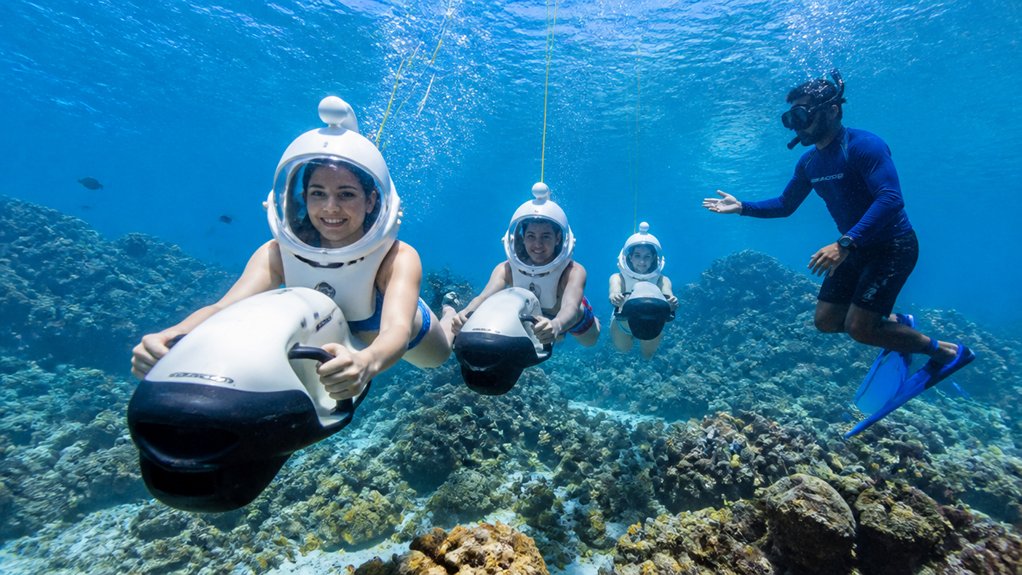
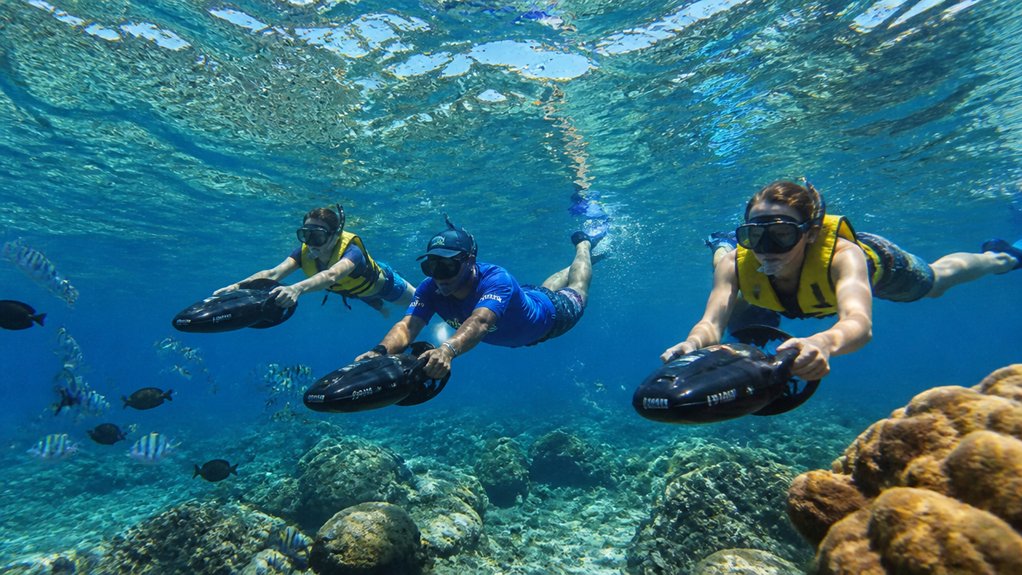
Usually, a sea scooter tour is quite safe when you book with an experienced operator and pay attention to the briefing. In practice, you’ll usually glide through shallow, familiar water, often around 7 to 8 feet deep, where the bottom stays in view and currents feel gentle. Guides stay close, help you get comfortable, and keep the pace calm. That hands-on support makes Underwater scooters safe for many first-timers. Commercial machines also carry useful safety features, including guarded propellers, built-in buoyancy, and systems that stop the motor if water gets where it shouldn’t. Many tours use buoy-tethered sub-scooters, so you stay connected while you cruise above sand, coral patches, and flickering schools of fish. Before entering the water, guides usually walk you through what happens step by step, so you know how the tour works from start to finish. Meet age, height, and health rules, and you’ll feel relaxed.
What Makes a Sea Scooter Tour Low Risk?
That sense of safety comes from a few simple choices that stack the odds in your favor. You ride in well-known, calm sites, and that helps underwater scooter safety feel practical, not mysterious. Reputable operators keep trained divemasters beside you, so you’re never guessing what comes next. The scooters themselves add protection, with buoyant bodies, propeller guards, trigger locks, and auto shutoff if water gets where it shouldn’t. Good tours also screen guests, give clear briefings, and plan for battery life before anyone zips off like a dolphin with errands. It feels organized from dock to snorkel mask. Checking the weight limit ahead of time also helps confirm the tour is a good fit and keeps the equipment operating as intended.
Good scooter tours make safety feel simple: calm routes, close guides, smart gear, and clear briefings from dock to mask.
- Calm, familiar routes
- Guides who stay close
- Built-in scooter safeguards
- Sensible age, size, and health checks
- Briefings that cover controls, travel handling, and what to expect
How Deep Does a Sea Scooter Tour Go?
Because these tours are built for easy fun, they don’t send you deep. On many commercial trips, you’ll glide through shallow water only about 7 to 8 feet deep, where coral, bright fish, and sunrays are easy to spot. In Waikiki by sea scooter, that kind of shallow depth helps keep the experience relaxed while still giving riders a clear view of marine life. Those conservative depth limits aren’t boring. They’re one of the key safety precautions. Operators and manufacturers keep settings modest to lower pressure risks and make guides’ jobs simpler.
Many scooters also have factory depth ratings, automatic shutoffs, or built in settings that stop deeper dives. That means less worry about quick ascents, easier recovery if a scooter pops loose, and smoother supervision all around. Before you book, ask the operator about the planned depth, so you know exactly how deep your underwater joyride goes today.
Who Can Join a Sea Scooter Tour?
Joining a sea scooter tour is easier than many first timers expect. You can usually join if you’re at least 10, stand four feet tall, weigh under about 350 pounds, and feel generally healthy. Calm, shallow water keeps the experience welcoming, even for cautious travelers too.
Sea scooter tours are surprisingly approachable: if you meet basic age, size, and health guidelines, calm shallow water does the rest.
- Guides from reputable companies brief you, demonstrate the equipment, and stay with your group.
- Operators pick calm sites, such as Maunalua Bay, where visibility is good and depth stays around seven or eight feet.
- If you have medical concerns, call ahead or speak up on site before you go.
- Bring a Dive mindset, stay curious, and listen closely during the quick shore briefing.
- That structure can help children gain confidence, and you’ll feel proficient in handling the scooter.
Many beginner tours are designed around calm, shallow water, which helps new riders feel more comfortable from the start.
Do You Need to Know How to Swim?
You don’t usually need strong swimming skills for a guided sea scooter tour, and many operators welcome non-swimmers. You’ll stay in shallow, calm water while staff keep close, with flotation support and buoyant scooters that help you remain near the surface if you get uneasy. If you’re nervous, you can say so before you go, and the crew will adjust the briefing and support so the whole ride feels more breezy than bracing. Many first-time riders ask about this in sea scooter tour FAQs, so it’s one of the most common concerns operators are prepared to answer.
Swimming Skills Required?
Wondering if you need strong swim skills to try a sea scooter tour? Usually, there’s no formal swimming ability required on beginner-friendly outings. Many tours happen in shallow water, often around 7 to 8 feet, where you can stay calm and close to the surface. With buoyant scooters tethered to floating buoys, you don’t need Olympic strokes, just basic comfort in the water and a willingness to listen, breathe, and enjoy the view. On many beginner tours, swimming skills are not strictly required as long as you feel comfortable in the water and follow the guide’s instructions. You’ll want to ask questions beforehand so the only surprise is the bright fish flickering past your mask in blue water.
- Shallow routes feel less intimidating.
- Surface setups help you stay relaxed.
- Ask about age, height, and weight rules.
- Good health still matters before booking.
- Reputable operators make beginners feel more confident.
Staff Support In Water
Even if your swim skills are modest, the bigger comfort factor is this: trained divemasters and instructors stay in the water with you, so you’re not left to figure things out alone.
You get hands-on assistance from the start, plus pre-dive briefings and safety demonstrations that show you how to hold the scooter, breathe calmly, and surface if needed. Many tours don’t require swimming at all. The sub-scooter is often buoyant and tethered to a floating buoy, so you stay near the surface and staff can recover you quickly. In Waikiki, knowing where tours depart can also make the day feel more predictable, since clear launch points help guests arrive prepared and on time. If you’re nervous, say so. Ask questions before you book or right on the boat. Operators also check age, height, weight, and health limits first, which keeps the outing feeling orderly, supervised, and drama free.
What Briefing Comes Before a Sea Scooter Tour?
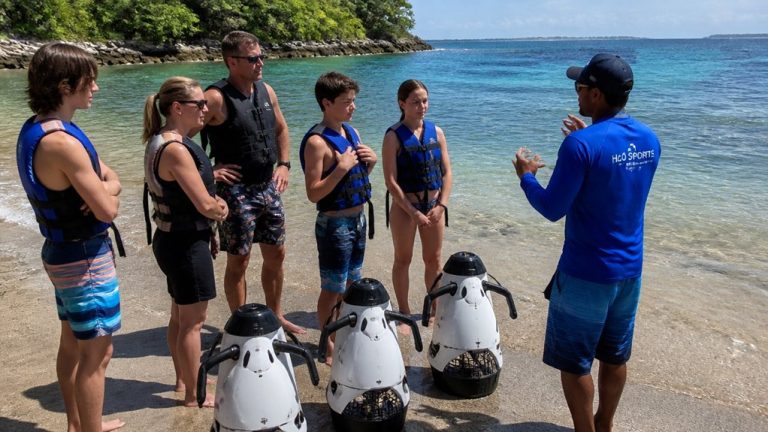
Before anyone zips into the water, the crew gives a clear safety briefing that covers the whole ride from handle to finish. In this pre-tour safety briefing, you learn the route, shallow depth, and basic safety measures, including the on/off switch, trigger lock, and what to do if you let go. They also explain check-in timing so everyone arrives early enough to get fitted, listen carefully, and start the tour without rushing.
- Age, height, weight, and health rules
- How to hold, start, stop, and recover the scooter
- Buoyancy tips and the floating buoy attachment point
- Signals, buddy checks, and how guides stay close
- Coral, currents, marine life, and collision spacing
You also hear one comforting promise: if anything feels off, tell staff right away, and you won’t be left to play hero. That calm tone matters when the water looks bright, busy, and a little mysterious.
Which Sea Scooter Safety Features Matter Most?
When you size up a sea scooter, start with the parts that protect you fast: propeller guards, trigger locks, and a shutoff that kicks in the moment something goes wrong. You’ll also want positive buoyancy or a float line, so if you let go in a splash of bubbles and noise, the scooter pops back up instead of sinking out of reach. These features may not look flashy, but they’re the quiet heroes that keep your tour smooth, simple, and a lot less dramatic. It also helps when tours include wetsuits and gear, since properly fitted equipment adds comfort and supports safer time in the water.
Propeller Guards And Locks
Peace of mind starts with the parts you can spot at a glance: a solid propeller guard and a proper safety lock. On tour, you want propeller guards that fully cage the blades, so fingers, hair, straps, and curious fish stay clear. You also want trigger locks or a two-step start, because accidental launches are funny only in cartoons.
- Full cages block contact
- trigger locks prevent surprise starts
- Two-step activation slows mistakes
- Tour-grade builds suit new riders
- auto-shutoff systems add backup
When you check in, glance at the nose and handle. The guard should feel sturdy, not flimsy. The lock should click with intent. Guides notice these details fast. You can too. They signal a scooter built for real water, not toy-store vibes today.
In Hawaii, these safety features also support reef etiquette by helping riders avoid accidental contact with fragile coral and marine life.
Buoyancy And Auto-Shutoff
Even in calm, clear water, buoyancy and auto-shutoff do a lot of quiet safety work. If you let go of many sea scooters, built-in buoyancy helps them float instead of sinking out of sight. On shallow tours, often around 7 to 8 feet deep, that means less gear loss and an easier path back toward the surface.
Auto-shutoff adds another layer. If debris, loose clothing, or water gets into the propeller area or battery compartment, power cuts fast to reduce injury and electrical damage. You’ll also appreciate trigger locks, safe-start modes, or a double-tap sequence that prevents surprise starts. For kids and first-timers, that matters. Low battery alerts help you avoid a long swim. Depth-limiting safety features also keep you within safe recreational ranges underwater. Bringing essential gear on a sea scooter tour adds another level of preparedness and supports safer time in the water.
What Risks Can Happen During a Sea Scooter Tour?
Although sea scooter tours feel smooth and futuristic, a few real risks can show up once you’re moving through open water. Your underwater scooter can pull faster than you expect, so currents or inexperience may send you toward coral, another diver, or even a boat collision zone.
- Strong thrust can steal control near reefs and traffic
- Seaweed or loose straps can jam the propeller fast
- Battery failure or overheating may cut power before shore
- Fast ascents can stress your body and raise dive risk
- Flooded compartments or bad seals can trigger shutdowns
You also need to watch depth limits and runtime, often around 60 minutes. Asking operators about accessibility questions before booking can also help you spot safety concerns for different mobility or comfort needs. Salt, noise, and speed feel exciting, but they reward careful handling on bright days with choppy surface chop overhead.
How Are Sea Scooter Emergencies Handled?
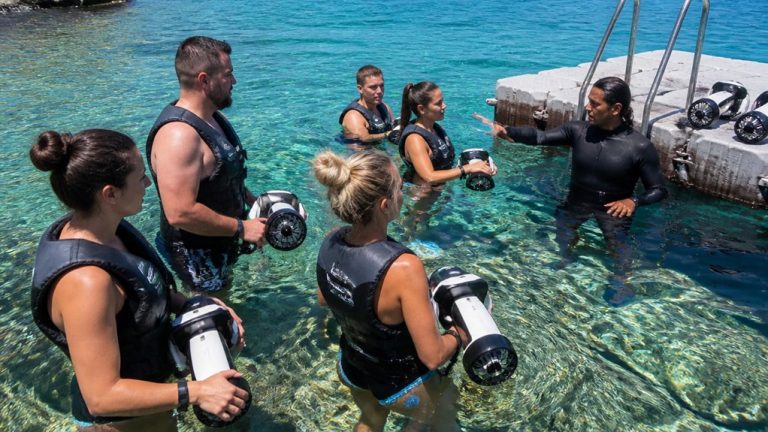
Because most sea scooter tours stay in shallow, familiar water and keep a divemaster close, emergencies are usually handled fast and right where they happen. Before you enter the water, staff brief you, check batteries, and inspect each scooter. During the ride, they stay near enough to spot trouble in the clear, sunlit shallows.
If your scooter fails, you’re taught to remain calm, release or secure the buoyant unit, and swim to the surface, boat, or shore. Safety features help too, including propeller guards, quick-release latches, safe-start modes, and automatic shutoffs for flooding or propeller intrusion. If a battery problem appears, guides move guests back, contain the battery, use signaling devices, and call local emergency services if needed while keeping your group together nearby.
Families should also review the tour’s age limit rules before booking, since operators set minimum ages to help match riders with the right supervision and conditions.
Are Sea Scooter Tours Safe for Kids?
If you’re wondering whether kids can join, you’ll usually need to check the basics first: many tours set a minimum age of about 10, a height of at least four feet, and a weight limit under 350 pounds. You’ll also want to look for kid-friendly units with buoyancy, guarded propellers, and slower speeds, because those features help your child stay near the surface instead of zipping off like a tiny torpedo. Just as important, you should choose a tour with constant staff supervision and clear pre-ride briefings, so your child feels comfortable and you can relax enough to enjoy the salt air and bright water too. On many Sea Scooter Tours, age limits and safety rules are clearly explained in advance so families can decide whether the experience is a good fit for their kids.
Age And Size Limits
When you’re wondering whether a sea scooter tour is safe for kids, age and size limits tell you a lot right away. Minimum age requirements usually start around 10, though some tours welcome 8-year-olds with child-specific scooters built for smaller riders.
- Ask the operator for exact age rules
- Check Height and weight limits before booking
- Look for reduced-speed child-specific scooters
- Confirm your child feels okay in the water
- Match the scooter to the site and conditions
For families booking in Waikiki, asking about comfort tips can also help you choose a tour that feels easier and more enjoyable for both kids and older adults. Height and weight limits matter because fit affects control, balance, and buoyancy. Many tours want riders at least four feet tall and under roughly 350 pounds. Those numbers aren’t random. They help keep the ride smooth, the grip secure, and the underwater glide easy and memorable for everyone.
Supervision And Comfort
Age and size rules set the baseline, but close supervision and a child’s comfort often tell you even more about whether a sea scooter tour feels safe. On reputable tours, you’re not drifting off alone. Instructors stay nearby, watch body language, and adjust gear or plans if your child seems unsure. For many families, calm confidence grows fastest when first-timers get patient guidance and an easy pace.
| What you notice | Why it matters | What staff do |
|---|---|---|
| Nervous face | Comfort drops fast | Give calm instruction |
| Slow kicks | Swimming skill varies | Keep tours supervised |
| Light scooter | Easier control | Use buoyant models |
| Surface worries | Kids need reassurance | Offer child-friendly options |
That means many kids don’t need strong swim skills. Guides handle equipment, propeller guards reduce risk, and parents can flag concerns early too. They’ll even suggest alternatives if the ocean feels loud today.
How Do You Choose a Safe Sea Scooter Tour Operator?
Before you book, look for a sea scooter operator with a long, solid track record and guides who know the water like a local trail map. You want experienced divemasters, clear briefings, and safety courses that show how the underwater scooter works before anyone splashes in.
- Established company in proven, safe sites
- Age, height, weight, and health limits enforced
- Guides stay with every guest at all times
- Shallow depths, mild currents, buoy-tethered scooters
- Demo, failure procedures, and responsive phone support
- Clear cancellation policy shared before booking
A strong operator makes the ocean feel organized, not wild. You should see calm logistics, simple rules, and crews who treat safety like sunscreen. Essential, visible, and never optional. That means less guesswork, smoother starts, and more time noticing fish flicker over sandy bottoms below.
What Should You Ask Before Booking a Sea Scooter Tour?
Although the water may look calm and inviting, you’ll want to ask a few pointed questions before you book a sea scooter tour. First, confirm your group qualifies. Ask about age, height, and weight limits, since many tours require riders to be at least 10, at least 4 feet tall, and under 350 pounds. Next, ask how deep you’ll go and what the site feels like. In Maunalua Bay, for example, tours often stay just 7 to 8 feet down with mild currents, clear water, and plenty of fish. You should also ask about the tour length, since knowing how long a Waikiki sea scooter ride lasts can help you judge whether it matches your comfort level in the water. Then dig into safety. Ask whether trained divemasters supervise buddies and how long the company has run tours. Finally, check your underwater scooter equipment. Ask about battery rules, maintenance logs, propeller guards, buoyancy, and quick shutoff features too.
Frequently Asked Questions
Can You Wear Glasses or Contact Lenses on a Sea Scooter Tour?
Yes, you can wear contact lenses on a sea scooter tour, but you shouldn’t wear regular glasses; use prescription goggles, apply anti fog solution, and leave sports sunglasses onshore for a secure, comfortable underwater ride.
Is Seasickness a Concern During a Sea Scooter Tour?
Usually, you won’t find seasickness a major concern, because you face limited wave exposure and a short boat transfer. If you’re prone to motion sickness, take medication beforehand and tell staff; they’ll keep you comfortable.
Can You Bring an Underwater Camera on a Sea Scooter Tour?
Yes, you can bring an underwater camera on a sea scooter tour if you secure camera mounts, skip restricted underwater lighting, check memory storage, and follow rules so you won’t obstruct controls or safety gear.
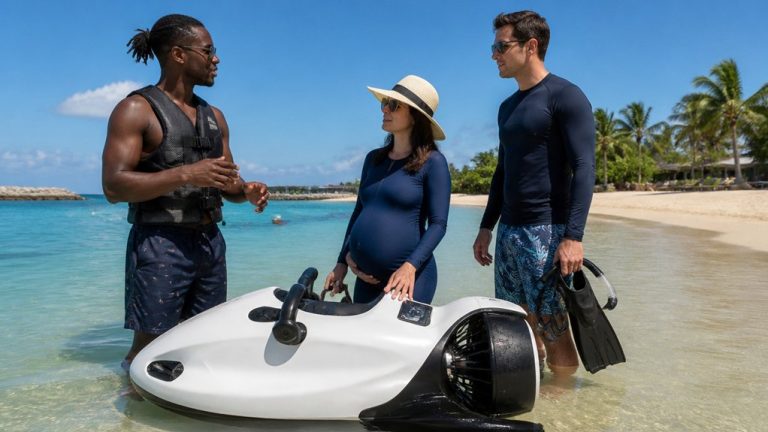
Are Sea Scooter Tours Suitable During Pregnancy?
Usually, you shouldn’t, like a jolting shopping cart, sea scooter tours can jar you. Follow pregnancy precautions, ask about trimester restrictions, and get medical clearance first; many operators won’t allow pregnant riders anyway for safety reasons.
What Should You Wear on a Sea Scooter Tour?
You should wear Lightweight layers, Quick dry clothing, and Sun protection accessories, plus a well-fitting mask, fins, and a life jacket if required. Add a wetsuit or rash guard, and secure hair, jewelry, and straps.
Conclusion
You can feel the appeal fast: a quiet glide, clear water, and reef colors close enough to study without chasing them. Most guided sea scooter tours stay in shallow water, often under 20 feet below, which helps keep the experience controlled and beginner friendly. If you choose a careful operator, ask the right safety questions, and follow the briefing, you’ll likely spend less time worrying and more time listening to bubbles fizz past your helmet.