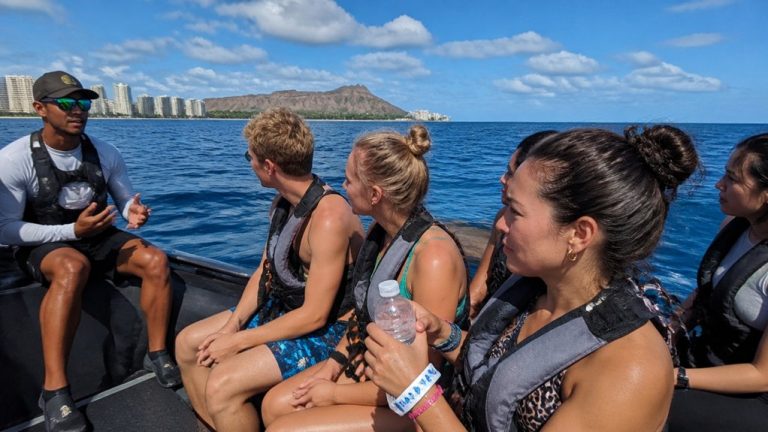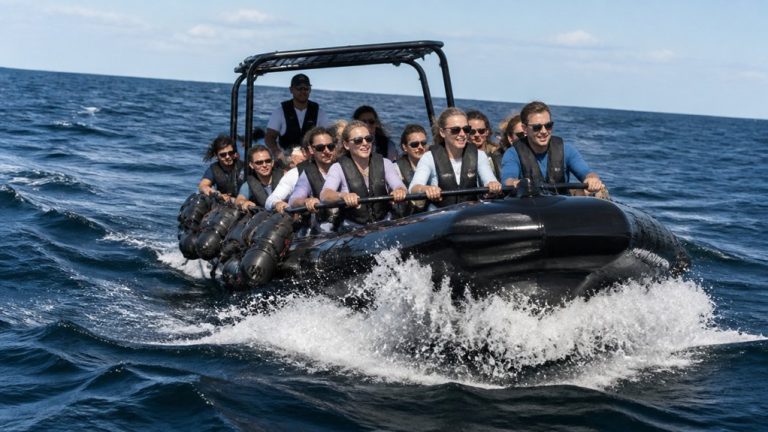
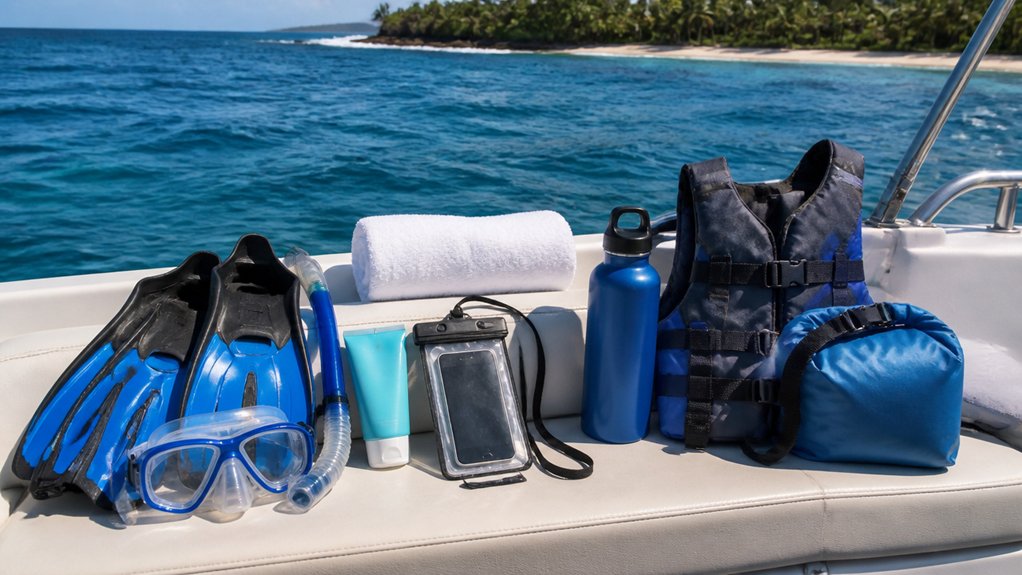
Salt dries on your forearms as the scooter hums under clear blue water and the reef flickers below like moving glass. You’ll have more fun if you pack for the small stuff before you go. Think reef-safe sunscreen, a rash guard, water shoes, and a dry bag for your phone and cash. A few extras matter more than you’d guess, and one common packing mistake can ruin the day.
Key Takeaways
- Bring reef-safe SPF 30–50 sunscreen, a rash guard, hat, and sunglasses to protect against sun, wind, and irritation.
- Wear a swimsuit under light clothes, and pack dry clothes, a towel, and secure water shoes for comfort before and after.
- Use a waterproof phone pouch or small dry bag for your phone, ID, cash, medications, and other essentials.
- Most tours provide mask, snorkel, fins, and life jacket, but bring a personal mask or prescription gear if fit matters.
- If bringing your own sea scooter, keep lithium batteries in carry-on, verify watt-hour limits, and protect terminals for airline security.
What Should You Pack for a Sea Scooter Tour?
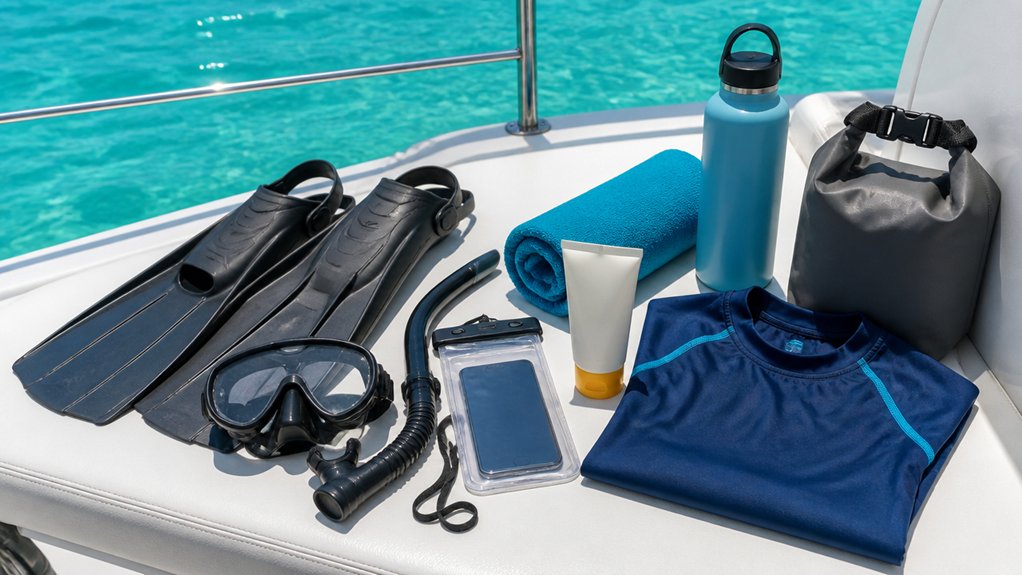
A few smart essentials can make your sea scooter tour feel easy from the moment you step on the boat. Pack reef-safe sunscreen, a towel, and a waterproof phone case or dry bag, so spray and drips don’t ruin your day. If you like familiar gear, bring your own mask and snorkel for the Underwater Scooter ride. Many operators also include wetsuits and gear on sea scooter tours, so you may not need to pack bulky extras. Tuck motion-sickness tablets or wristbands into an easy pocket if waves sometimes win. Bring any medical must-haves, especially an inhaler, and keep IDs or signed waivers handy when minors join. It’s also wise to carry cash or a card for extras like digital photos after the trip. Add a spare zip-lock bag or protective cover for batteries and electronics. Saltwater has a talent for sneaking everywhere fast.
What Should You Wear on a Sea Scooter Tour?
Once your bag is sorted, what you wear can make the whole sea scooter tour feel smoother from the first step onto the boat. Start with your swimsuit under light clothes, so you can change fast and be water-ready without fumbling on deck. Add a wetsuit top, if the tour provides one, or wear a rash guard for warmth and sun cover in 78 to 82 degree water. This essential attire helps you stay comfortable and prepared for a sea scooter tour in Waikiki.
On your feet, choose secure water shoes or reef-safe footwear with flat soles. They’ll help on slick ladders, rocky shore entries, and the shuffle toward your scooter. Before and after the ride, use reef-safe sunscreen, then top things off with a hat. If you like sunglasses on deck, clip on a retainer. The ocean steals fast.
Do You Need Your Own Snorkel Gear?
You probably won’t need to pack snorkel gear because most sea scooter tours hand you a mask, snorkel, fins, and often a wetsuit top or suit right on the boat. Still, you may want your own mask or suit if you need a better fit, prescription lenses, extra warmth, or the easy confidence that comes from gear you already know. On an Underwater Sea Scooter Oahu tour, operators usually explain how the gear works before you get in the water. If you bring it, rinse and dry it between uses and stash it in a small mesh bag or dry bag so it stays clean and ready for the next splash.
Gear Usually Provided
Even if it feels like a bring-your-own-everything kind of water day, most sea scooter tours already cover the basics. You can usually expect a mask, snorkel, fins, and a wetsuit or wetsuit top waiting at check-in. Many Underwater Scooters tours also include life jackets and an in-water guide, especially when the ride uses SeaBobs or helmet-style scooters. That means you won’t need extra flotation or breathing gear. The setup is simple and reassuring. You suit up, hear a short safety talk, and head for the water. This safety talk usually explains how the tour will work step by step before you begin. If you have special needs, pack reef-safe sunscreen, a snorkel vest, or prescription mask lenses. Specialized or medical items aren’t always available on every boat or beach departure point.
When To Bring Yours
If a standard rental mask never quite seals on your face, bringing your own snorkel gear can make the whole ride smoother from the first splash. You should bring your own snorkel, mask, and fins only if you prefer a custom fit, since tours typically provide snorkel gear, fins, and wetsuit tops, so it’s optional. Focus first on the extras operators may not hand out. Pack reef-safe sunscreen before you board, plus a towel for the walk back to shore. Slip a waterproof phone case or dry bag into your tote so keys and cards stay dry. You won’t need your life jacket because guides provide one, even for non-swimmers and kids 10 and up. Flying with a scooter battery? Check airline rules first. Since tours leave from Waikiki departures, pack everything in one easy-to-carry bag for the trip to the launch point.
Fit, Hygiene, Preference
Most sea scooter tours hand you the basics, including snorkel gear, fins, and a wetsuit top, so your own mask and snorkel fall into the nice-to-have category, not the must-pack pile. If you love a perfect seal, need prescription lenses, or hate foggy snorkeling, bring your own. Wear your swimsuit under clothes and toss in a towel. First-timers often appreciate familiar gear on a Waikiki underwater scooter tour because it can make the experience feel less intimidating.
| Bring | Why |
|---|---|
| Personal mask | Better fit, less fog |
| Rash guard | Sun cover, familiar feel |
| Earplugs | Extra comfort |
| Labeled gear | Avoid mix-ups |
Check rules before packing a full-face mask. Many tours don’t allow one for safety. A spare strap or mouthpiece can also save the day. If you’re cautious in the water, familiar gear feels calmer when the scooter hums and bubbles tick past your cheeks underwater nearby.
Should You Pack a Rash Guard or Wetsuit?
What should you pack for a sea scooter tour: a simple rash guard or a full wetsuit? If you want light gear, pack a rash guard. It dries fast, feels soft under a life jacket, and helps prevent sun exposure and boat chafing during long rides.
Still, many operators provide a wetsuit top, and some require one, so check the policy before you duplicate gear. In warm places like Hawaii or the Caribbean, a snug 1-3 mm shorty adds buoyancy, cuts wind chill after you surface, and makes full-immersion SeaBob runs more comfortable. For seniors in Waikiki, comfort often comes down to choosing gear that feels easy to wear for the full tour. If you’re chilly or not a strong swimmer, your own wetsuit can boost confidence. If not, keep it simple and save suitcase space for snacks, fins, and dry clothes after.
Why Does Reef-Safe Sunscreen Matter?
When you’re skimming over clear water on a sea scooter, reef-safe sunscreen helps keep those bright coral gardens healthy instead of stressing them with chemicals like oxybenzone and octinoxate. You also give fish, turtles, and other marine life a safer place to swim, and mineral formulas with non-nano zinc oxide or titanium dioxide can feel gentler on sensitive skin. Pick a water-resistant broad-spectrum SPF 30 to 50, put it on before you hit the water, and you’ll protect yourself while keeping your ocean footprint a little lighter. For Hawaii ocean outings, choosing reef-safe sunscreen is a simple way to enjoy the water while helping protect fragile marine ecosystems.
Protecting Coral Reefs
Coral reefs are the bright, busy cities of the sea, and the sunscreen on your skin can affect them more than you’d think. Conventional formulas often use oxybenzone and octinoxate, which can trigger coral bleaching and damage fragile coral larvae even in tiny amounts. Choosing reef-safe sunscreen helps you avoid adding to reef disease and slow damage near popular snorkeling spots, where lotion wash-off builds up. Look for non-nano zinc oxide or titanium dioxide. Skip sprays, oils, parabens, PABA, and nano-scale particles. Apply it 15–20 minutes before you enter the water, then pull on a UPF rash guard to keep more lotion on you and off the reef during your sea scooter ride today. Following reef etiquette on sea scooter tours in Hawaii also helps reduce accidental harm to these delicate habitats. Your photos will thank you when the reef still glows.
Safer For Marine Life
Because a sea scooter lets you glide close to reefs and seagrass, the sunscreen you choose doesn’t just protect your skin. It also affects the animals and corals around you. Many conventional formulas use oxybenzone and octinoxate, chemicals linked to coral bleaching and DNA damage in larvae at tiny levels. Reef-safe sunscreens rely on non-nano zinc oxide or titanium dioxide instead, so they stay on your skin and are far less likely to harm marine life. Healthy reefs also provide coastal protection by helping buffer shores from waves and storms. That choice also helps you follow rules in places like Hawaii and Palau. Apply it 15 minutes before you enter the water, then reapply as directed. A rash guard, shade, and a wetsuit cut sunscreen use and keep more chemicals off the reef during your ride out there.
Better For Sensitive Skin
That same reef-safe pick can make your skin happier too, especially after a long, bright morning skimming over salt spray and glare. Many reef-safe sunscreens skip oxybenzone and octinoxate, two filters tied to coral harm that can also bother reactive skin. Instead, mineral formulas with non-nano zinc oxide or titanium dioxide stay on the surface, so they’re less likely to sting, soak in, or trigger allergies.
For a sea scooter tour, choose broad-spectrum SPF 30 to 50, fragrance-free, and water-resistant for 40 to 80 minutes. Reapply after toweling off or between swims, because sun bounces hard off the water. If your skin gets dramatic, patch-test on your inner forearm a day or two ahead, and pack a backup zinc stick just in case too. Choosing gentler sun protection also helps reduce unnecessary stress on nearshore habitats where green sea turtles commonly forage on Hawaiian reefs.
What Towels and Dry Clothes Should You Bring?
Once you climb back onto the boat, you’ll want a quick-drying microfiber towel close by since it packs down to about 12 by 24 inches folded and still does a solid job drying your hands, face, and even the inside of your helmet or wetsuit.
Then change into a dry shirt, underwear, and shorts or pants so you stay warm and skip that sandy, clingy post-ride chafe. A lightweight rash guard or long-sleeve top also helps. It blocks extra sun and wicks moisture while you head home. If the breeze turns cool, pull on a thin zip-up hoodie or windbreaker. Keep anything wet separated from your clean clothes, or your daypack will start feeling like a portable puddle by the time you reach shore. It also helps to pack these items where they’re easy to reach during tour check-in, especially if you need to arrive early before your sea scooter tour departs.
Which Waterproof Bags Are Best for a Sea Scooter Tour?
Keeping your dry clothes separate is only half the job, so your next win is a waterproof bag setup that can handle spray, salt, and the occasional sloppy reboarding. Choose a 5 to 20 L dry bag with IPX8 protection or welded roll-top seams for your phone, wallet, and spare layers. Add a clear zip-seal phone case pouch on a lanyard, rated for 1 to 2 meters. For cameras, pick a hard case or floatable housing to 10m. Use a lockable waterproof duffel for the scooter in checked luggage, and keep the battery cased in carry-on. If you are driving in, plan your bag load so it is easy to carry from Waikiki parking to the tour check-in without juggling loose items. Quick-drain valves, reflective panels, and clip points make boat life easier.
| Bag | Mood |
|---|---|
| Dry bag | Calm and smug |
| phone case pouch | Still connected |
| Camera case | Ready for splash everywhere |
Which Safety Items Are Actually Worth Packing?
Often, the smartest safety items are the small ones you’ll barely notice until the sea gets lively. Pack reef-safe sunscreen with broad-spectrum SPF 30+ and reapply from a leakproof refill after your ride. Your skin stays happier and coral does, too. A snug phone case or small dry bag keeps your phone, ID, and boarding pass dry for photos and emergencies. If you’re prone to nausea, take motion-sickness medication before boarding or wear acupressure bands. Bring a lightweight towel and dry clothes so the post-swim breeze doesn’t feel sneaky. Keep inhalers or essential meds in a labeled, waterproof pouch and tell staff at check-in. Tours provide life jackets, but your own small safeguards often make the biggest difference out there when waves start slapping. It’s also smart to check the tour’s weight limit before packing extra gear so you don’t bring more than the operator allows.
How Do You Pack Sea Scooter Batteries?
Before you head to the airport, check your sea scooter battery’s watt-hour rating so you know if it can fly in your carry-on or needs airline approval. You’ll also want to cover the terminals with tape and tuck the battery into a protective pouch, because a loose battery rolling around your bag is nobody’s idea of smooth travel. Keep the battery in the cabin and pack the scooter body separately in a sturdy checked case, so you’re ready if security asks for a quick look. Don’t forget a phone underwater case to keep your phone dry on sea scooter adventures and tours.
Check Watt-Hour Limits
Even if your sea scooter looks compact enough to slip through check-in without drama, the real question is the battery’s watt-hour rating. Check the label on your battery before you fly. For underwater sea scooters, batteries at 100 Wh or less usually go in your carry-on. If yours falls between 100 and 160 Wh, you’ll need airline approval, and most carriers cap you at two spares.
Anything above 160 Wh is usually banned from passenger aircraft, so don’t gamble at the airport counter. Bring proof of the Wh rating and UN38.3 certification if you have it. Contact the airline early and get its policy in writing. Then pack the scooter body, minus battery, in checked luggage inside a sturdy case. If the battery won’t fly, book certified dangerous-goods shipping instead. Before you finalize flights, review the refund policy for your sea scooter tour in case battery shipping issues force you to cancel.
Protect Battery Terminals
Start with the battery out of the sea scooter and in your carry-on, because airlines usually want lithium-ion batteries in the cabin where staff can reach them fast if there’s a problem. Then cover exposed terminals with electrical tape or the maker’s caps, and slip each battery into its own pouch or plastic bag. That small barrier blocks dangerous short circuits before your underwater adventure even begins. If you are also filming, review GoPro settings before the tour so your camera is ready without extra battery handling at the dock.
| Do | Why |
|---|---|
| Tape terminals | Stops sparks |
| Separate batteries | Prevents contact |
| Hard case | Absorbs bumps |
Use a rigid case with foam so nothing rattles. Keep the user manual handy for Wh and UN38.3 proof, and ask your airline about approval or spare battery limits. Security lines move faster when your prep looks calm and tidy. No mystery wires here.
Use Carry-On Storage
With the terminals covered and the battery snug in its own pouch, the next move is simple: keep that lithium-ion battery in your carry-on, not tucked away in checked luggage. Cabin screening is where airlines want it, and it’s easier to reach when security asks for a look. Following safe riding guidelines also helps ensure your sea scooter tour stays smooth from the airport to the water.
- Check the Wh rating. Under 100 Wh usually flies. 100 to 160 Wh may need airline approval. Above 160 Wh is typically a no-go.
- Bring proof. Pack specs, UN38.3 paperwork, or a product page screenshot.
- Keep it accessible. Don’t bury it under snacks, chargers, and socks.
- Check the scooter body. Pack scooters without batteries in a sturdy case.
That setup keeps your trip smooth and your gear ready for the gate, the cabin, and the water ahead.
What Small Extras Make a Sea Scooter Tour Easier?
A few small add-ons can smooth out a sea scooter tour in ways you’ll notice fast, from the first splash to the ride back to shore. A waterproof phone case or tiny dry bag keeps your phone, ID, and cash dry on the boat. Reef-safe SPF 30+ and a light rash guard protect skin without troubling coral. For rocky entries, neoprene booties help. If you use your own mask, anti-fog matters during the snorkeling portion. And if swells make you woozy, take motion-sickness meds or wear acupressure bands before launch. For non-swimmers, a snug life vest can make the whole Waikiki sea scooter experience feel far more relaxed and realistic.
| Extra | Why it helps | Best time |
|---|---|---|
| Dry bag | Keeps essentials dry | Boarding |
| Anti-fog or bands | Clear view, calmer stomach | Snorkeling, cruising |
Those upgrades feel minor until salt, glare, and chop try to test your patience.
What Not to Bring on a Sea Scooter Tour
While it’s tempting to pack for every possible scenario, sea scooter tours go better when you leave a few things behind. Think light, waterproof, and practical. To prevent damage and hassles, skip these items:
- Loose lithium-ion batteries or power packs. Wet decks and strict airline or boat rules don’t mix.
- Non-waterproof electronics. Your phone or unprotected camera can vanish into saltwater fast.
- Sharp objects, hard jewelry, and glass bottles. They can nick soft gear, scratch wetsuits, and threaten reef life.
- Full-face snorkel masks, if your operator says no. Use approved gear instead.
Also leave heavy valuables and lots of cash at home. Bring only essentials in a waterproof pouch, then tuck personal items into onboard storage. Your future self will thank you later. Remember that your tour ticket typically covers more than just the ride, so packing light helps you make the most of what you’re already paying for.
Frequently Asked Questions
Can Children Join a Sea Scooter Tour Safely?
Yes, your child can join a sea scooter tour safely if the operator’s child friendly? standards fit their age, health, and swimming comfort. Supervision required: you’ll usually accompany them, sign waivers, and follow guides’ briefings.
Should You Take Motion Sickness Medication Before the Tour?
Yes, if waves can turn your stomach into a rebellious compass, you should take medication beforehand. Follow Medication timing: Dramamine 30–60 minutes before boarding, or ask your doctor when to use scopolamine patches safely for rougher seas too.
Are Underwater Cameras Allowed on Most Sea Scooter Tours?
Yes, you’ll usually be allowed to bring an underwater camera on most sea scooter tours, but you should check the Camera policy first. Secure it with a tether, and expect some operators to limit use.
How Early Should You Arrive Before a Sea Scooter Tour?
Like clockwork, you should arrive 30–45 minutes before your sea scooter tour. Your Arrival Timing should stretch to 45–60 minutes if you’ve got extras, need gear help, take motion-sickness meds, or use shared transfers there.
Do Sea Scooter Tours Usually Provide Lockers or Storage?
Sea scooter tours often provide storage, but you usually won’t get guaranteed lockers. Storage availability varies by operator, so ask at check-in. You should bring essentials in a waterproof bag and leave nonessential valuables ashore.
Conclusion
You’ll enjoy the ride more when your bag stays simple and smart. Pack reef-safe sunscreen, a rash guard, secure water shoes, meds, and a small dry bag, then let the sea do the dazzling. You’ll hear the scooter hum, feel warm spray on your arms, and spot bright fish flashing over coral. Leave bulky valuables behind. Keep batteries in your carry-on. Bring curiosity, maybe a pocket sundial, and you’re set for a smooth day afloat.